How it works
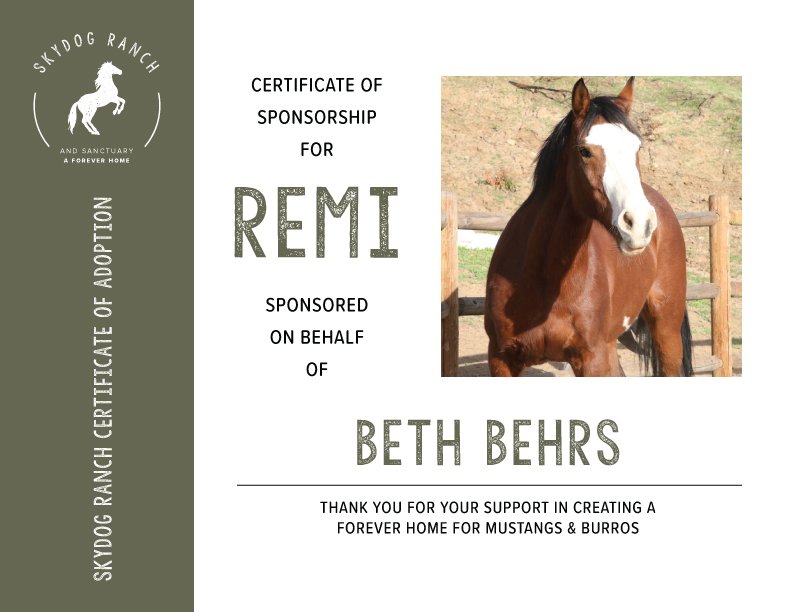
By committing annually to a $100/month sponsorship of a mustang or burro, you help us enormously by supporting our existing rescues so we can continue saving more.
SPONSORSHIP INCLUDES:
A personalized Certificate of Sponsorship with a photo of the horse or donkey you choose and your name.
A 60 minute one-on-one visit to Skydog Ranch to meet the horse or burro you are sponsoring, spend time hanging out with them, take photographs and ask questions of our staff.
If you sponsor more than one horse or burro, you will get one hour with each animal when you visit.
To visit your sponsored equine, you must be a sponsor for at least 9 months. Anyone who wants to see them sooner will have to pay for 9 months ($900) in advance of their visit. We regret that this has become necessary. We need to discourage those sponsoring for one month in order to visit the ranch, then canceling because they don’t actually care about supporting the animals or our work. These tours take up a lot of time from our staff and the important work they do caring for our rescues.

Choosing a Mustang or Burro to Sponsor
You can search for posts about individuals on Instagram or Facebook with a hashtag that combines the word “skydog” with their name (#skydogzebedee #skydognugget). You can also go to the Then & Now page on the website to see their photos and read their biographies. (Note: their pages are currently being updated.)
Sponsor a SKYDOG on Patreon
A great way to sponsor a Skydog is by becoming a patron on Patreon and signing up for the $100/month Lead Mare level. This automatically makes you a sponsor and gives you access to exclusive content that we don’t post on other social media platforms. Each new episode of the Horse Love Podcast is released there, as are special offers on merchandise, and breaking news.
Skydogs who need sponsors
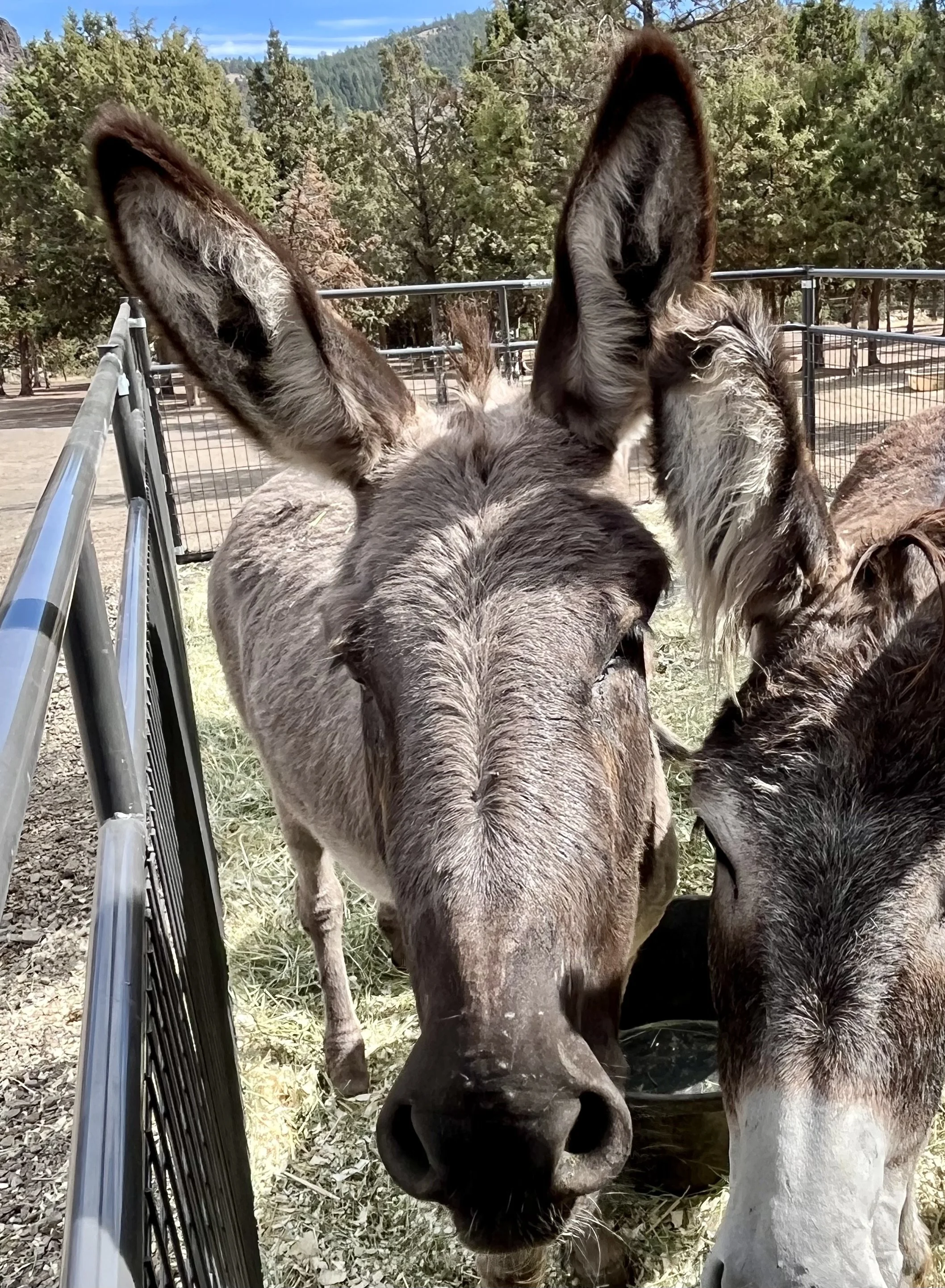
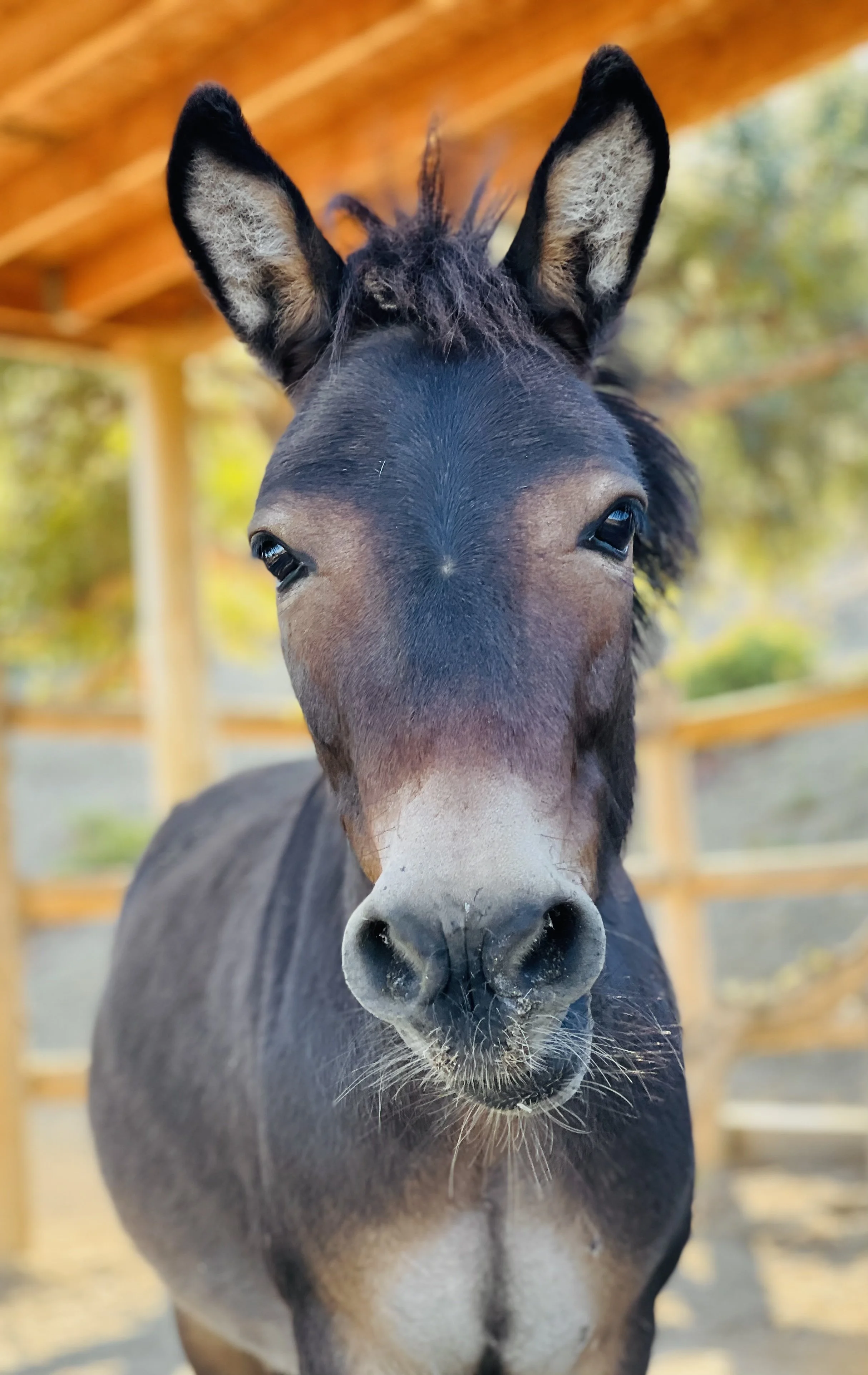
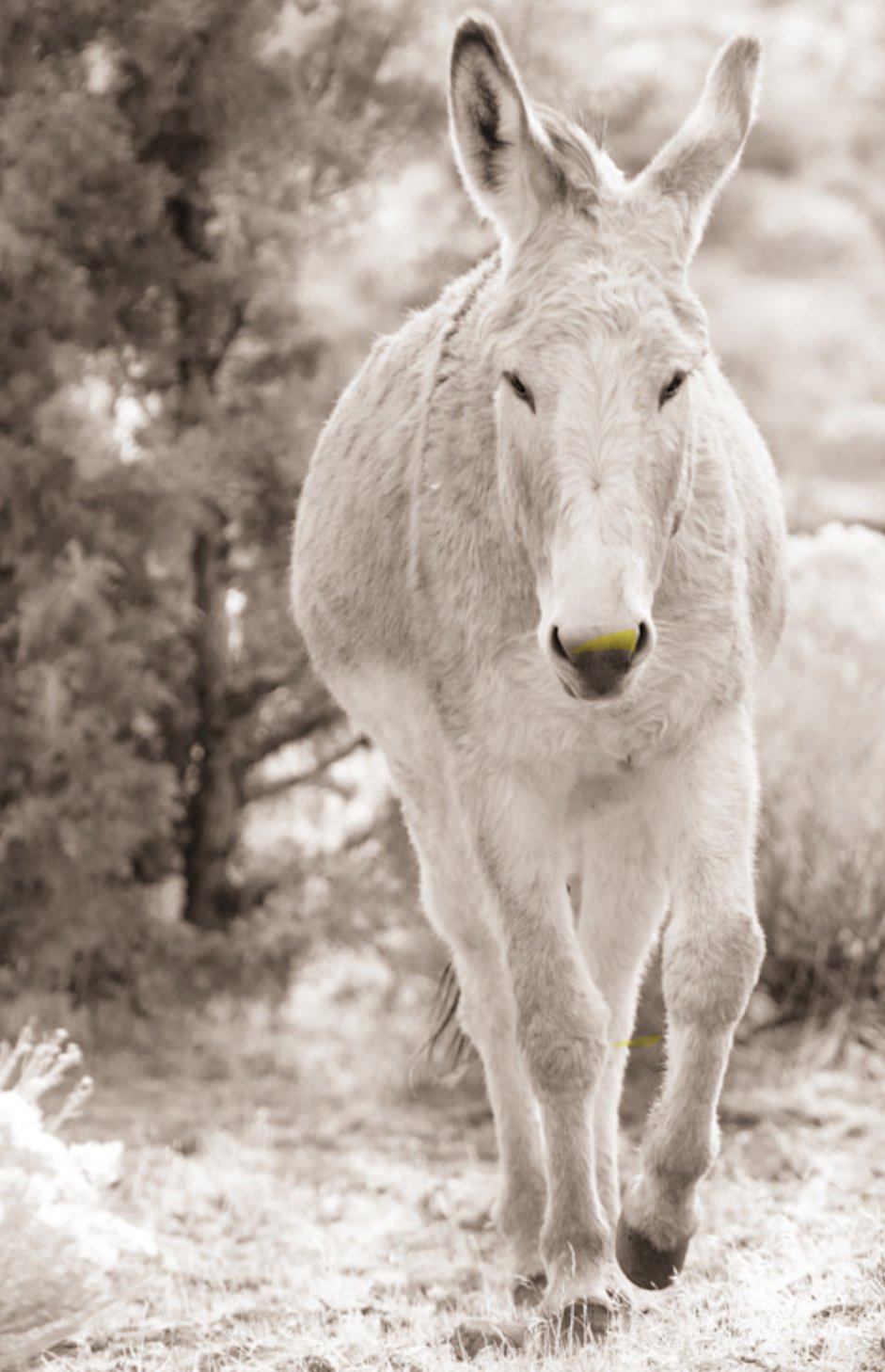
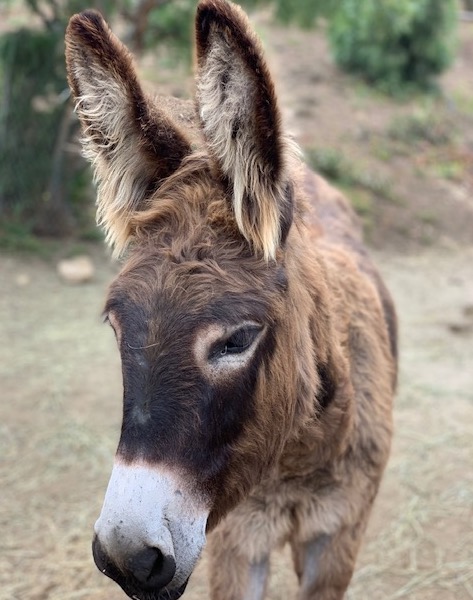
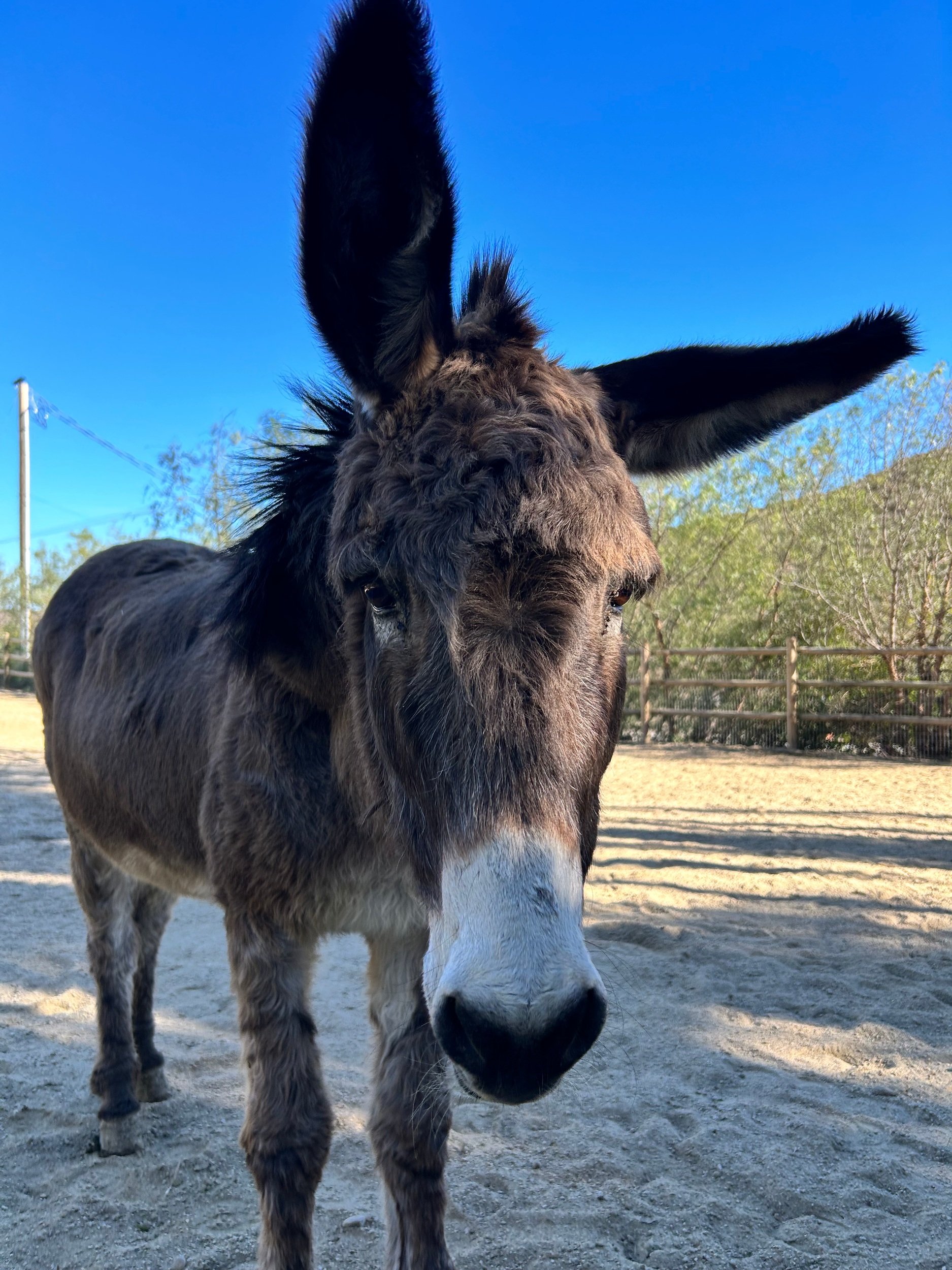
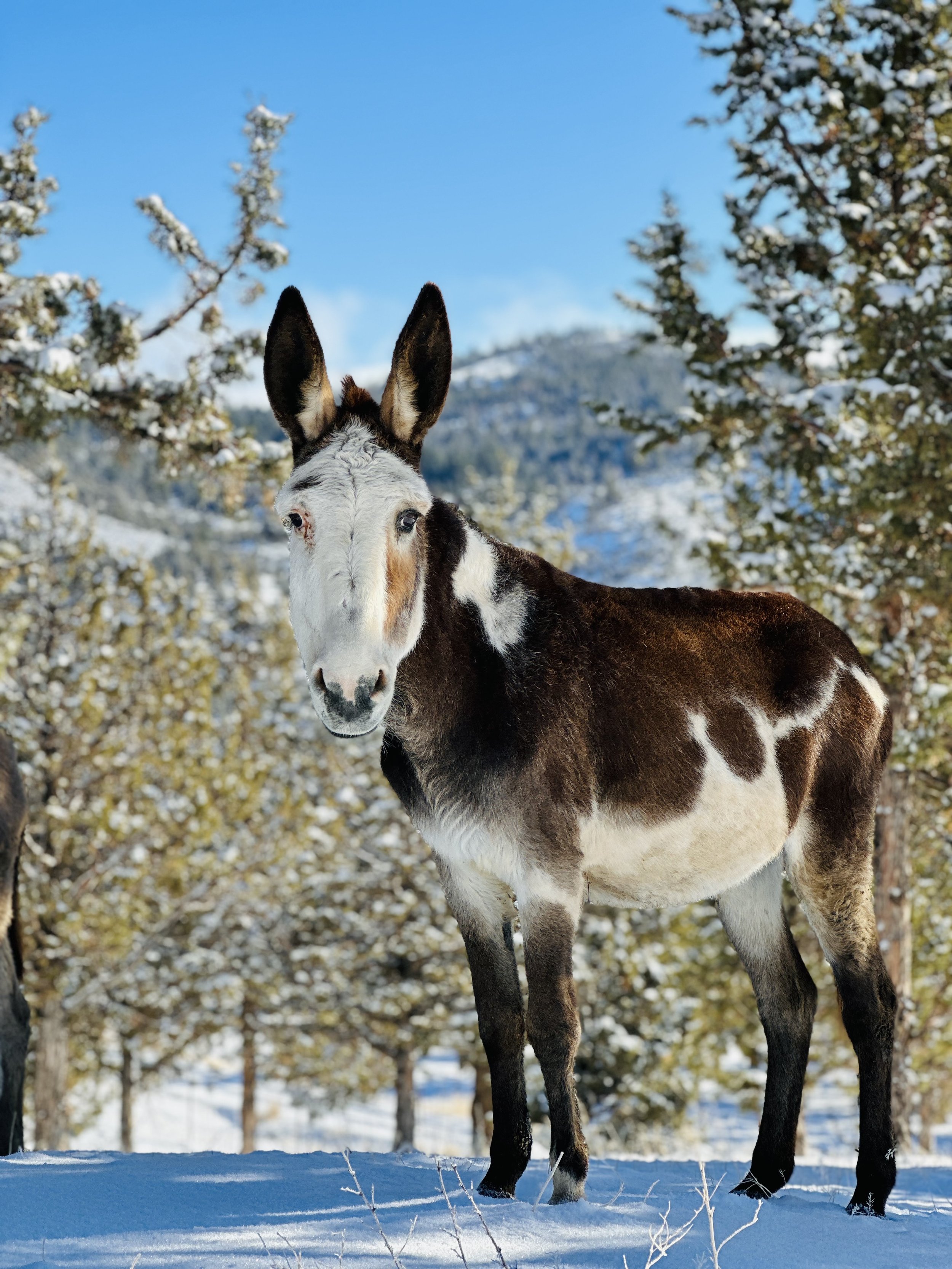
Comet
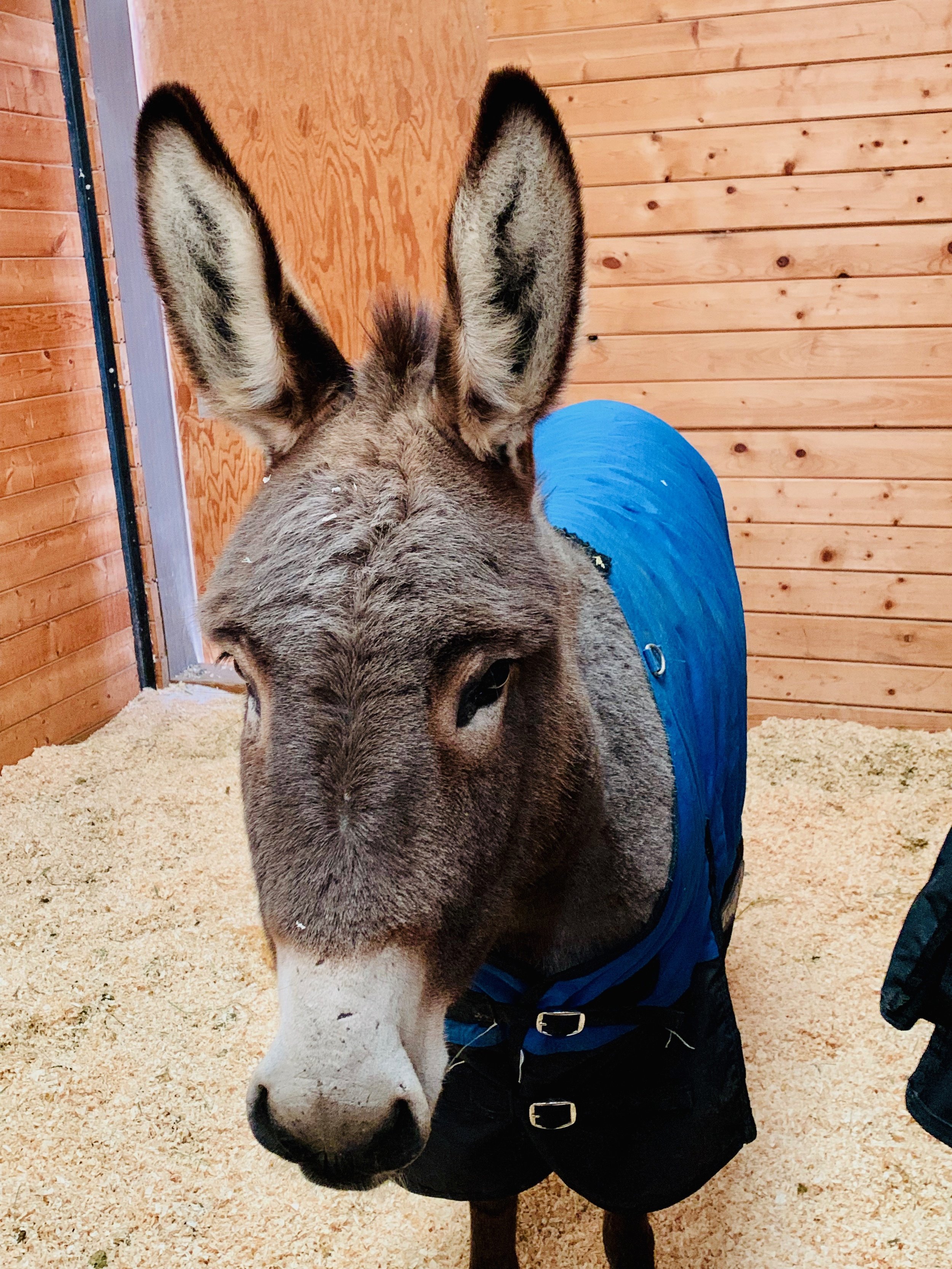
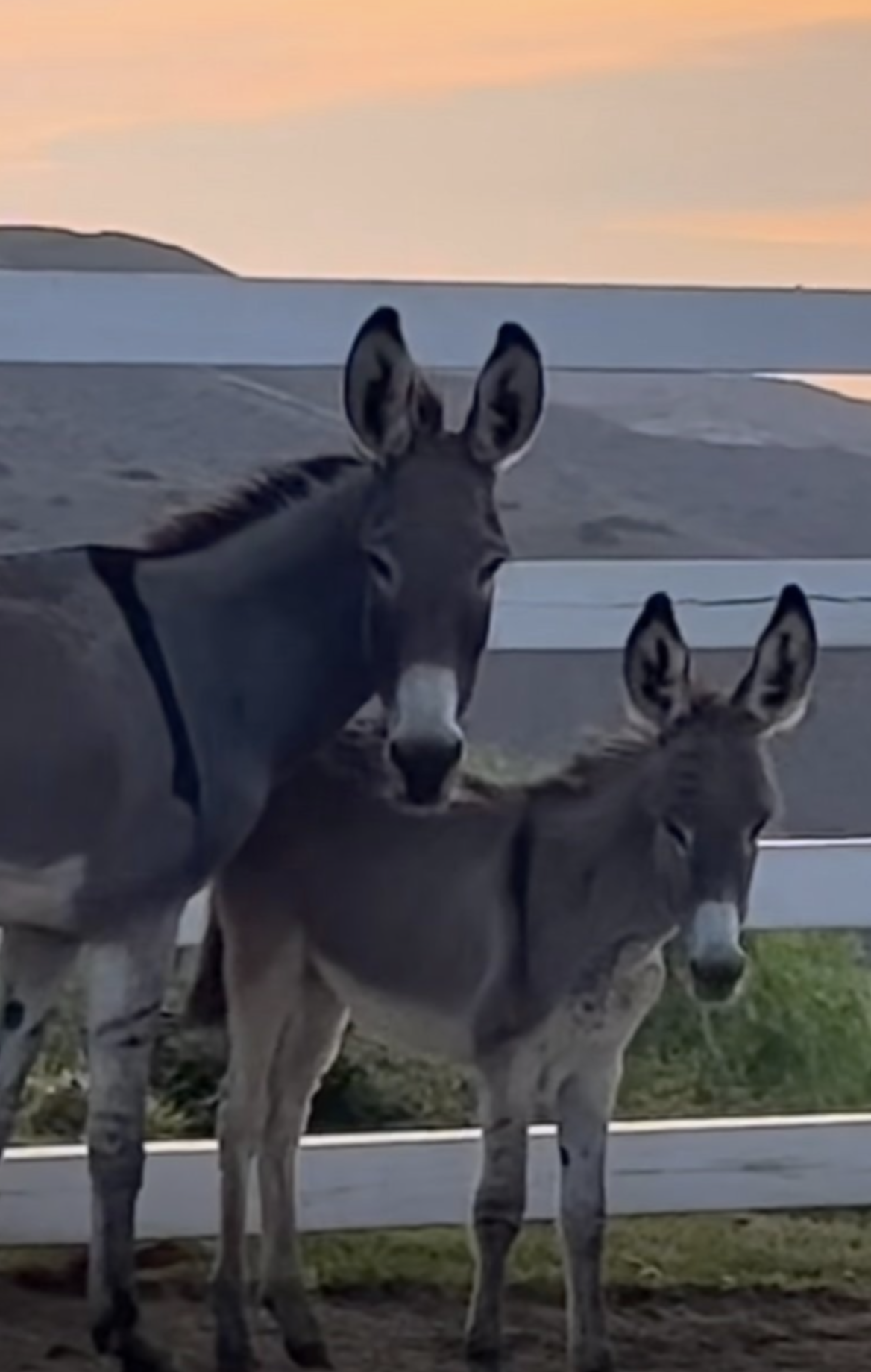
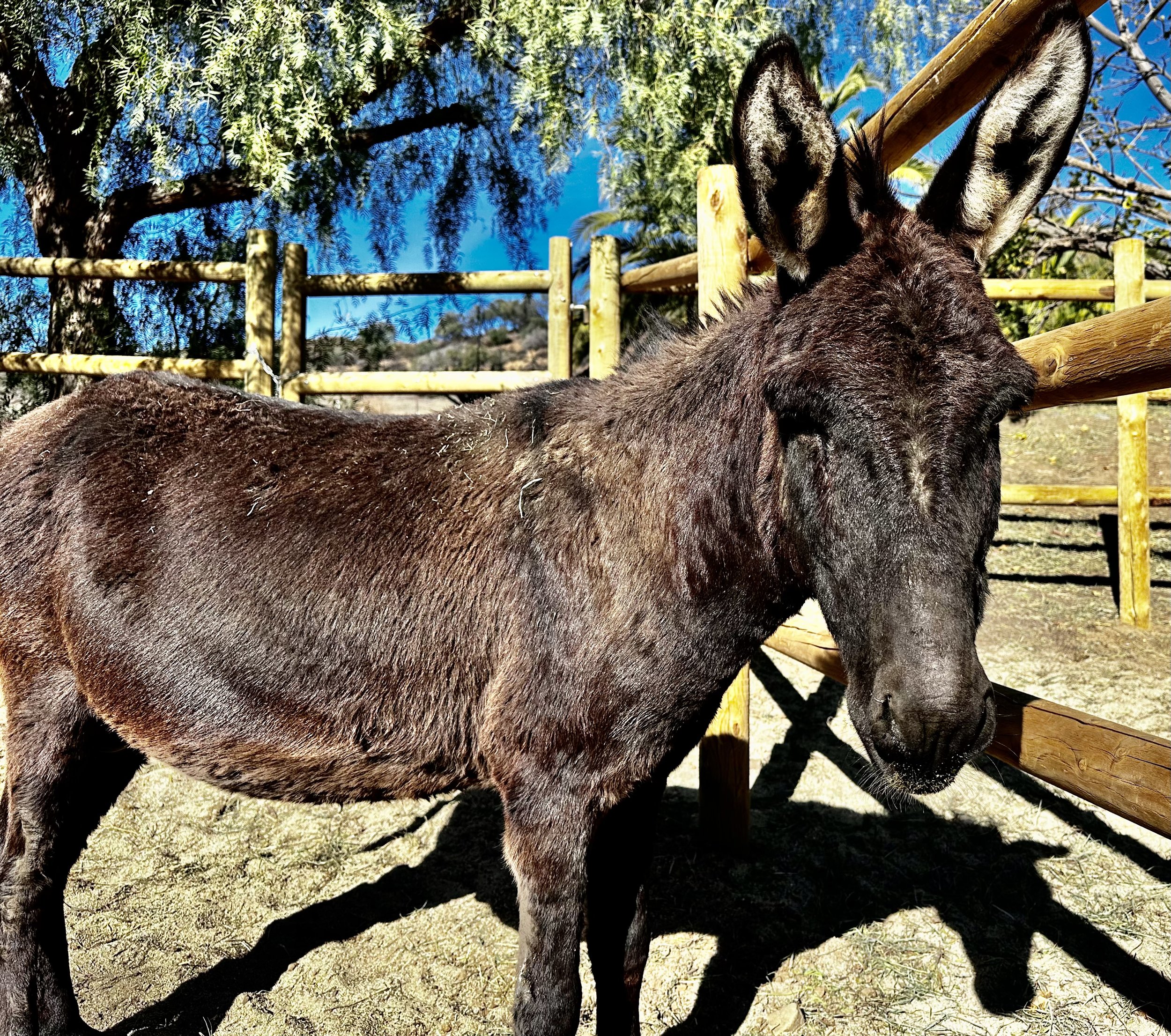
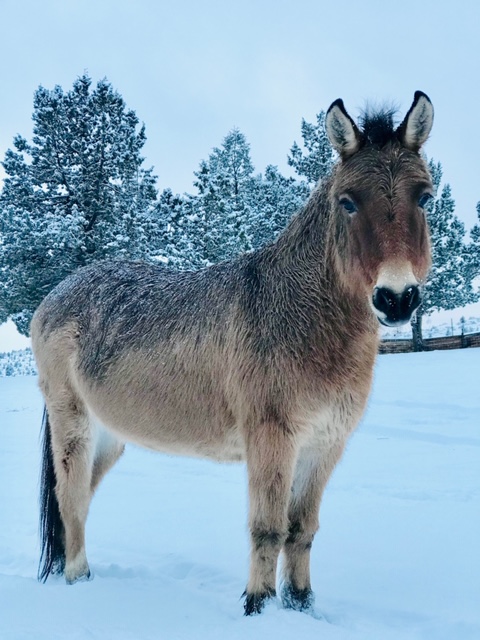
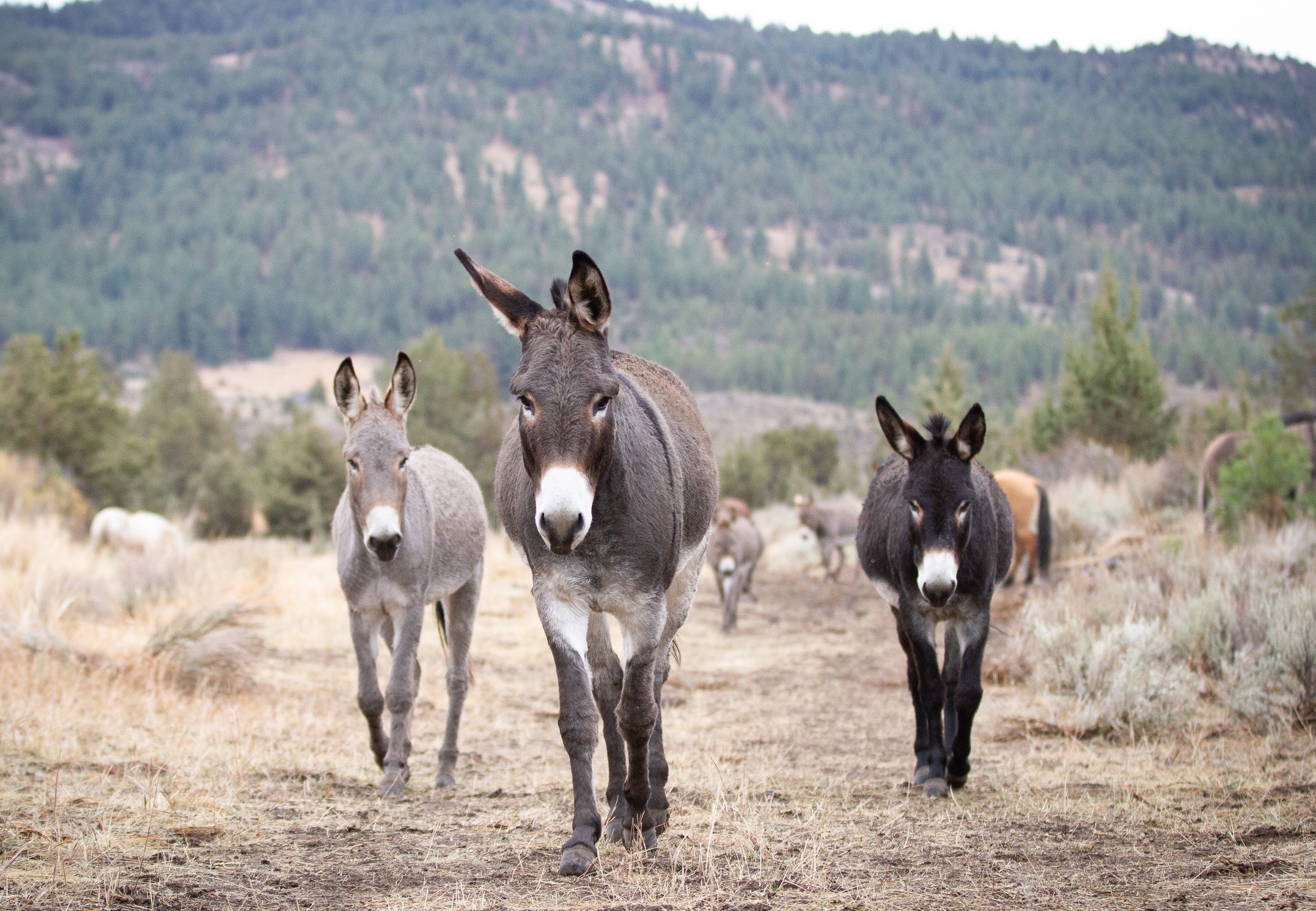
We found beautiful Comet among a group of burros in a kill pen. She was one of the older children left behind when her pregnant mother was bought by someone else. In the wild, burro mamas bond so deeply with their offspring, they usually spend the rest of their lives together. Separation is a terrible thing to do to them. Our first "no light points" burro, Comet’s face is completely dark. In folklore, dark-nosed or dark-faced donkeys were traditionally called Sweeps' or Smugglers' Donkeys. The absence of white facial markings made them much harder to spot in the dark by authorities or customs men. Like the celestial body she’s named for, she kicks up a tail of dust as she speeds toward the sun. Rescued with Sunbeam - who delivered her baby, Moonbeam, as soon as she felt safe in quarantine - Comet fell right in to being a good Auntie. She was the first to step off the trailer when she arrived in Oregon, leading the way for mother and foal. We chose names of light that brighten the darkness for all three. More about Comet
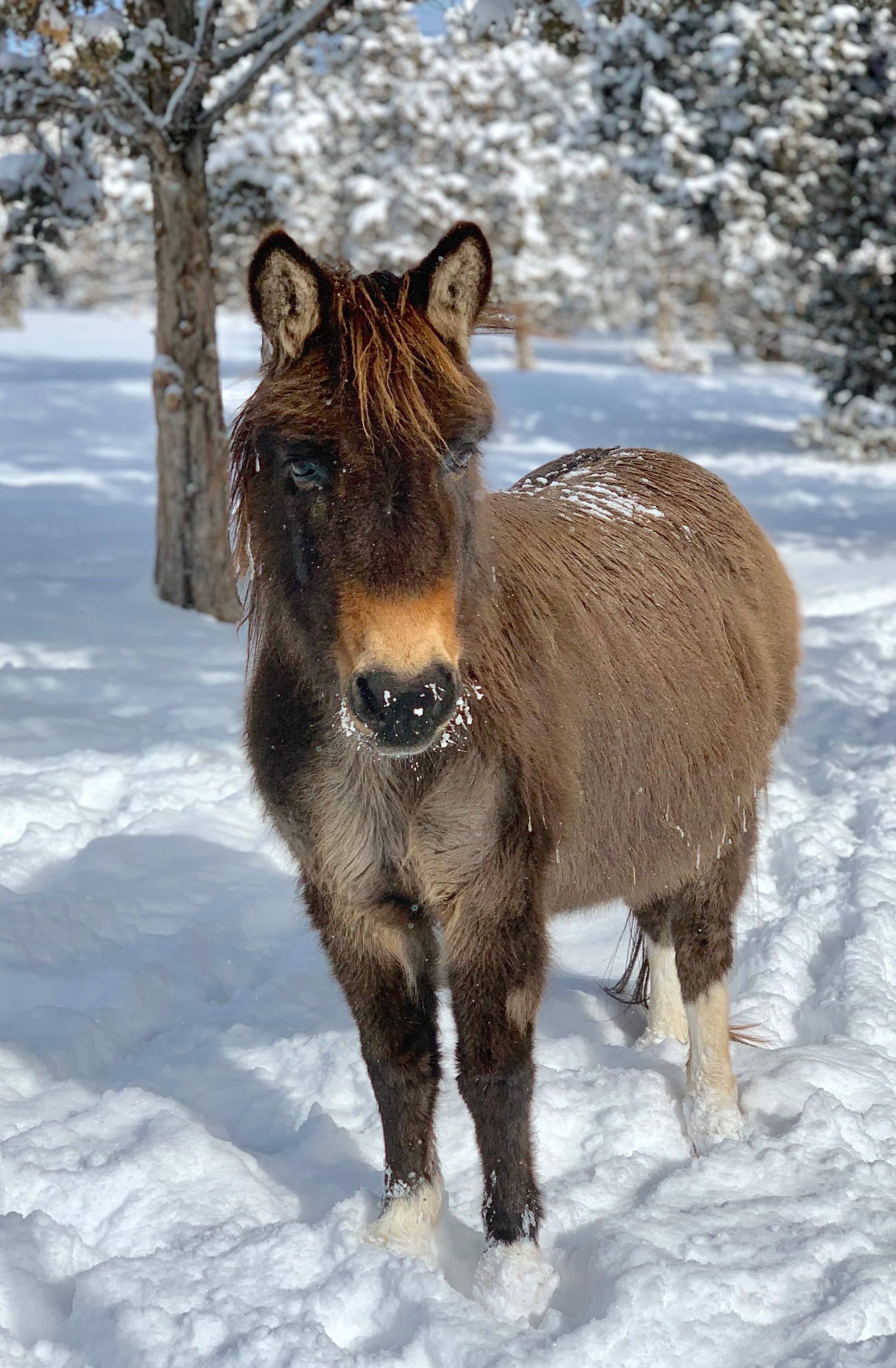
Frost
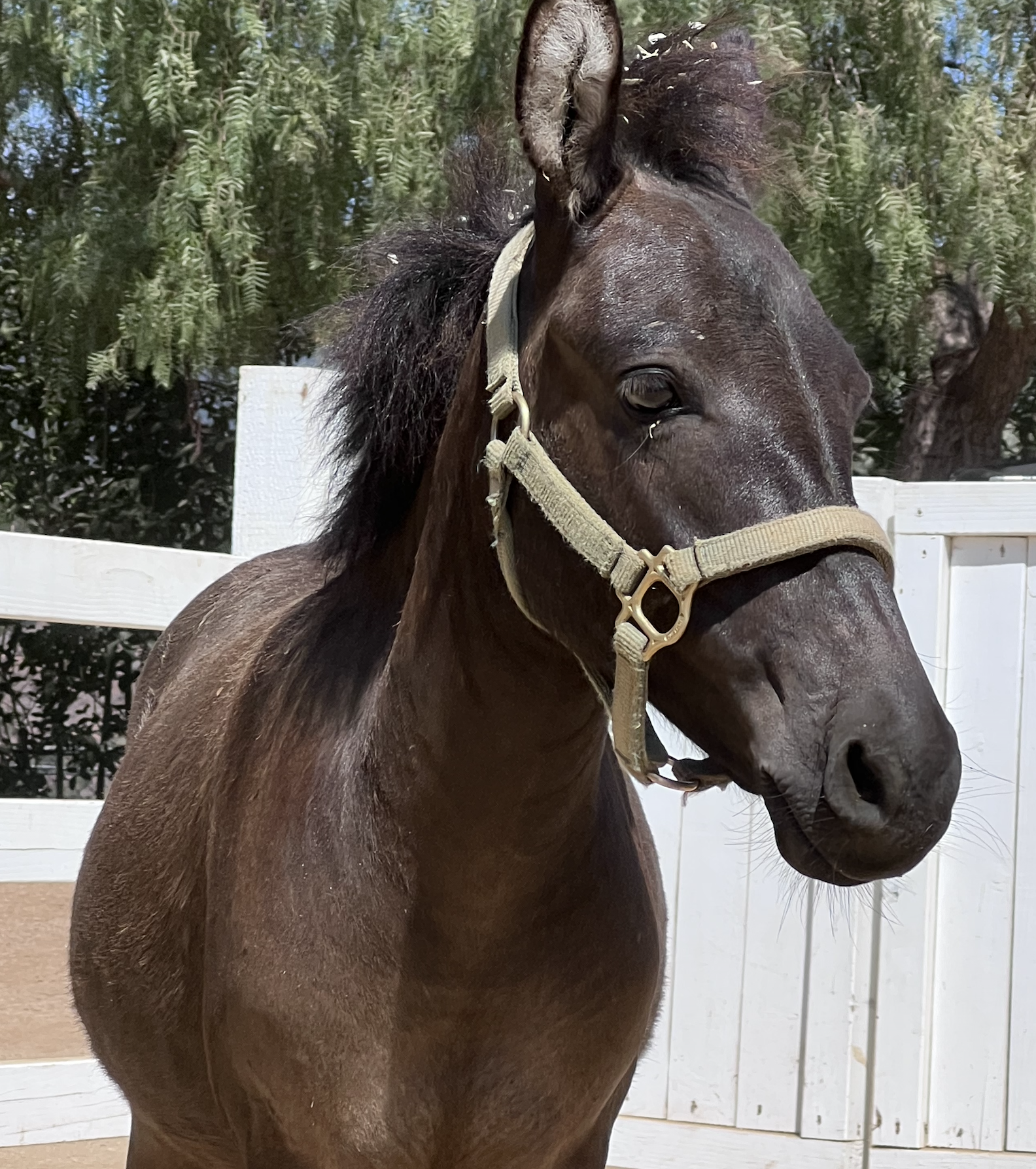
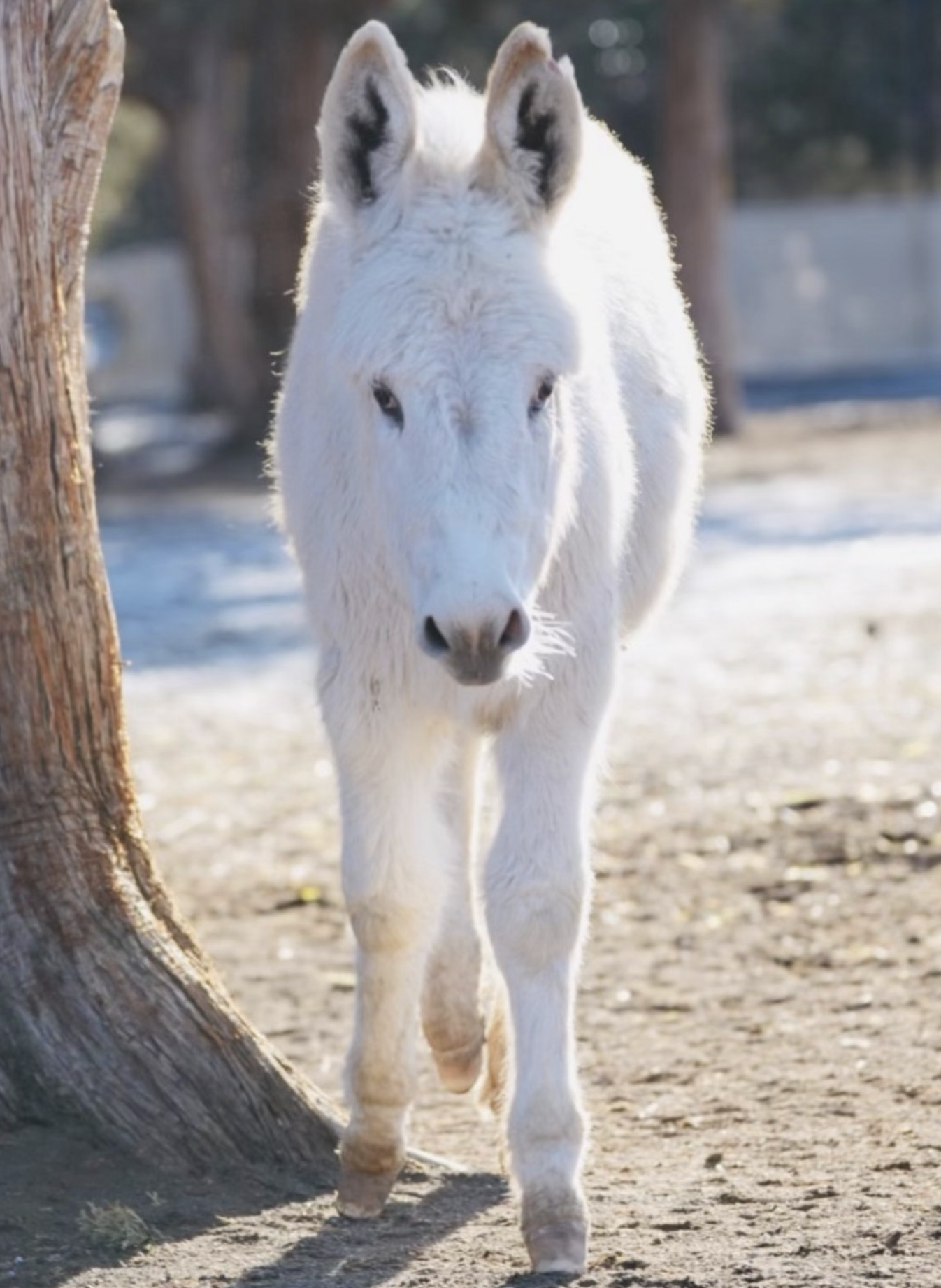
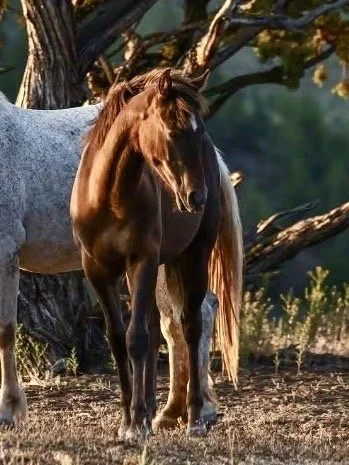
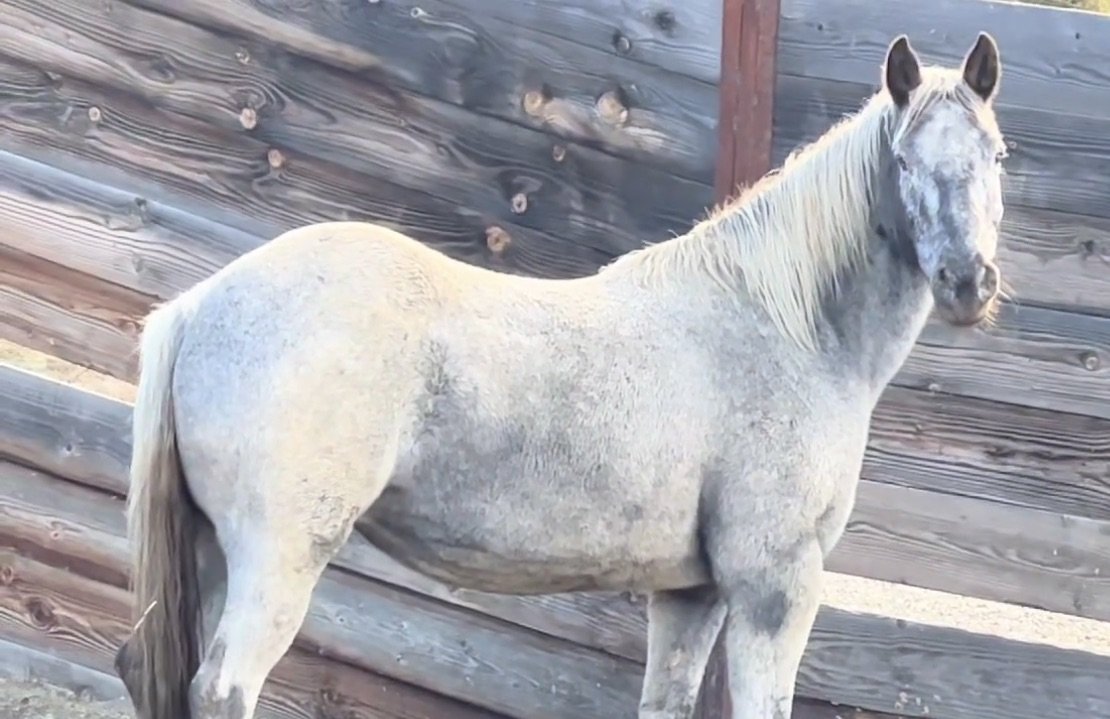
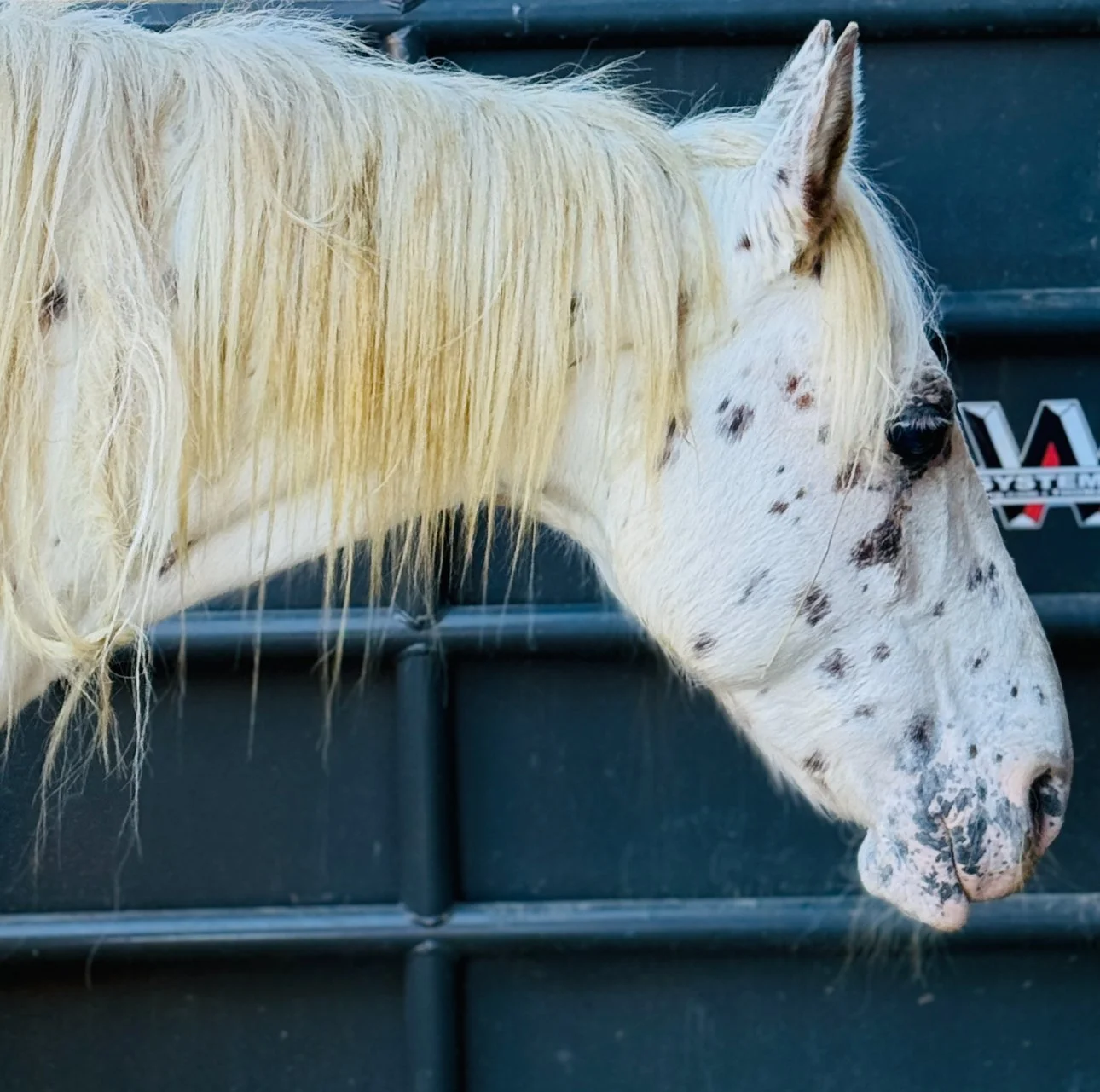
In the wee hours of August 3, 2024, a beautiful, healthy colt with long legs and a two-toned tail was born. His mother, Snow, was pregnant when we saved her from a kill pen with two other mares, whom the AIP adopter claimed to have bred with an Appaloosa stallion. Had we not stepped in, his life might have ended before it began, but the three mares, and the babies two of them were carrying, landed safely at Skydog. Frost arrived in the heat of the summer and wildfire season, but our followers felt only a wintry name would do for the son of Snow. Cautious and observant, he took his lead from his very wild mama and Auntie Cheyenne. He received lots of over-the-fence doting from Aunties Violet and Rosa before graduating to the baby pen where Marcie Marshmallow, Forest, Shasta, and Blossom taught him how to stretch those long legs in games of tag and races. When they were turned out, Frost was introduced to the pond, where he watched wide-eyed as the mares showed him how to roll in the water. Then he followed the herd through a field of lupines to explore this big and beautiful, new world. Could anyone have a sweeter start in life than Frost? More about Frost
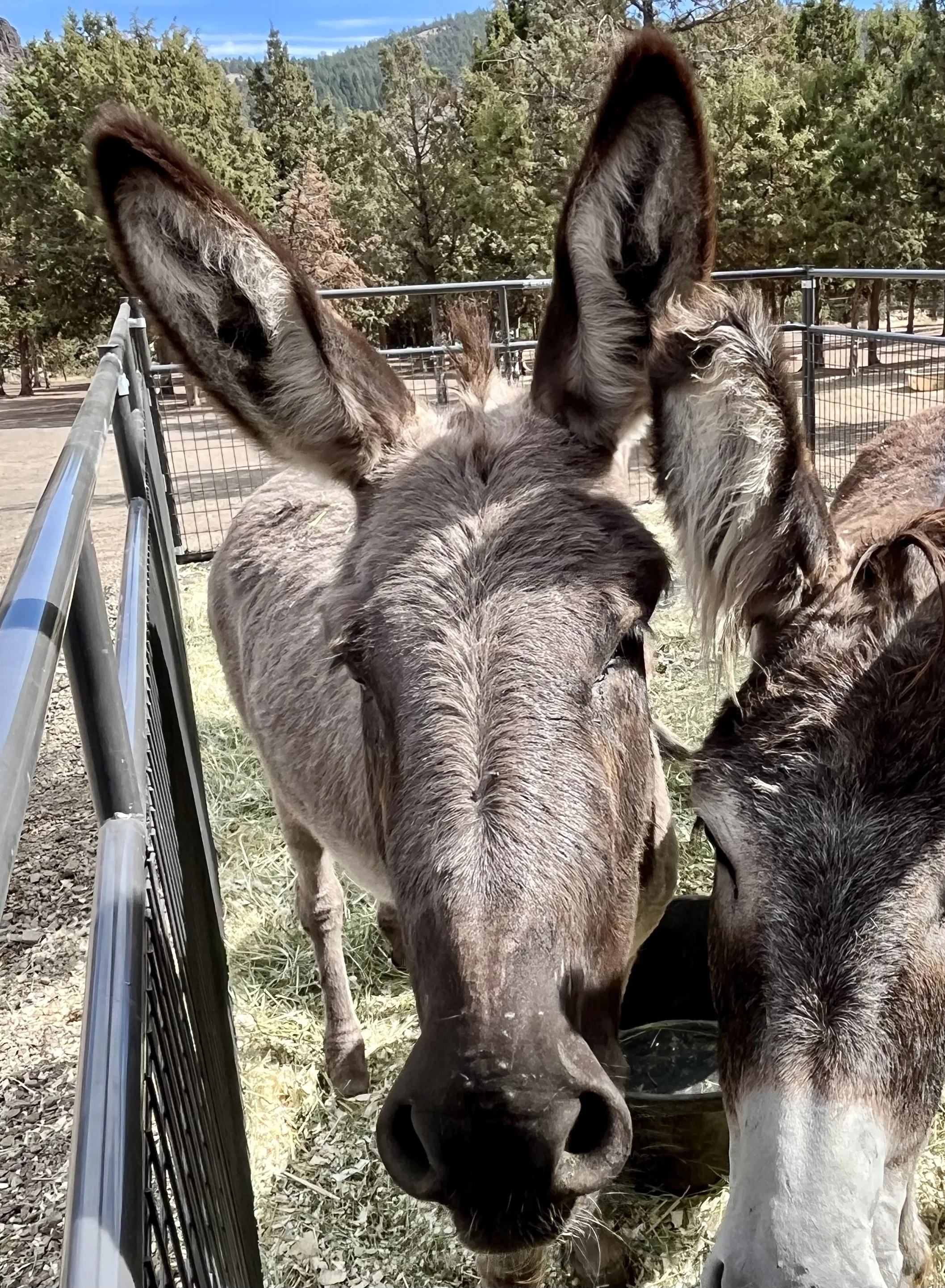
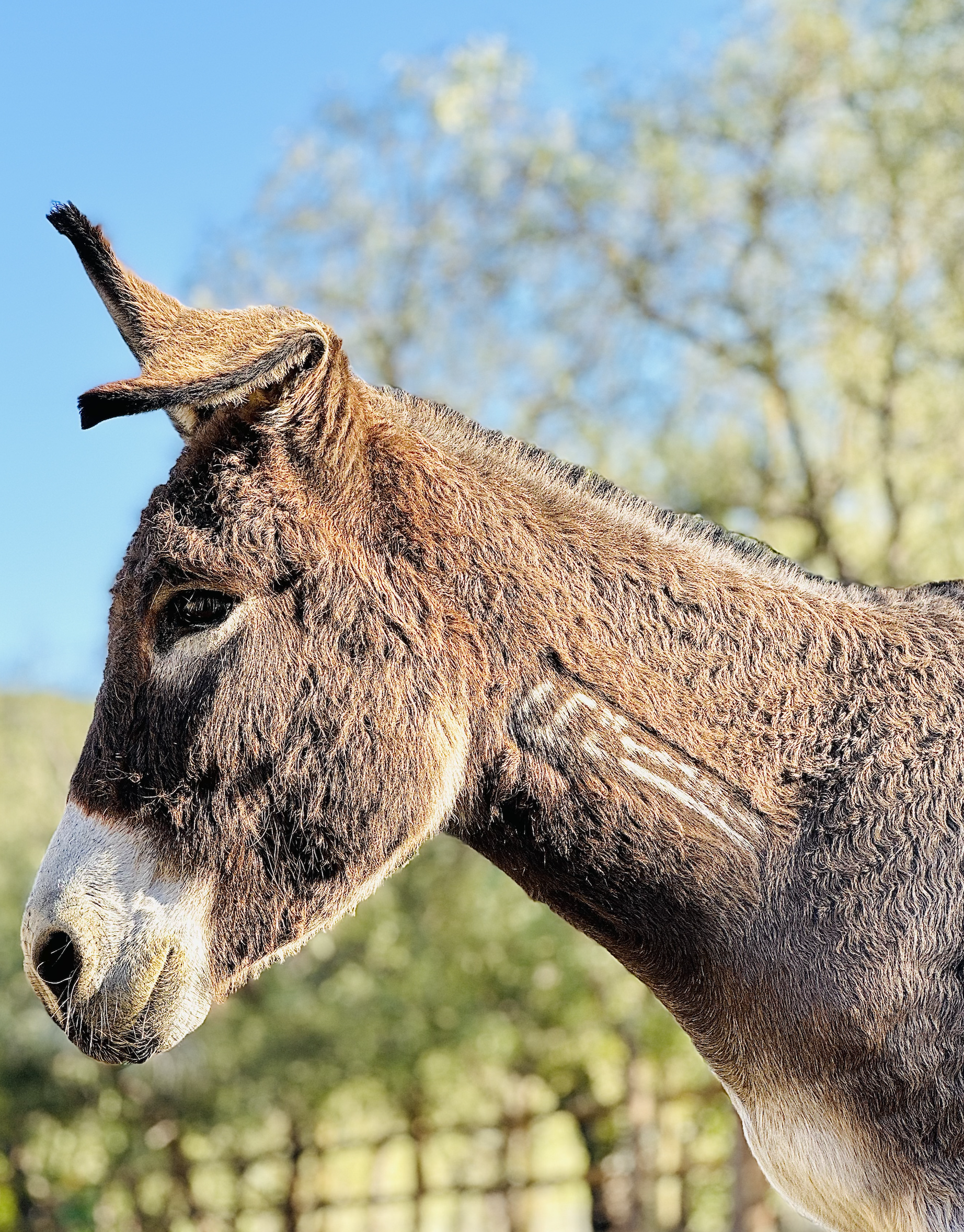
Bumblebee
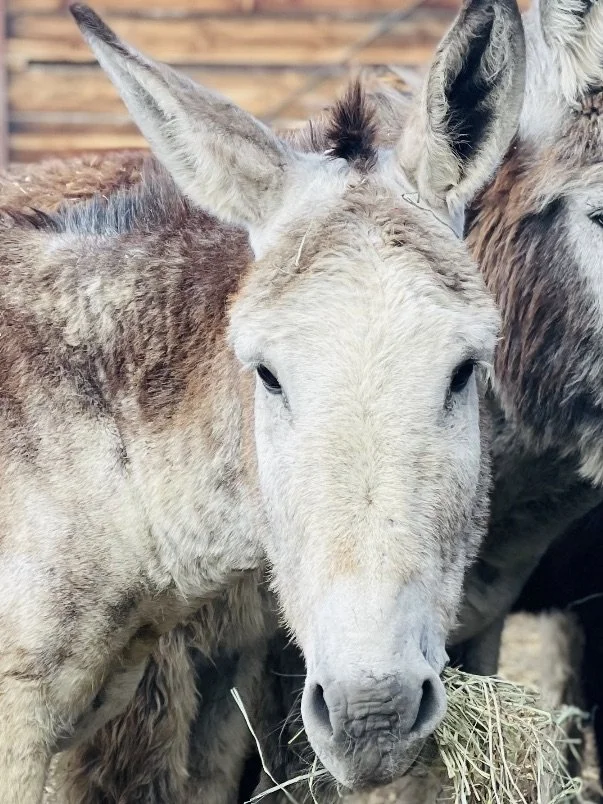
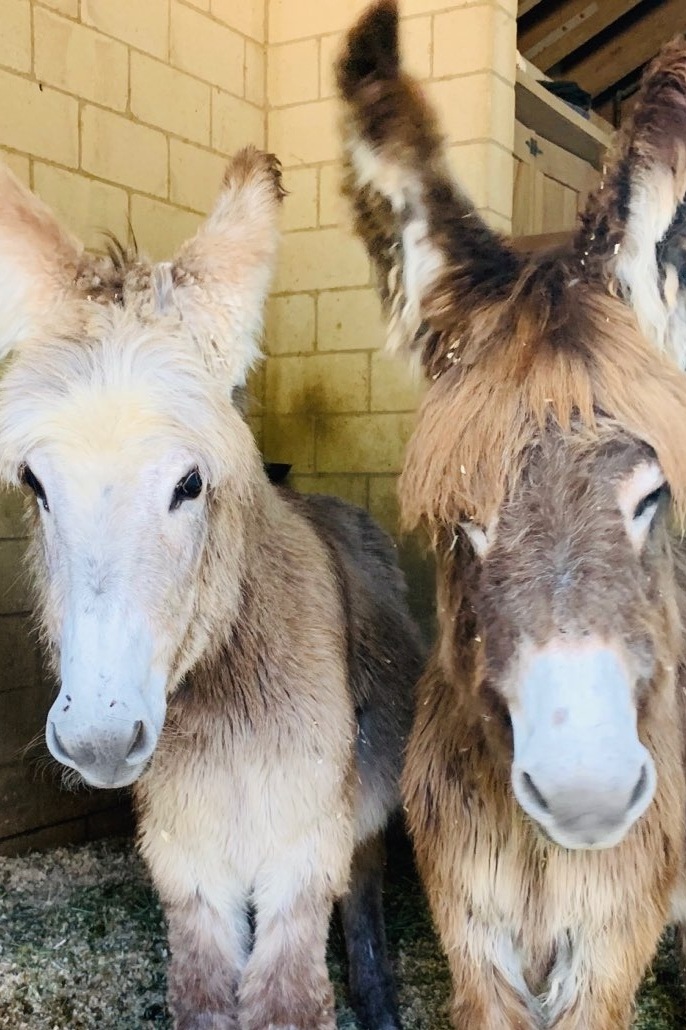
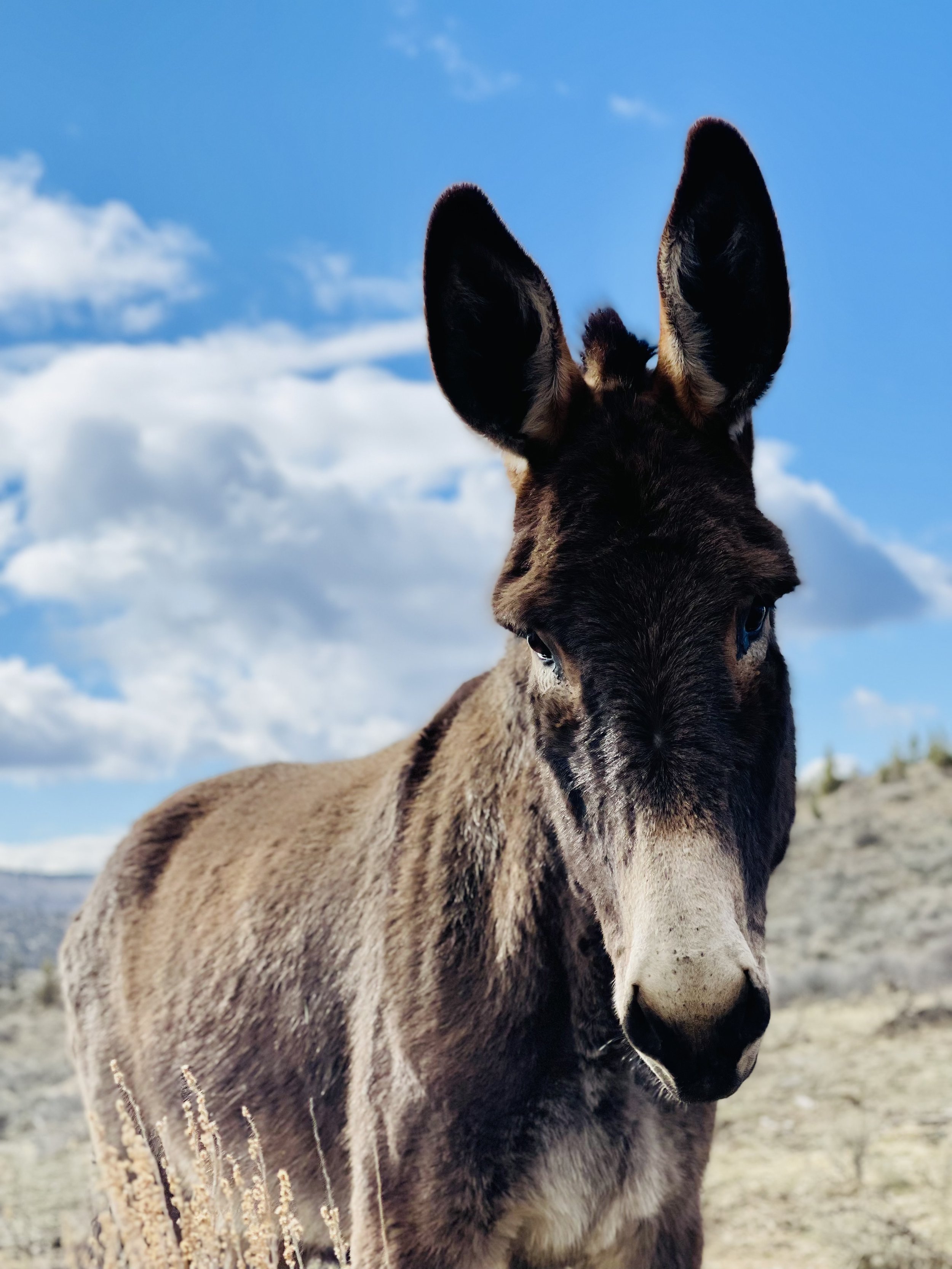
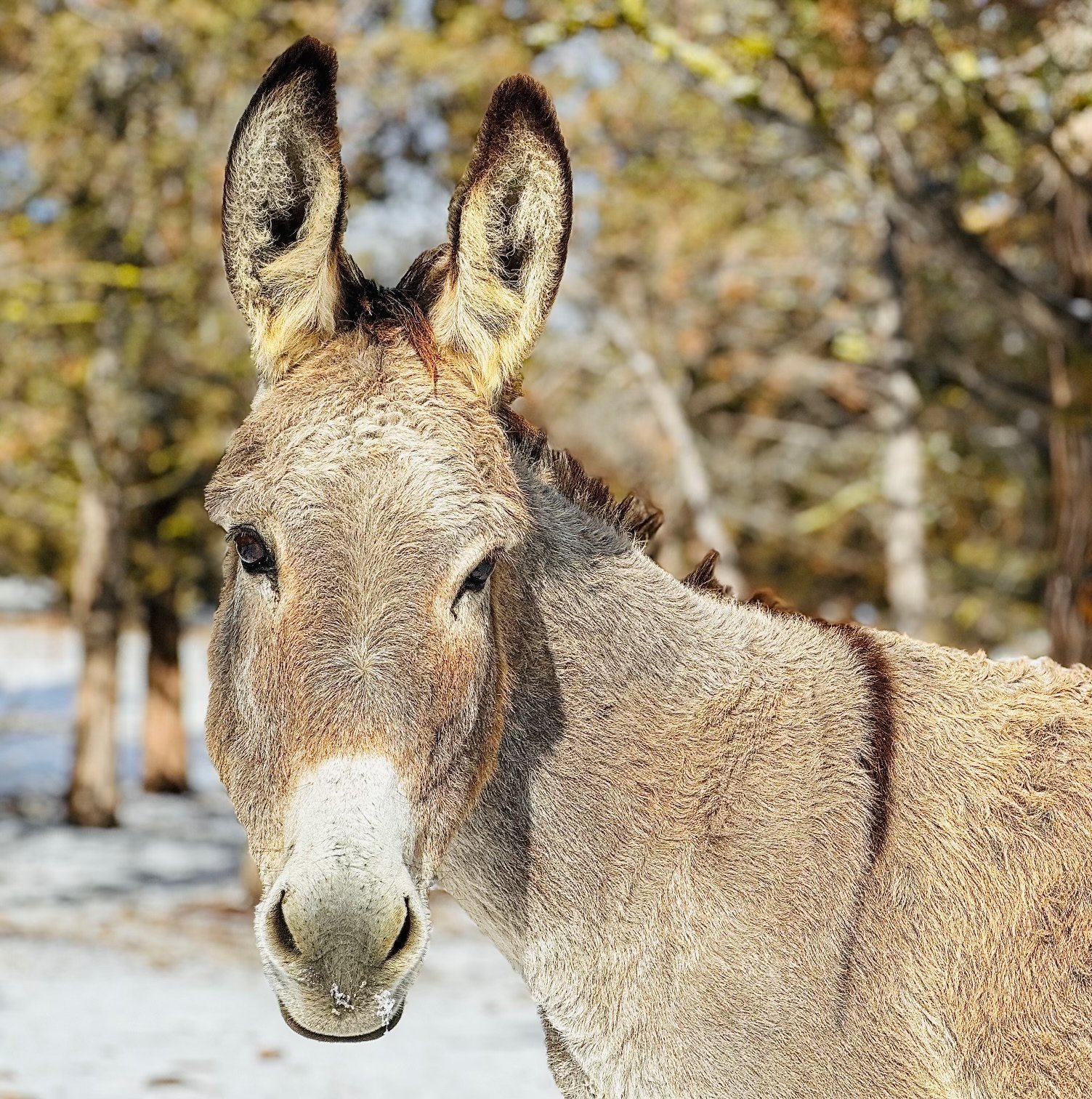
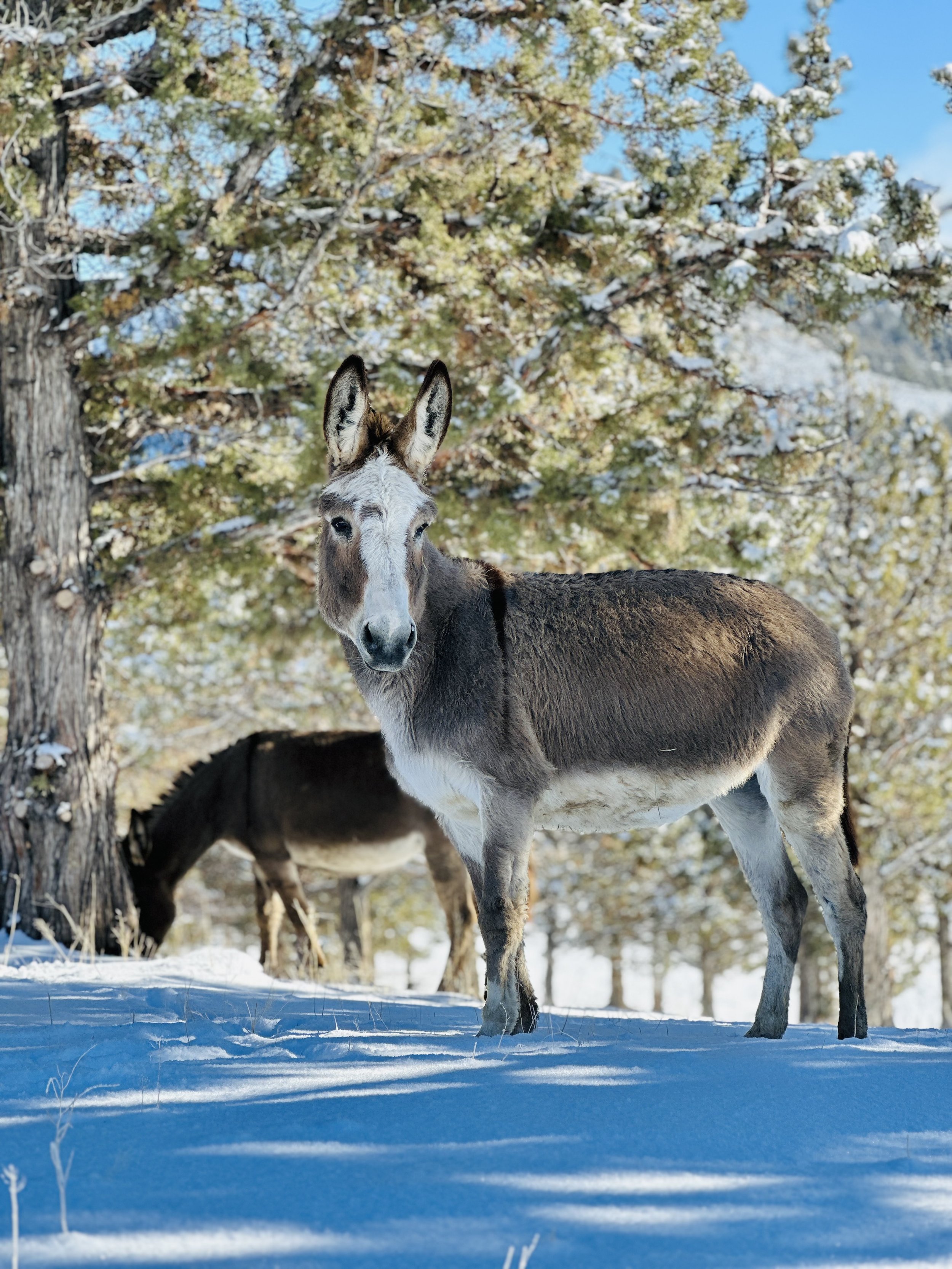
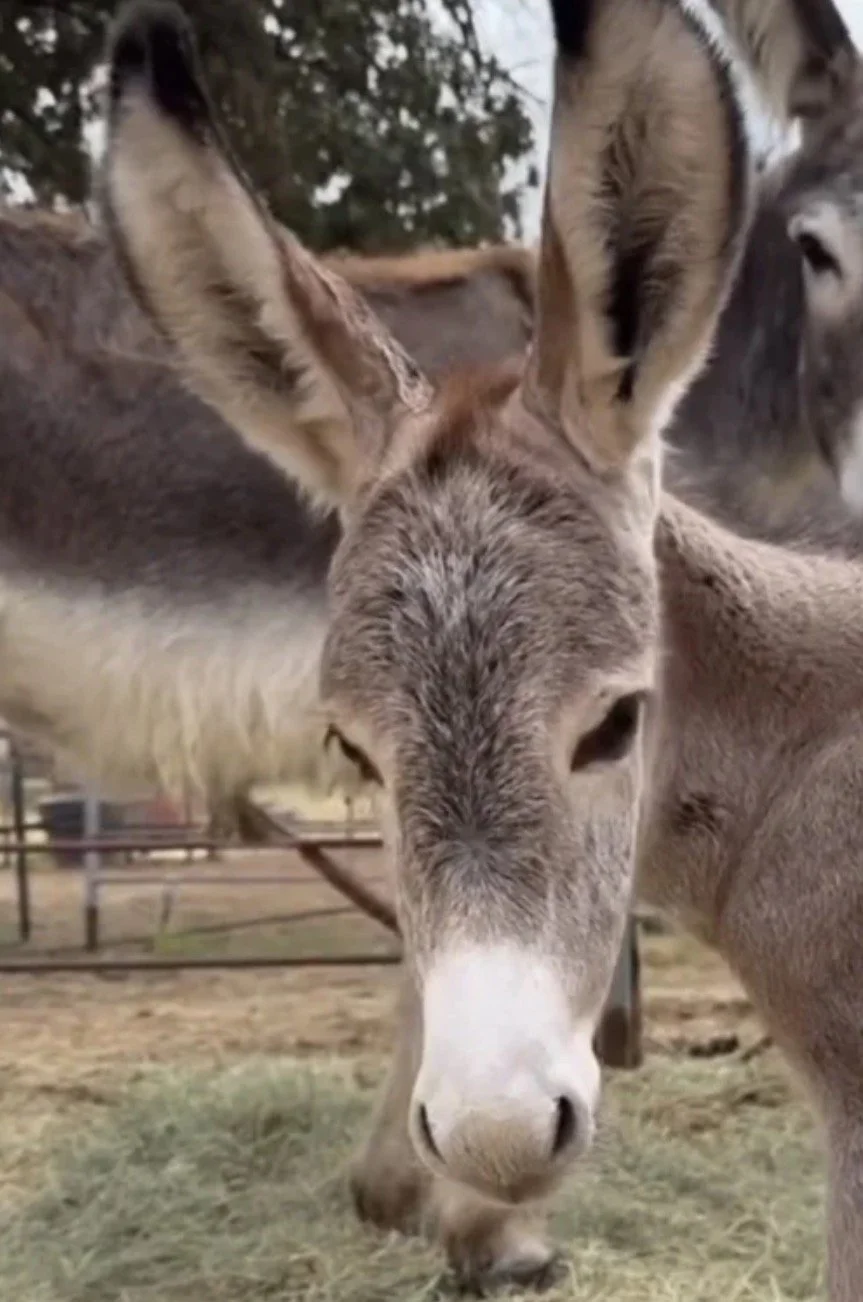
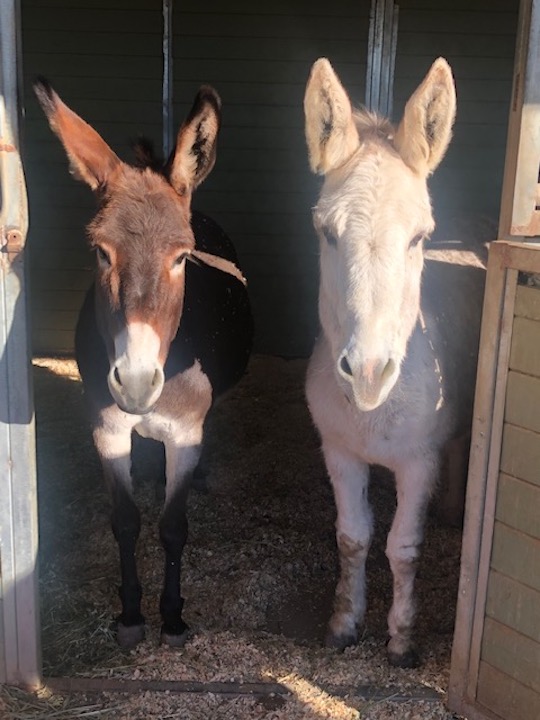
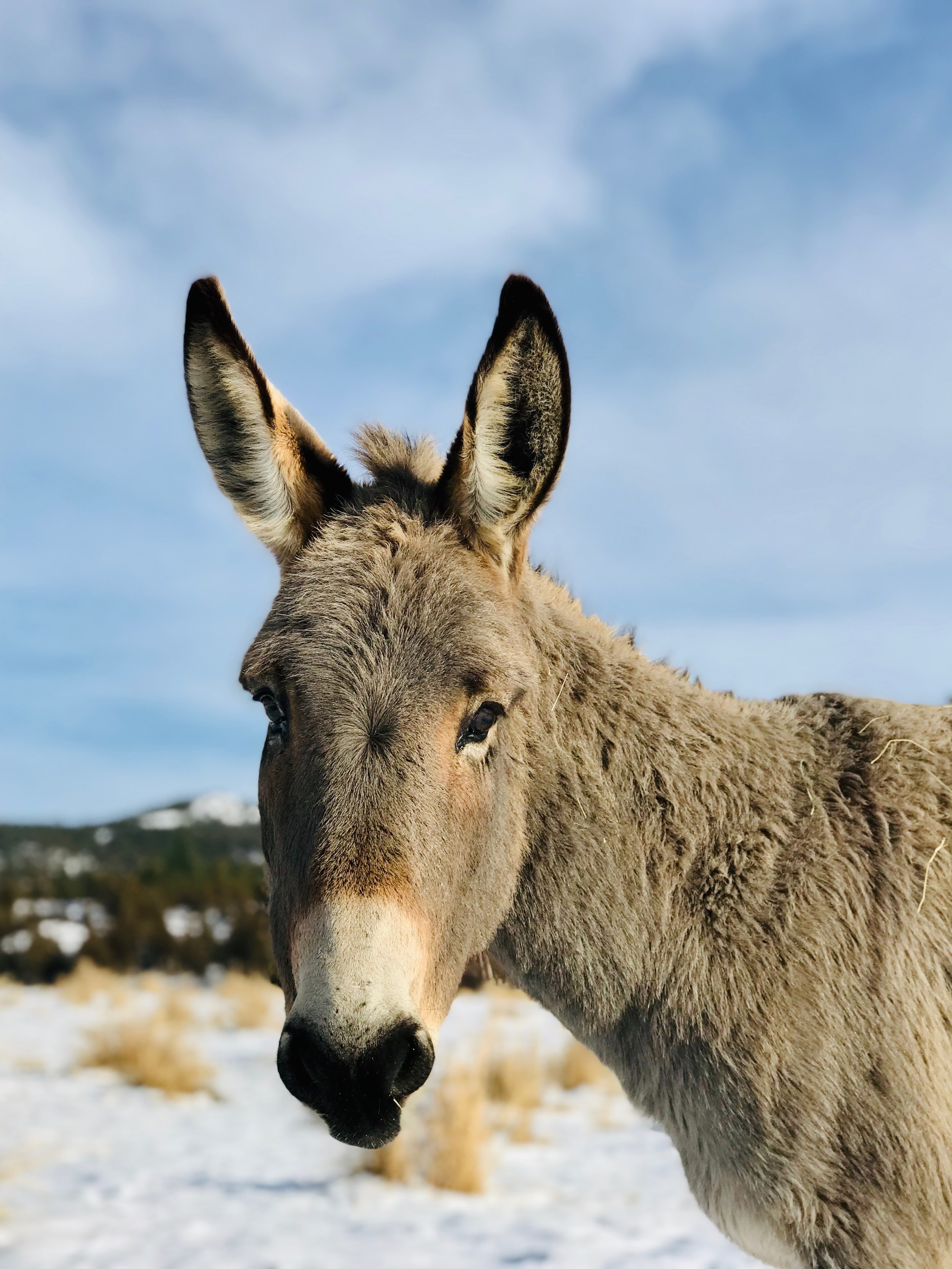
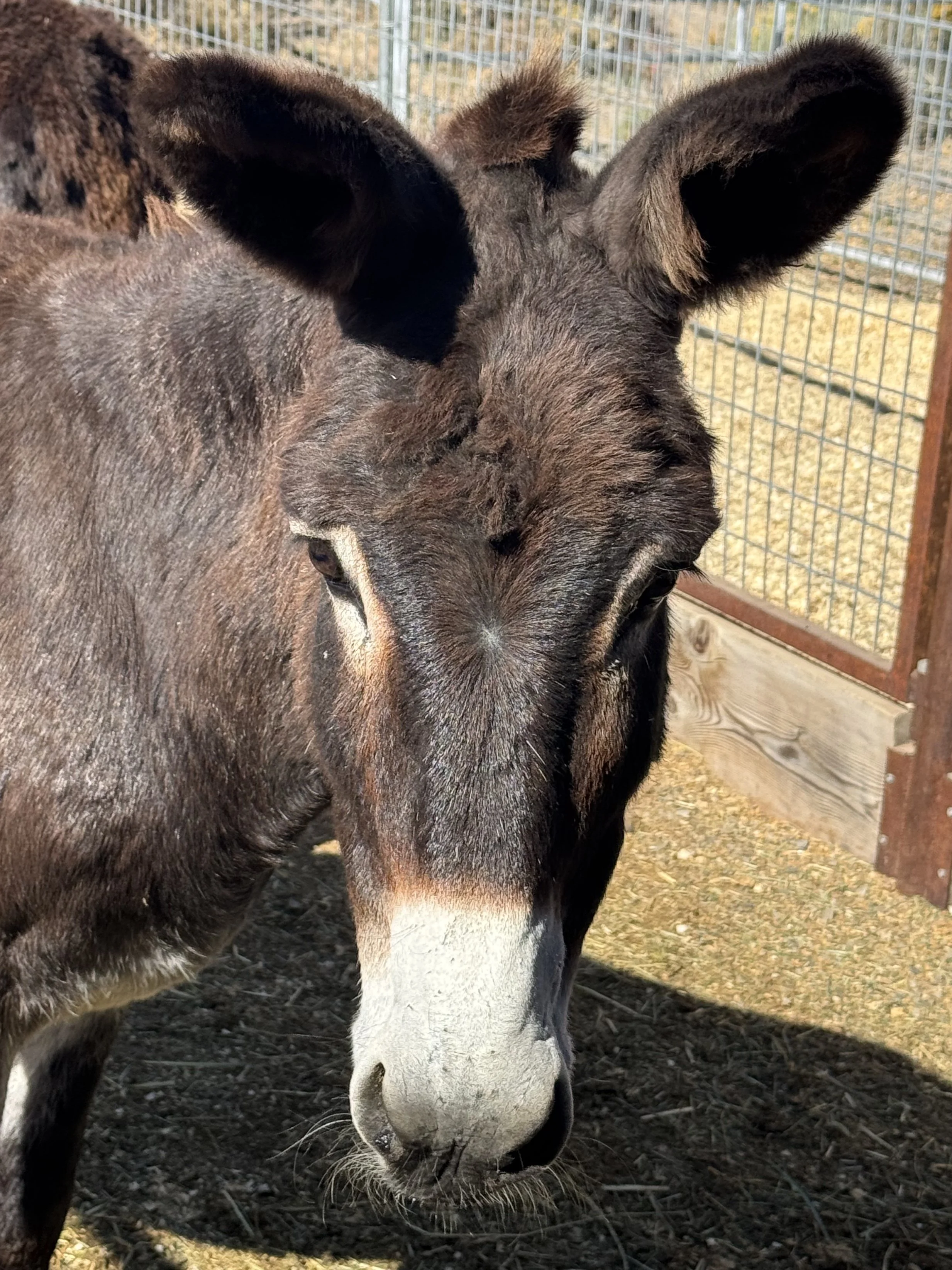
This sweet, old burro has a distinctive pair of ears. Rather than going up to a point, they are rounded and look adorably like bumblebee wings. After the NYT exposed the BLM’s use of sale authority to send mustangs to slaughter, we wanted to save some more burros as a reminder that the same thing is happening to donkeys - with additional fuel thrown on the fire sale by the ejiao trade. We noticed there were two senior burros, ages 18 and 20, in a kill pen. They had been there a very long time, but no one had stepped up to help them. Frail and thin, they were way too old to have been put through all this. We named them Bess and Bumblebee - “Bee”. They are very bonded and comfort one another, so Bee went to the barn when Bess needed treatment for asthma. Bee is doing really well, put on weight, and has gentled down a lot - as usually happens when these sensitive, intelligent beings know they no longer have to defend themselves against the unkindness of humans. More on Bumblebee
RESCUED MUSTANGS
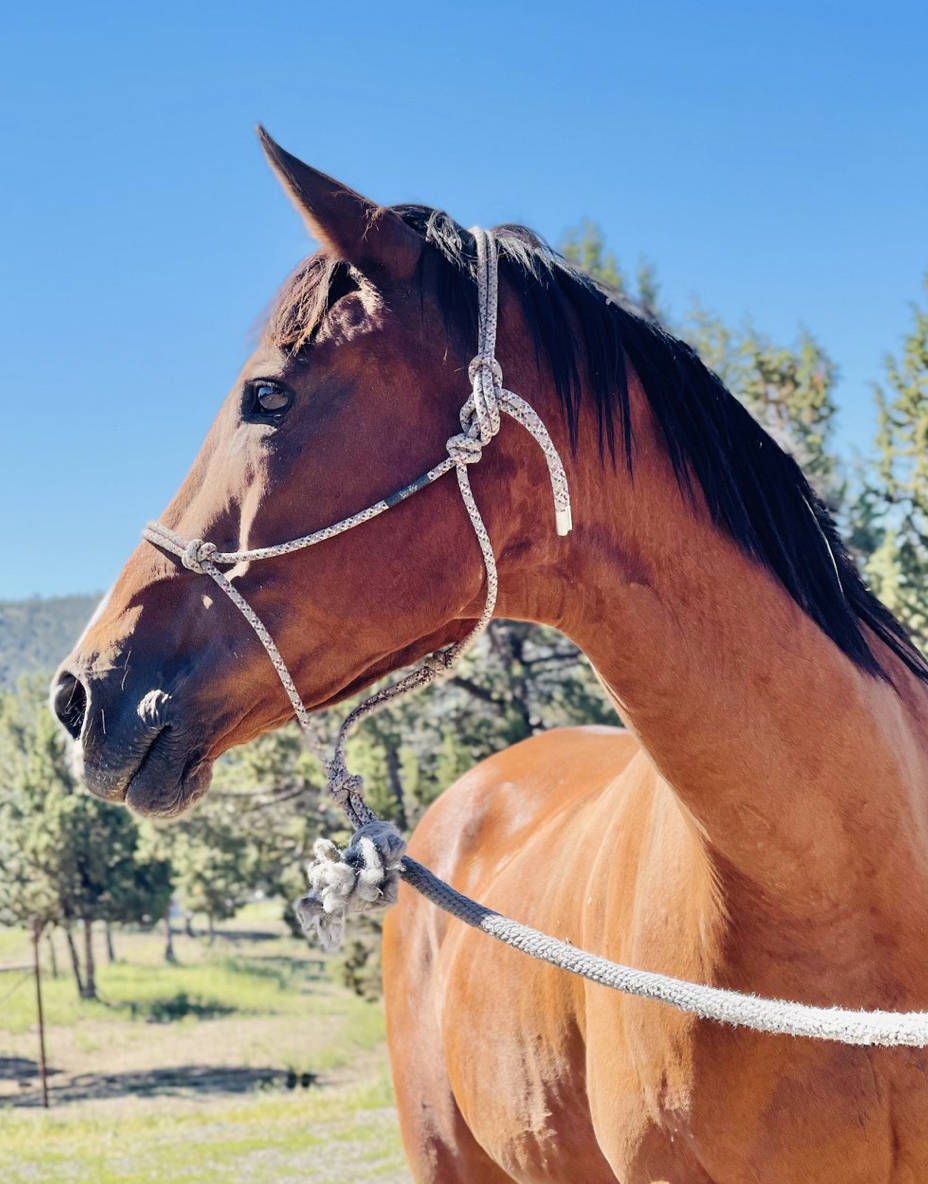
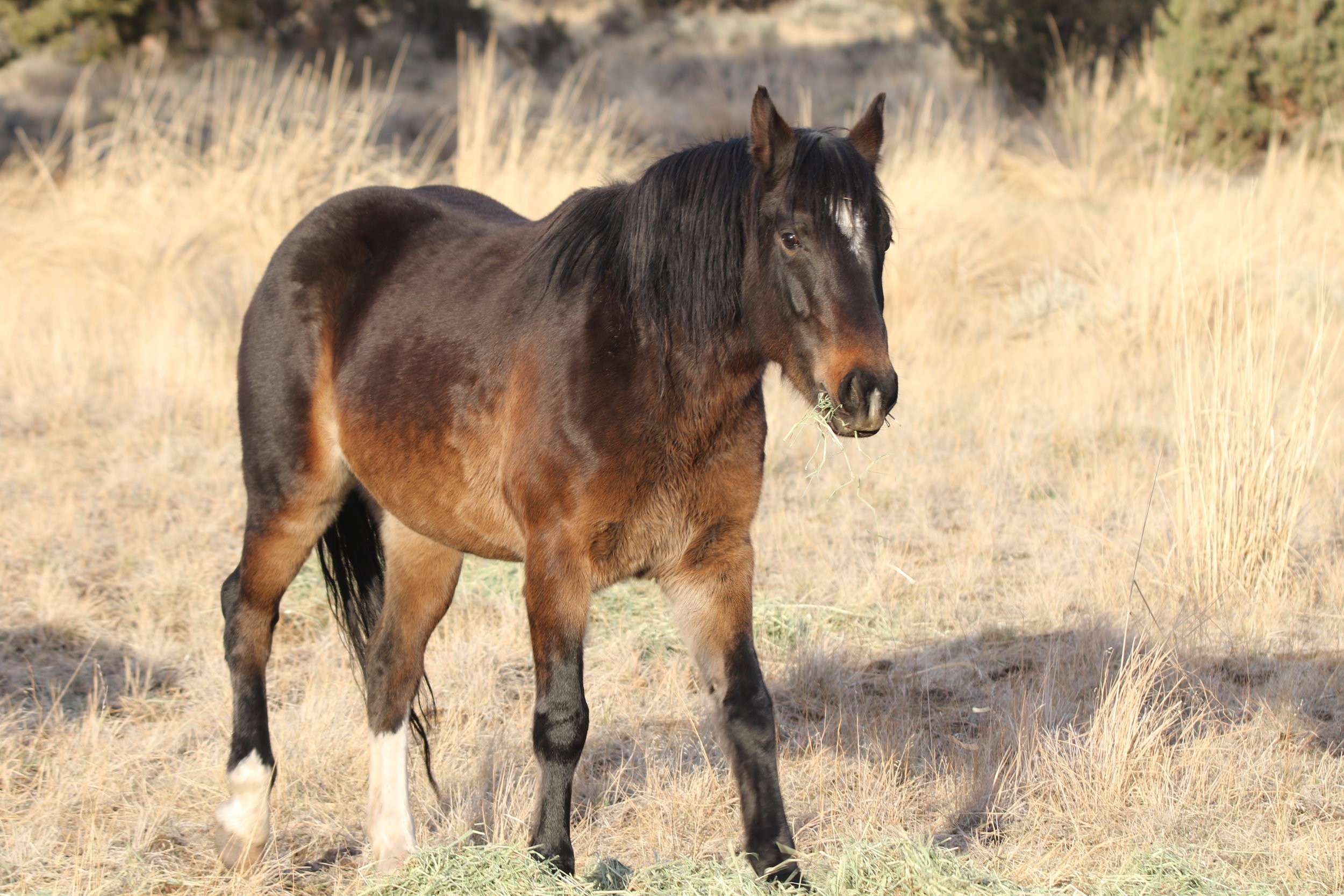
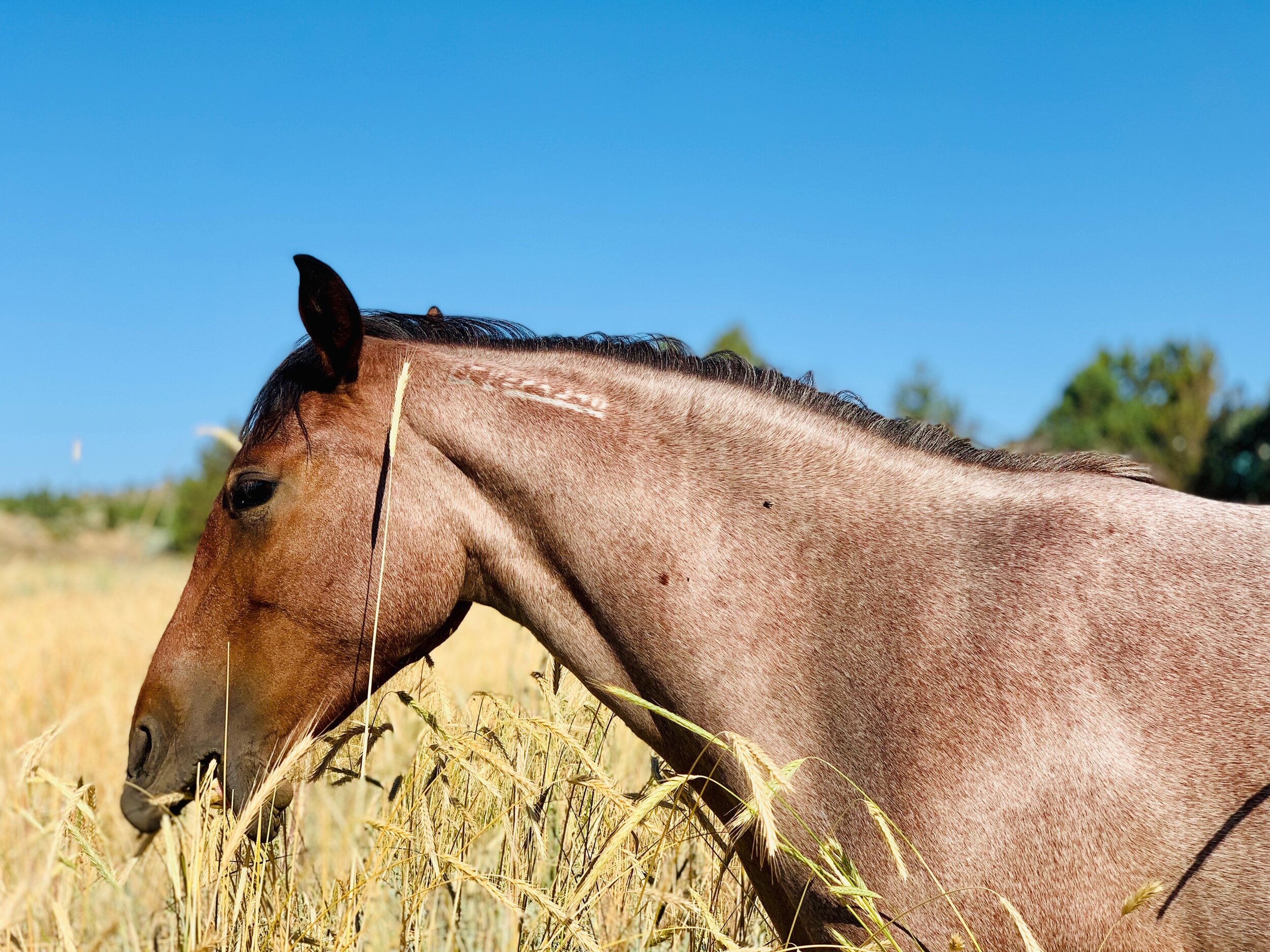
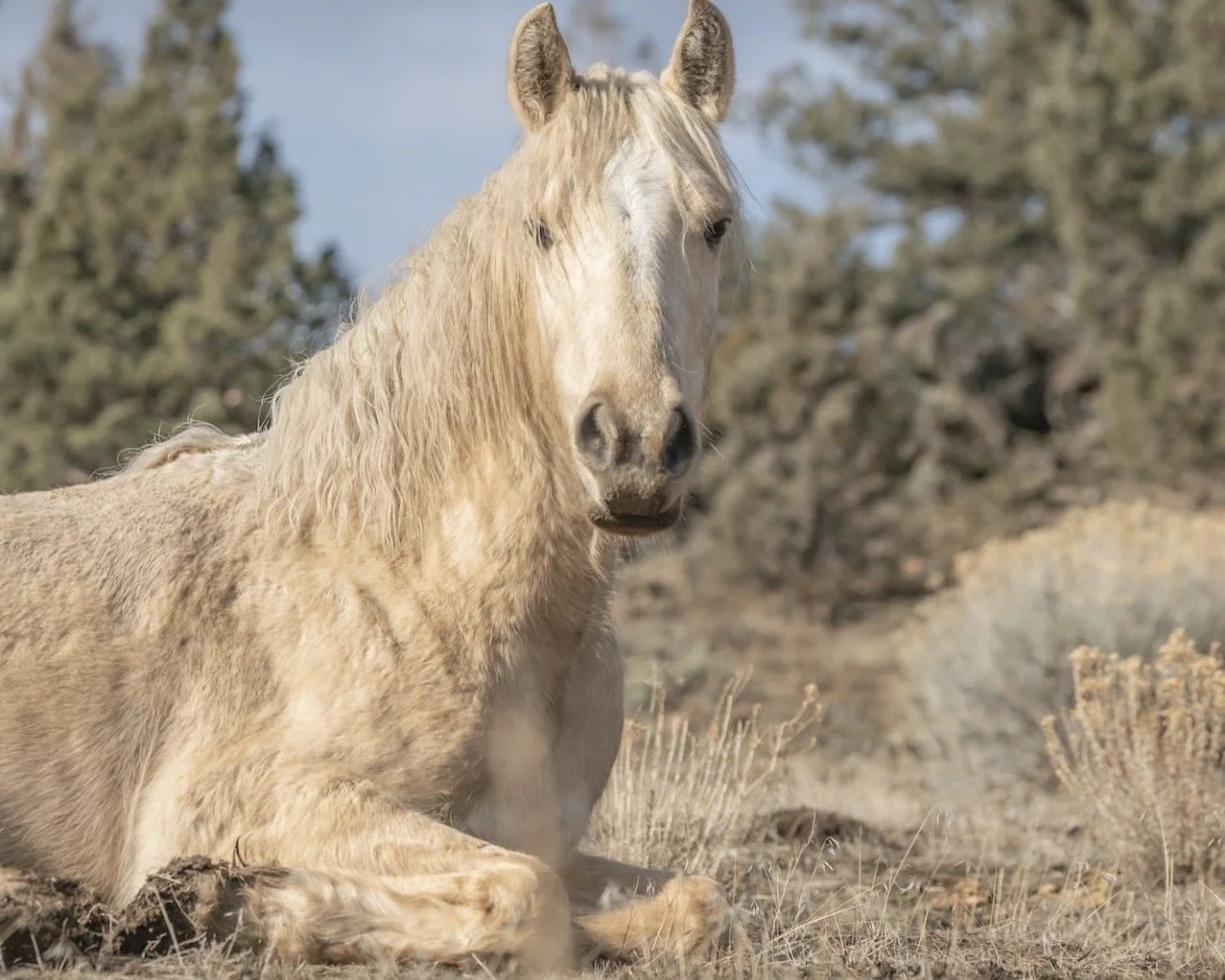
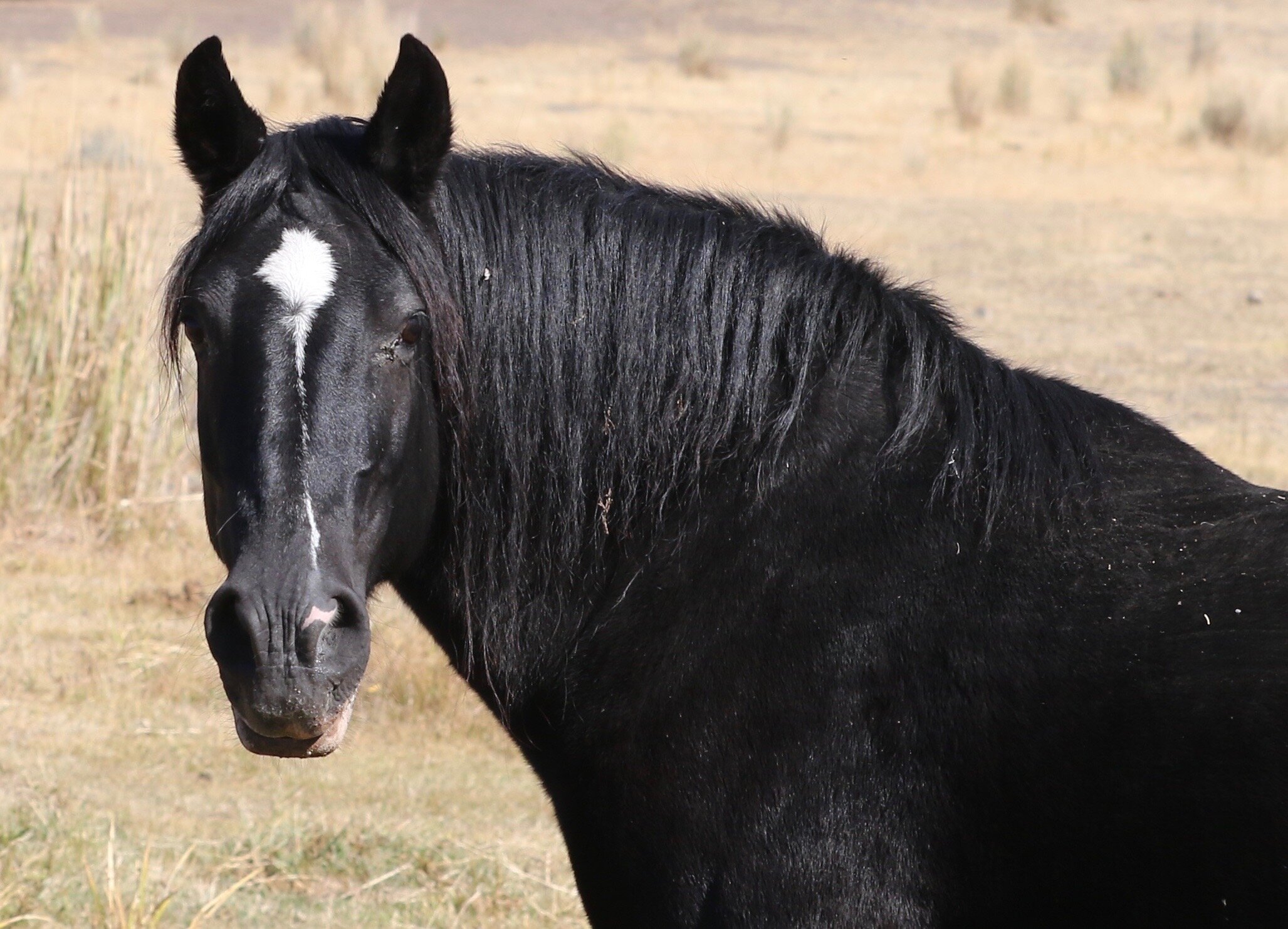
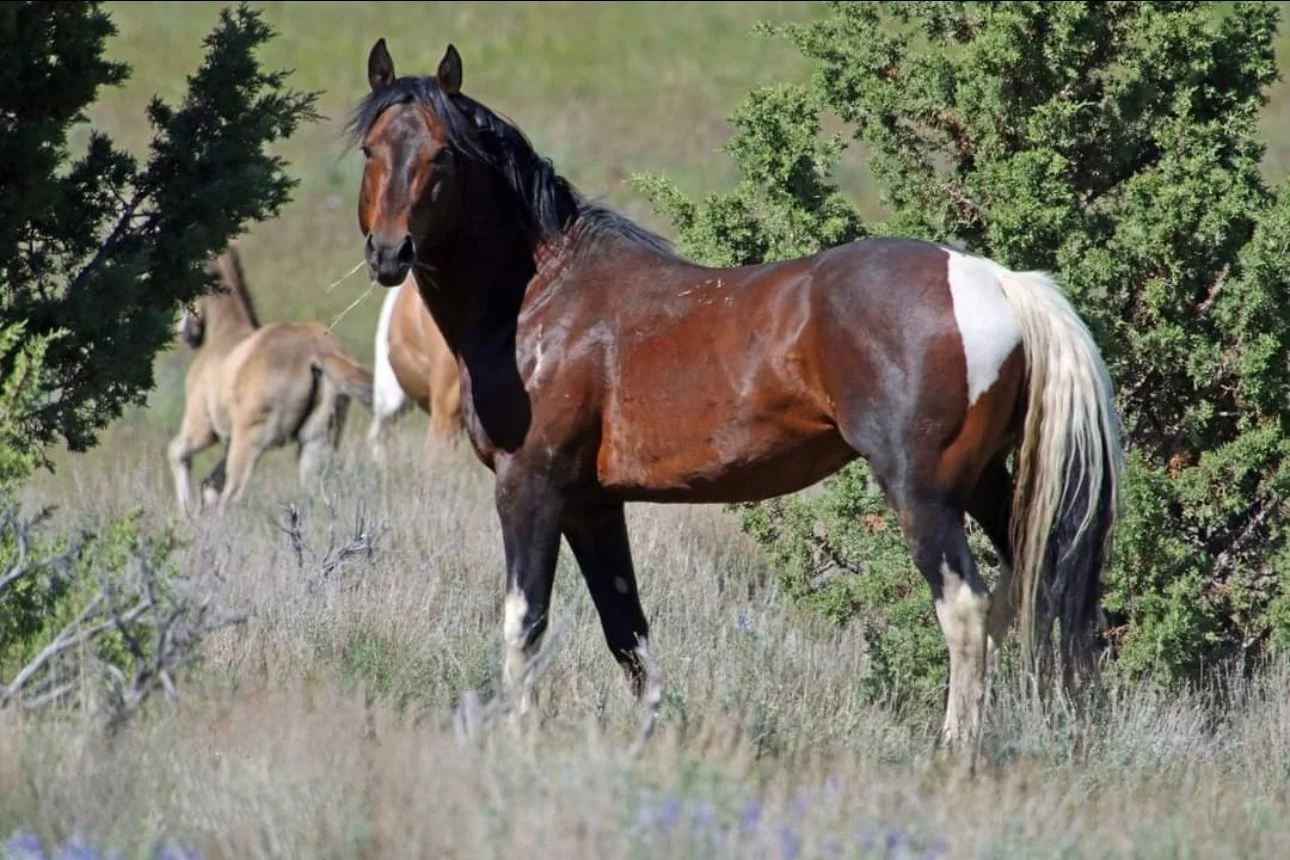
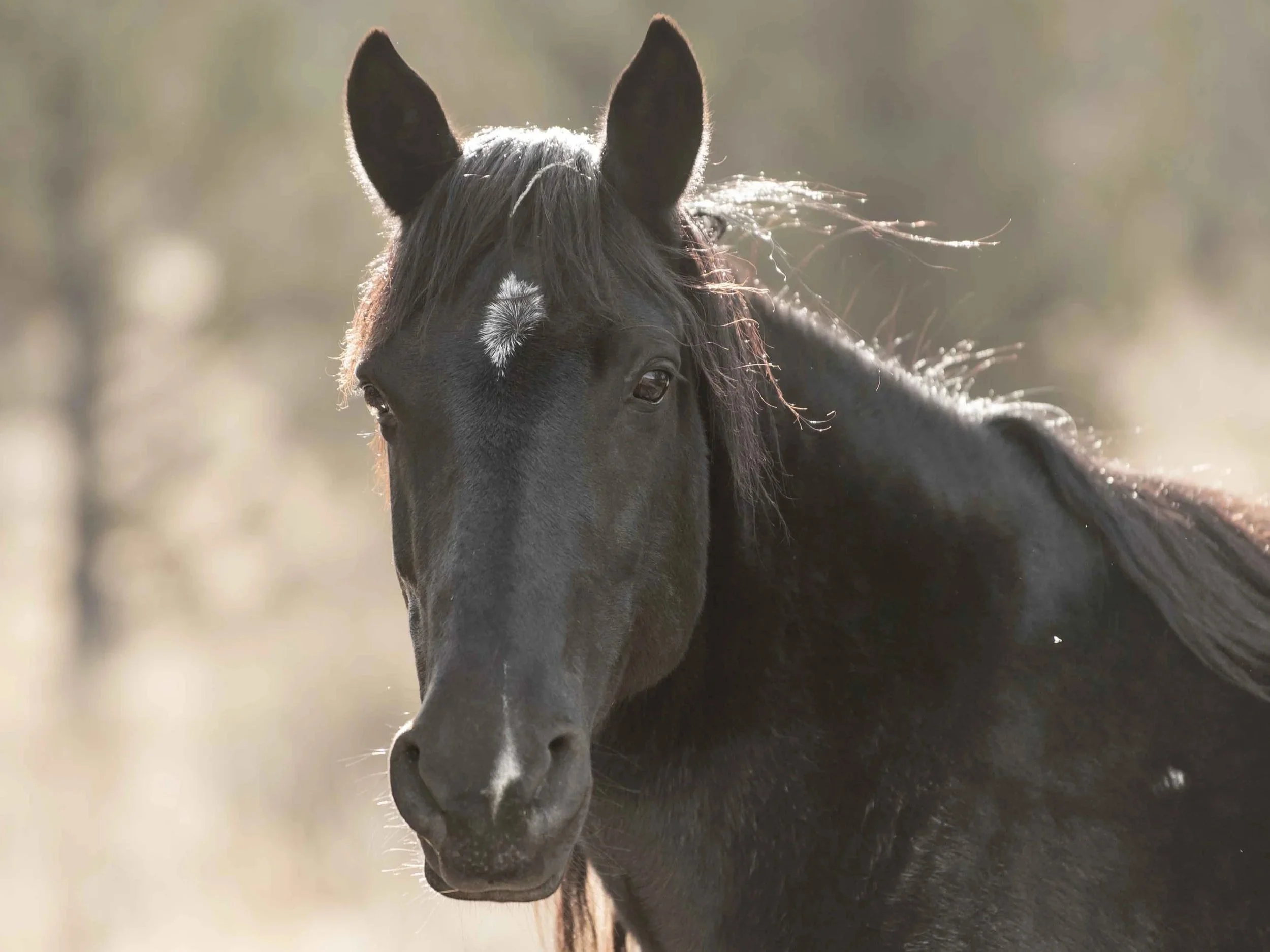
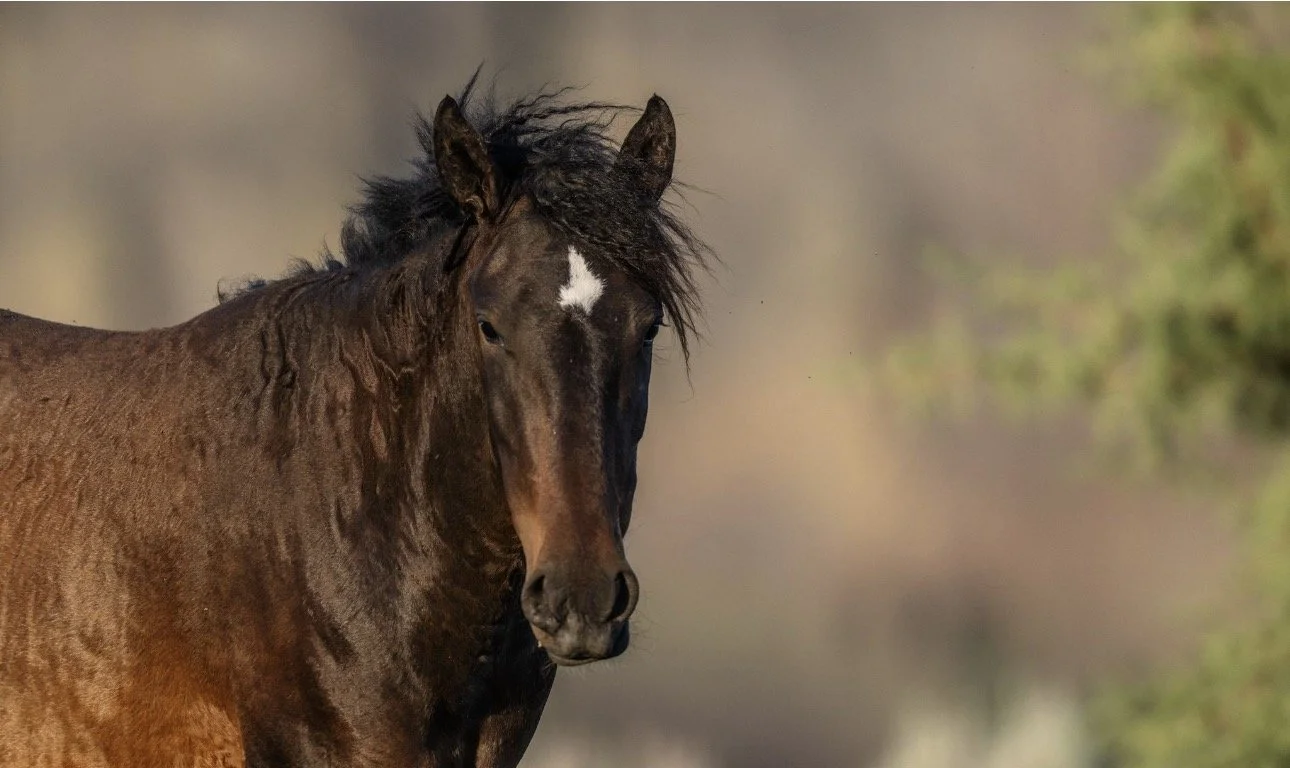
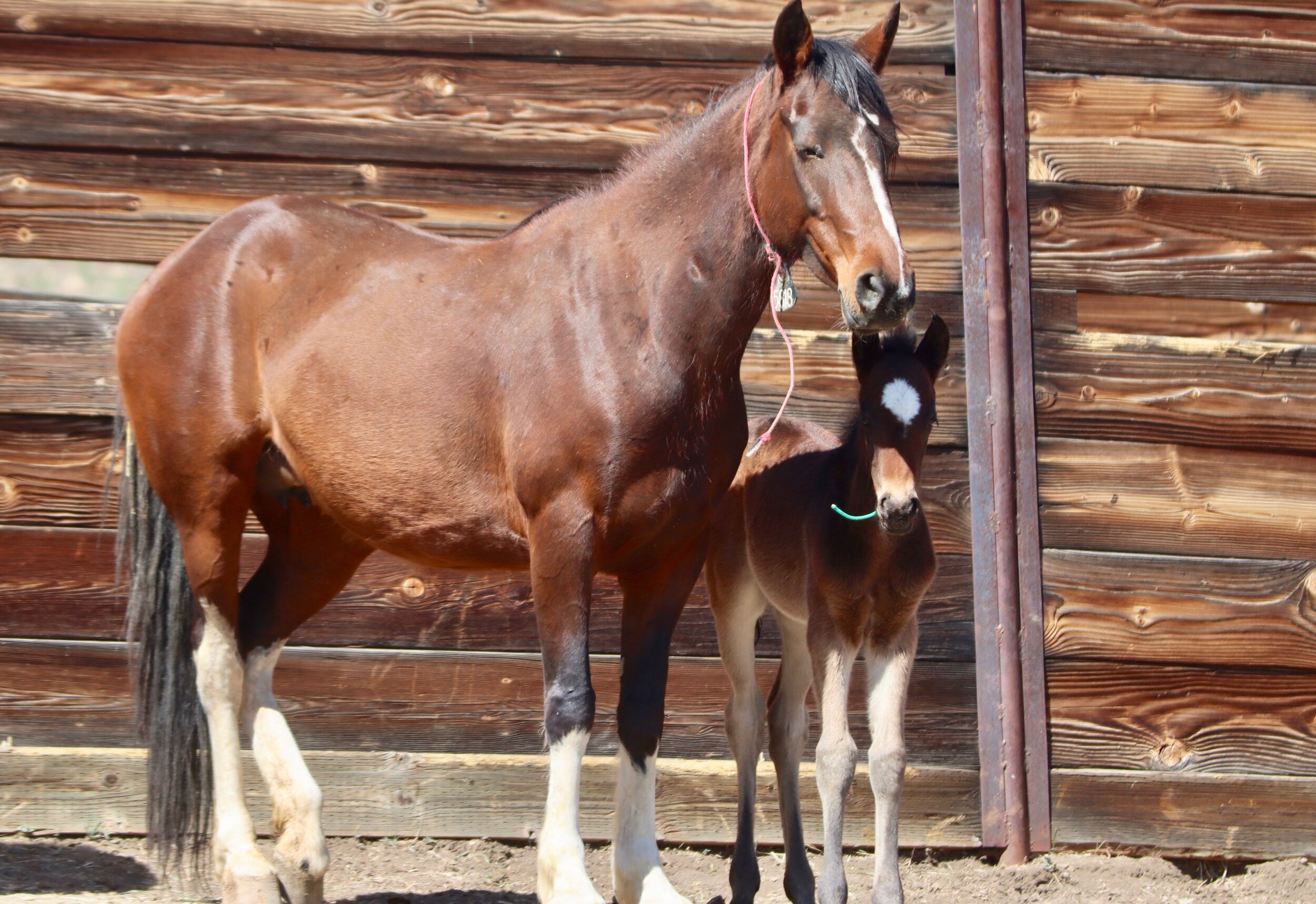
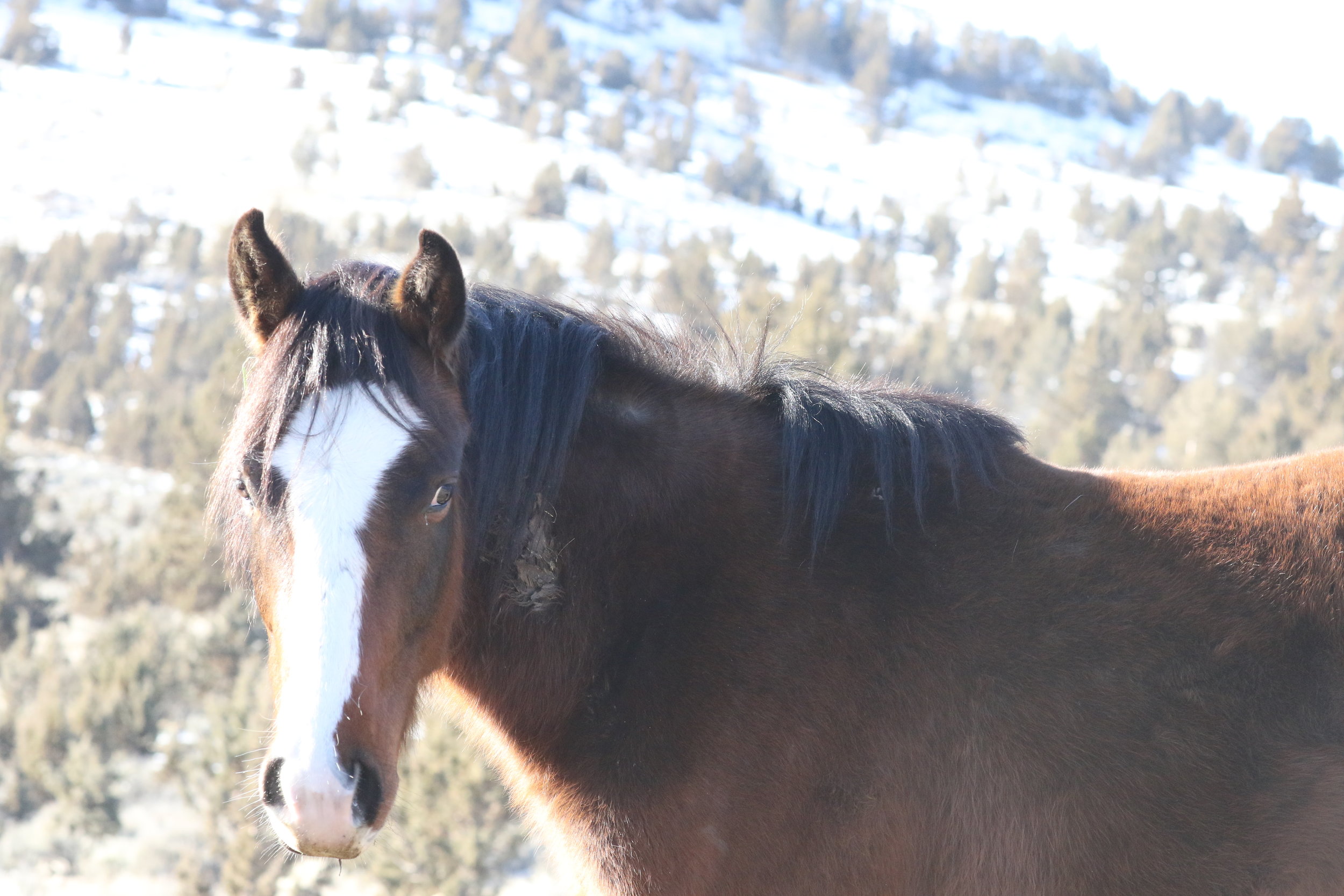
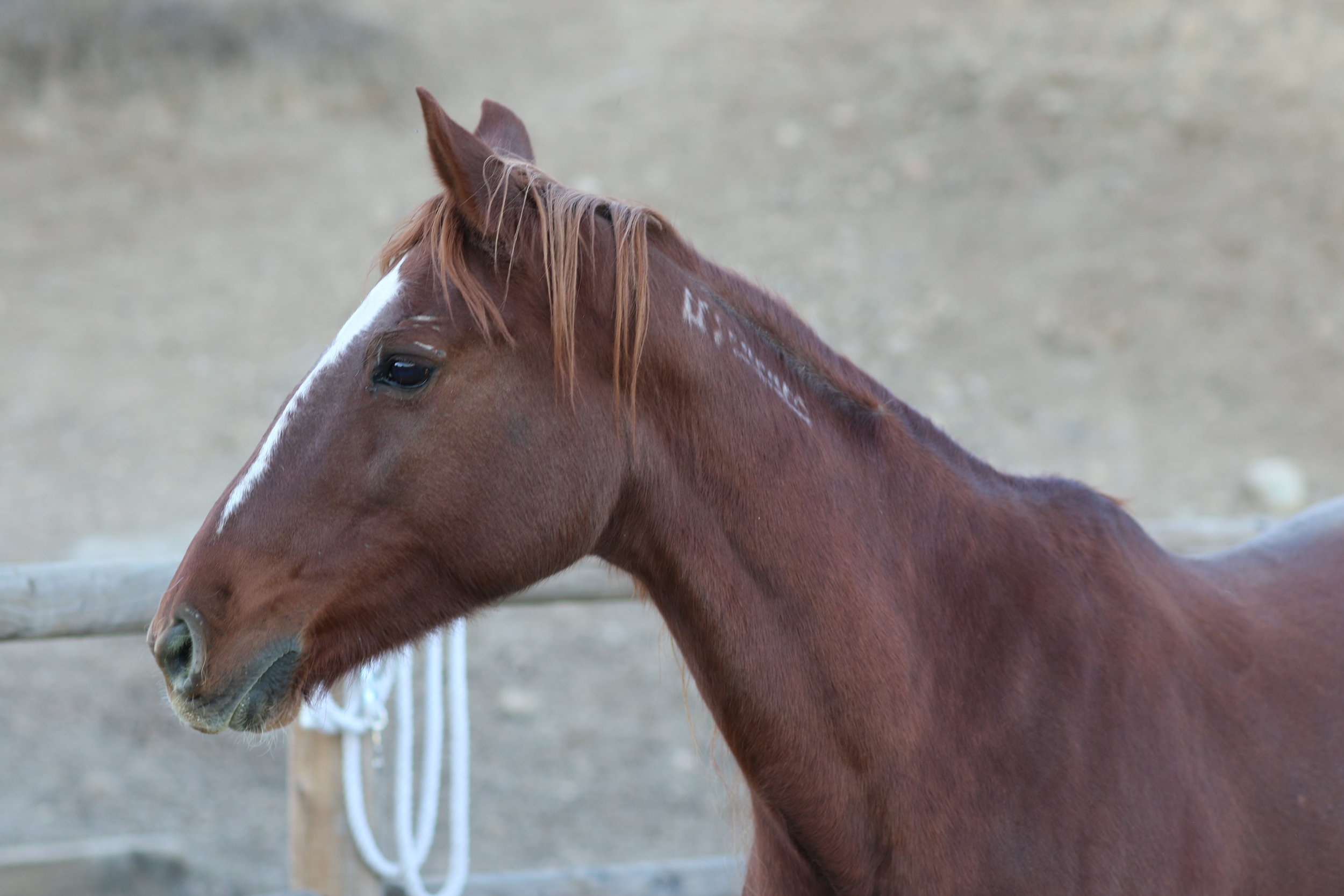
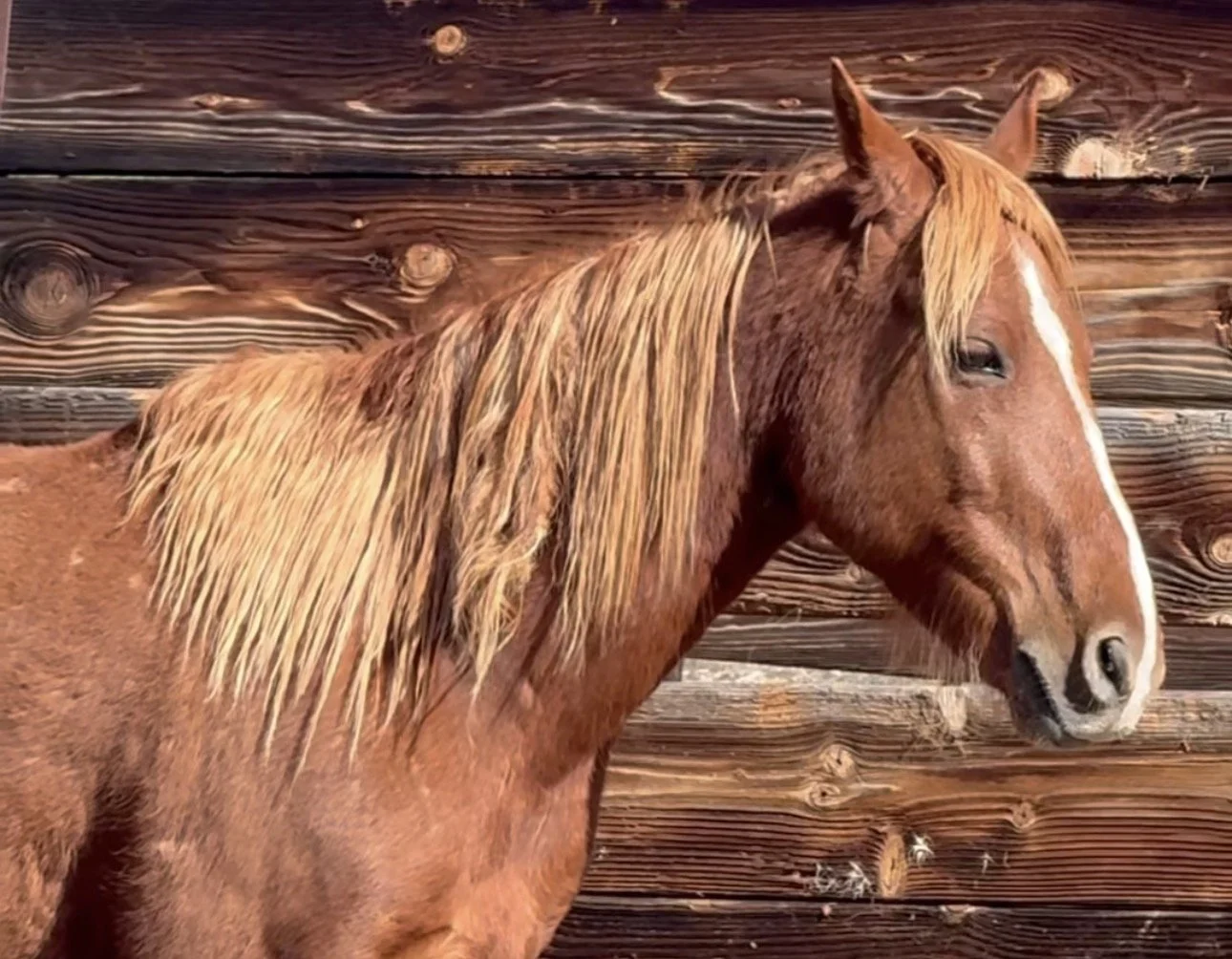
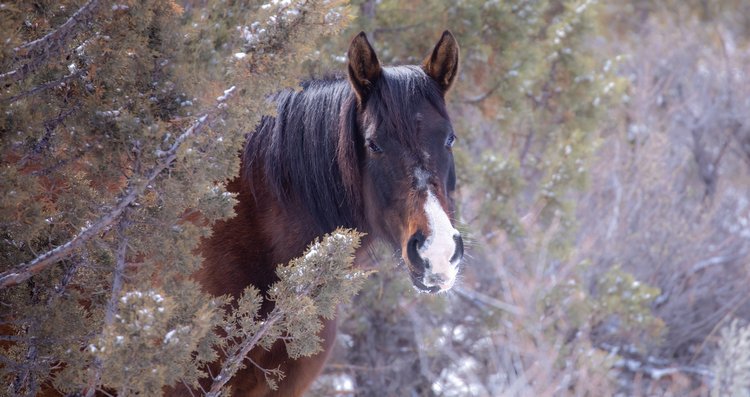
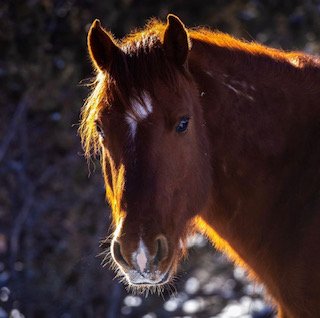
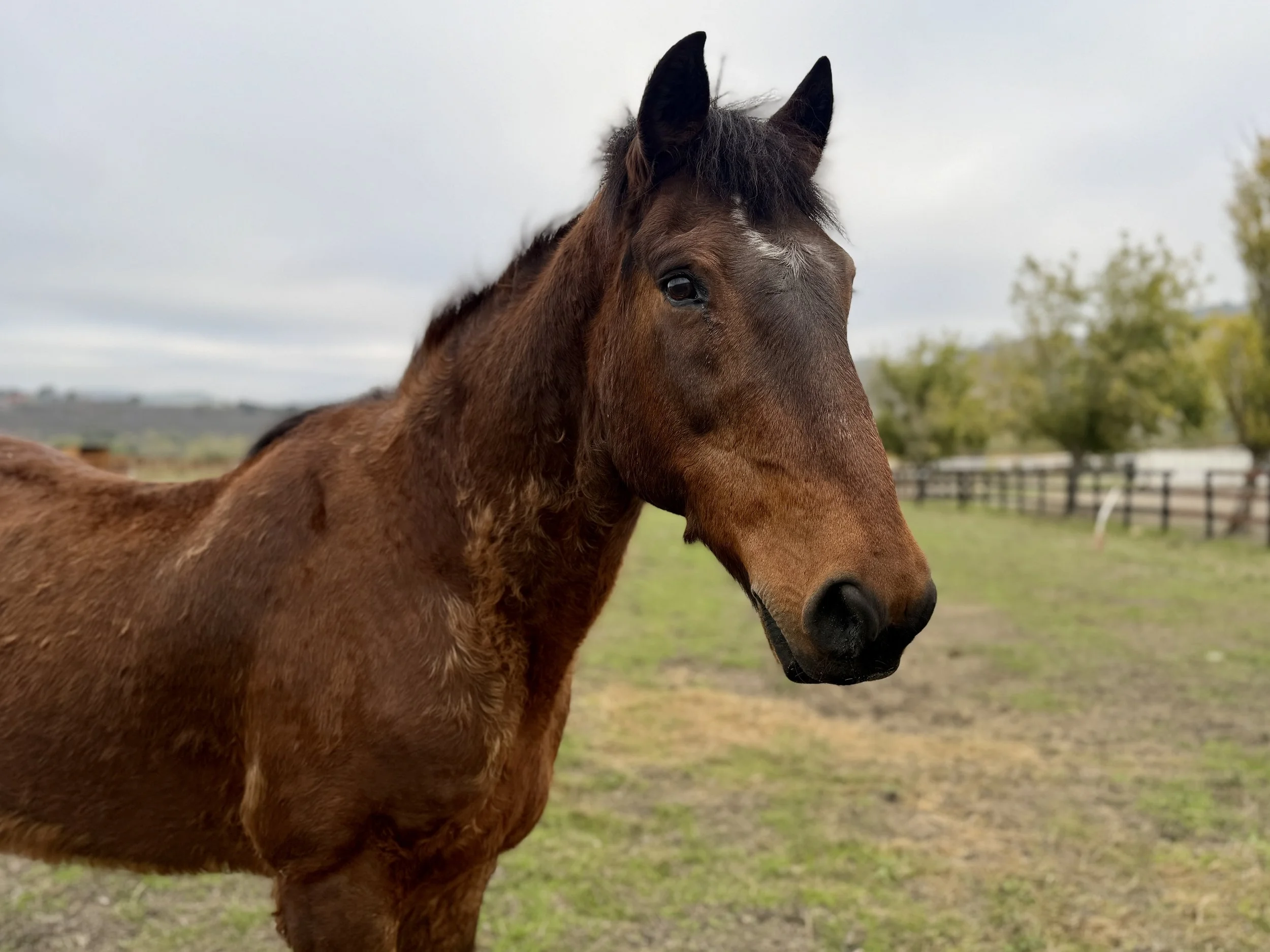
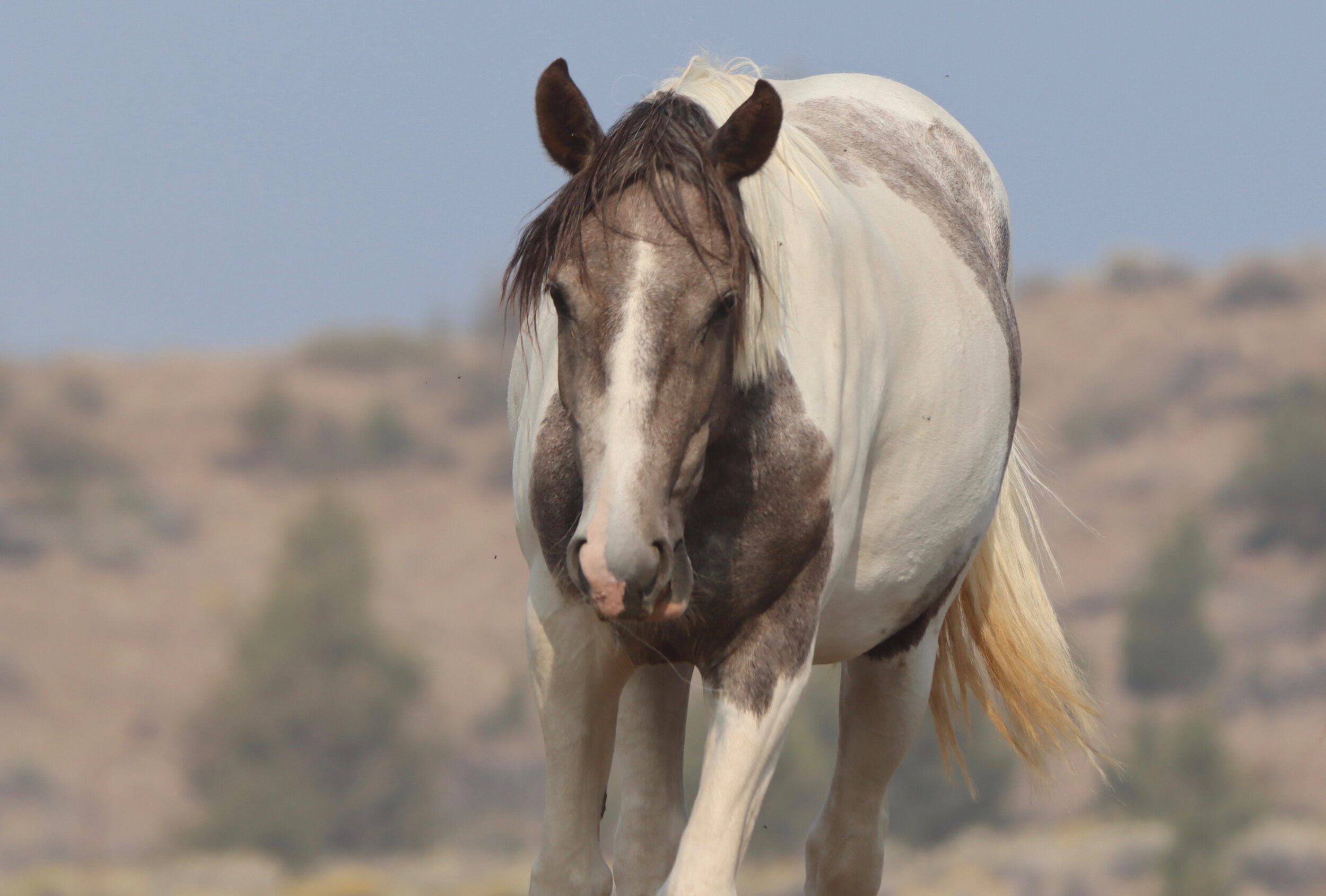
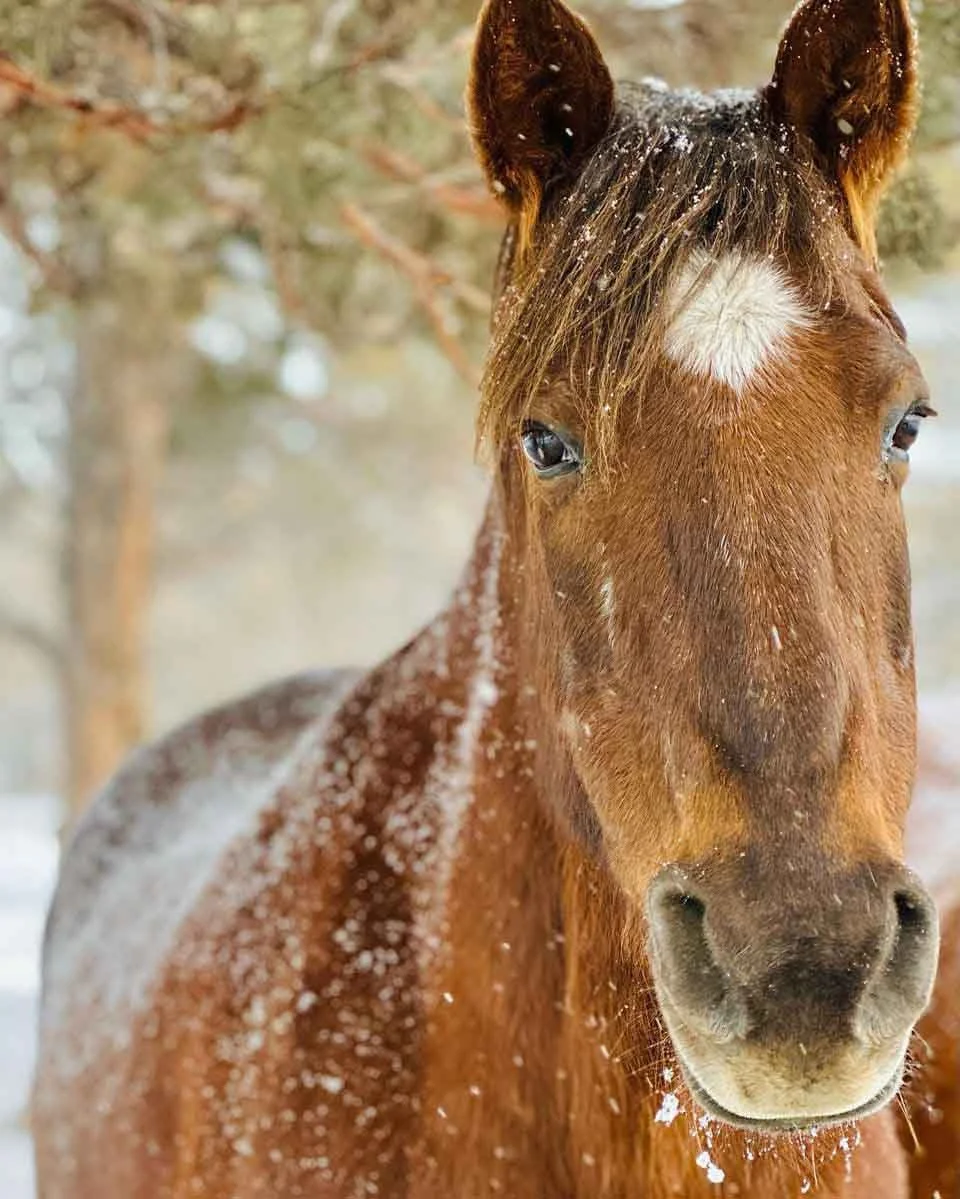
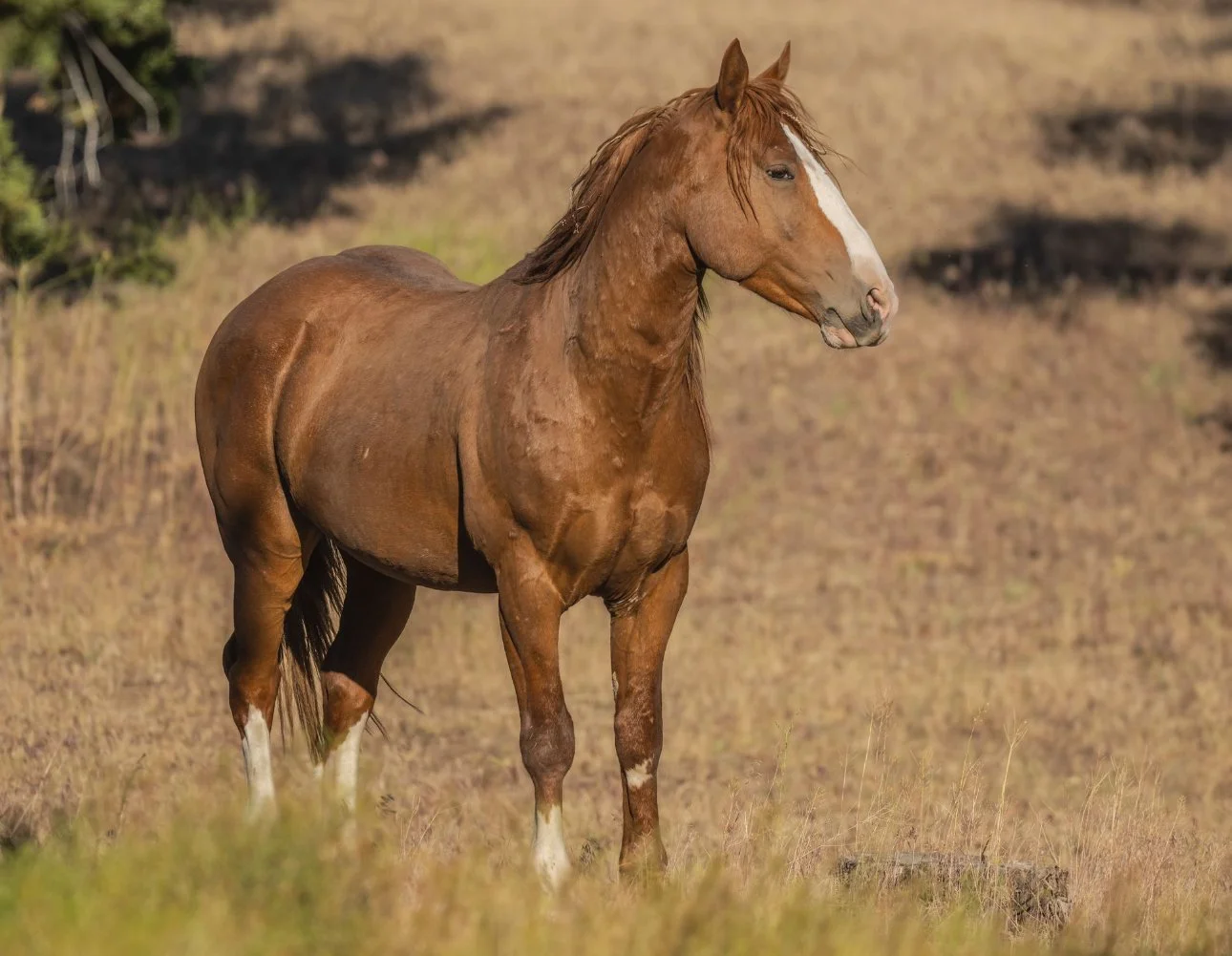
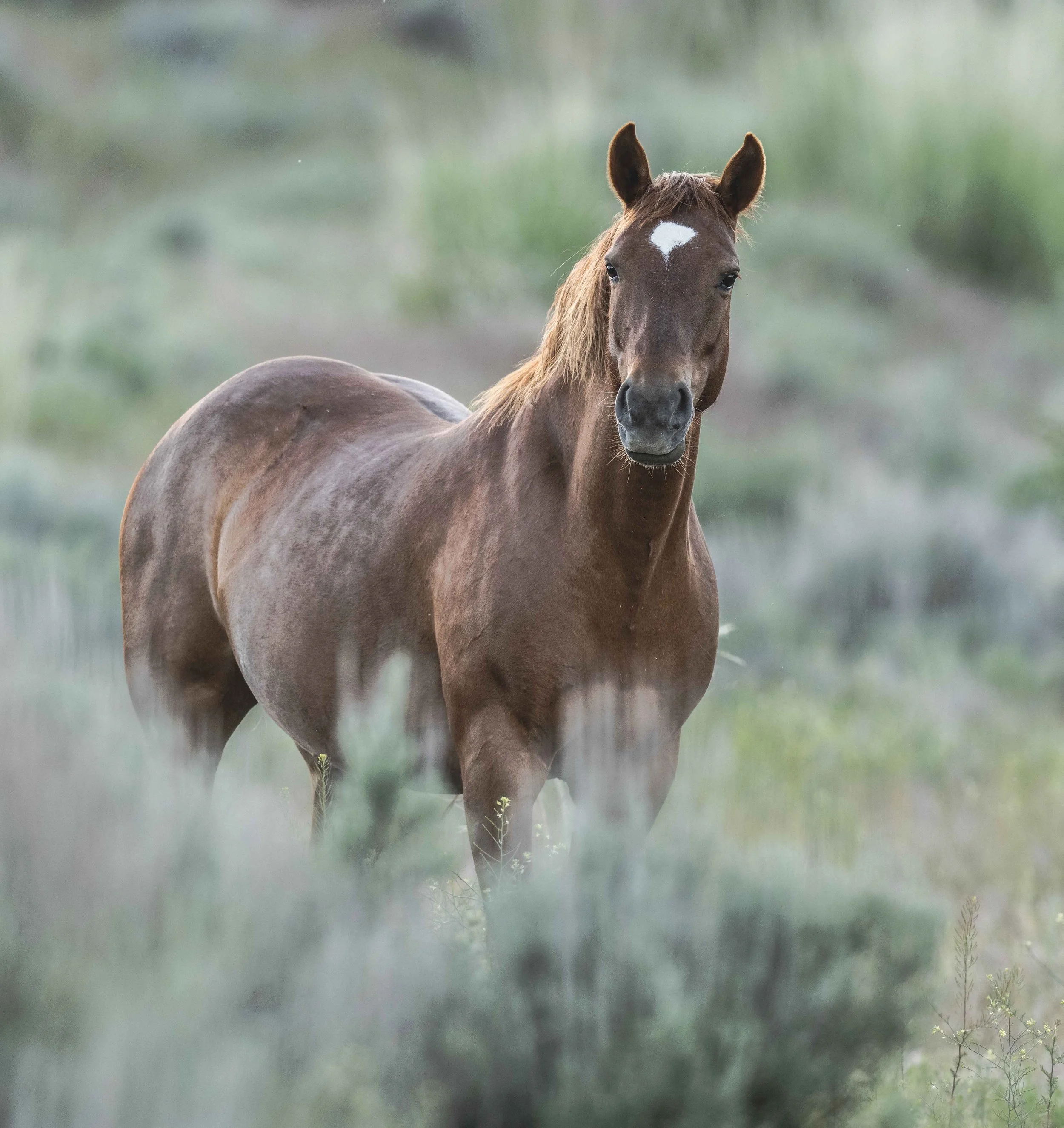
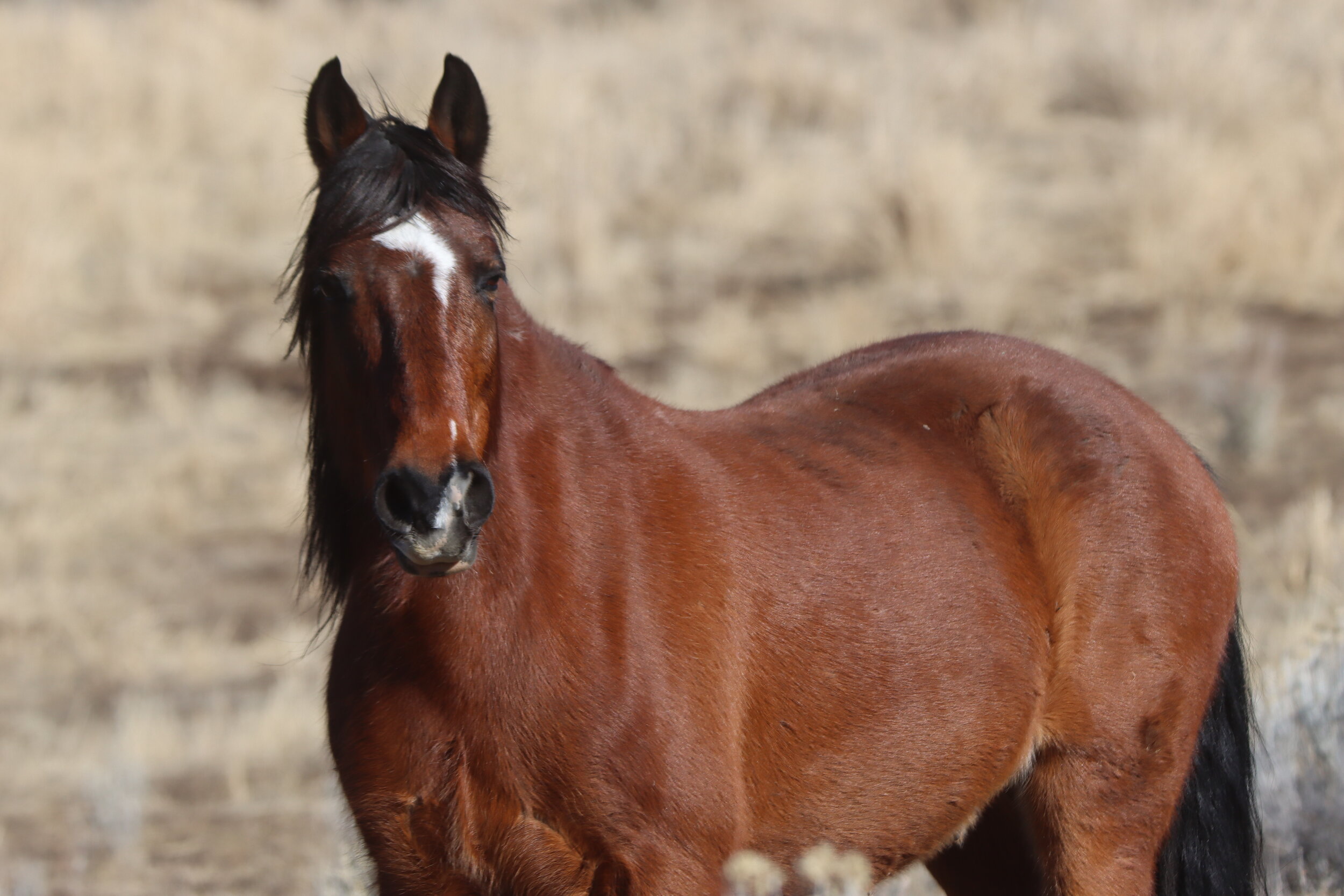
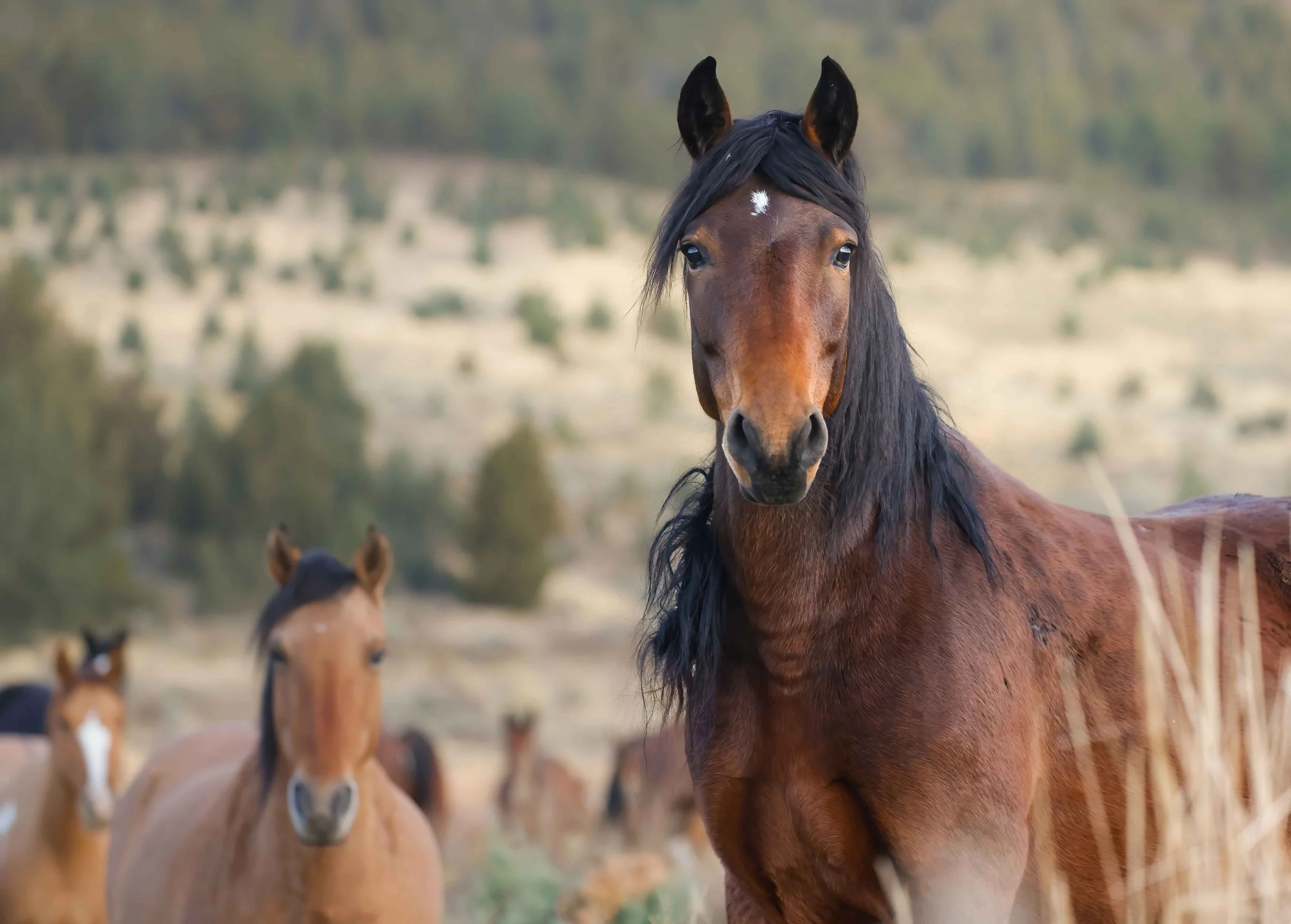
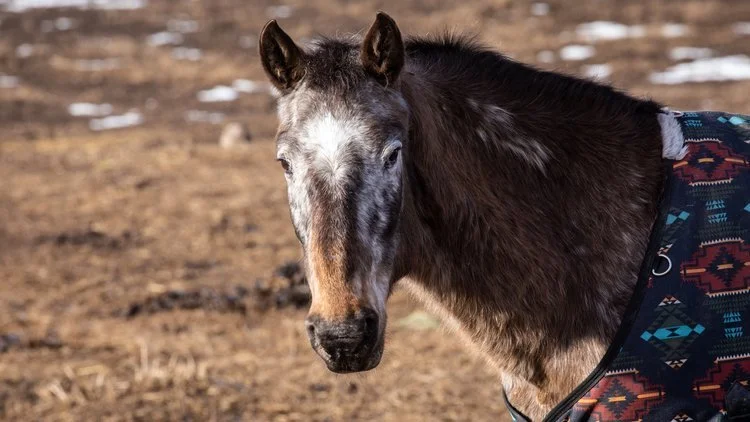
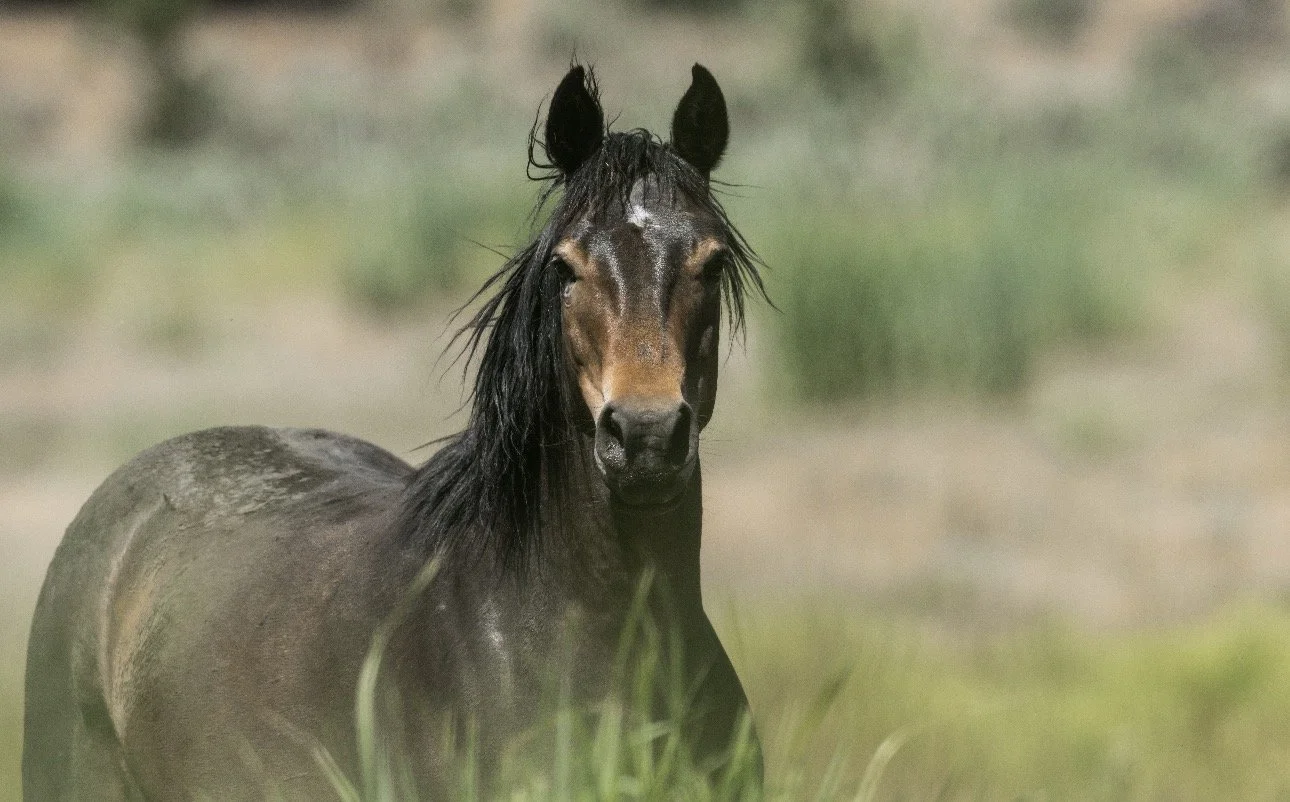
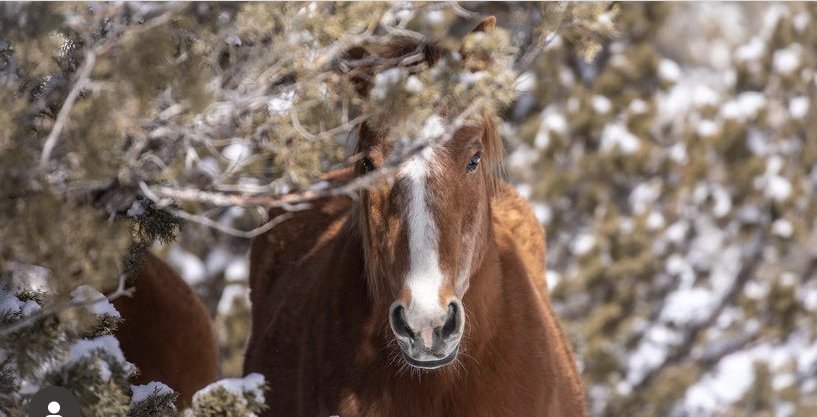
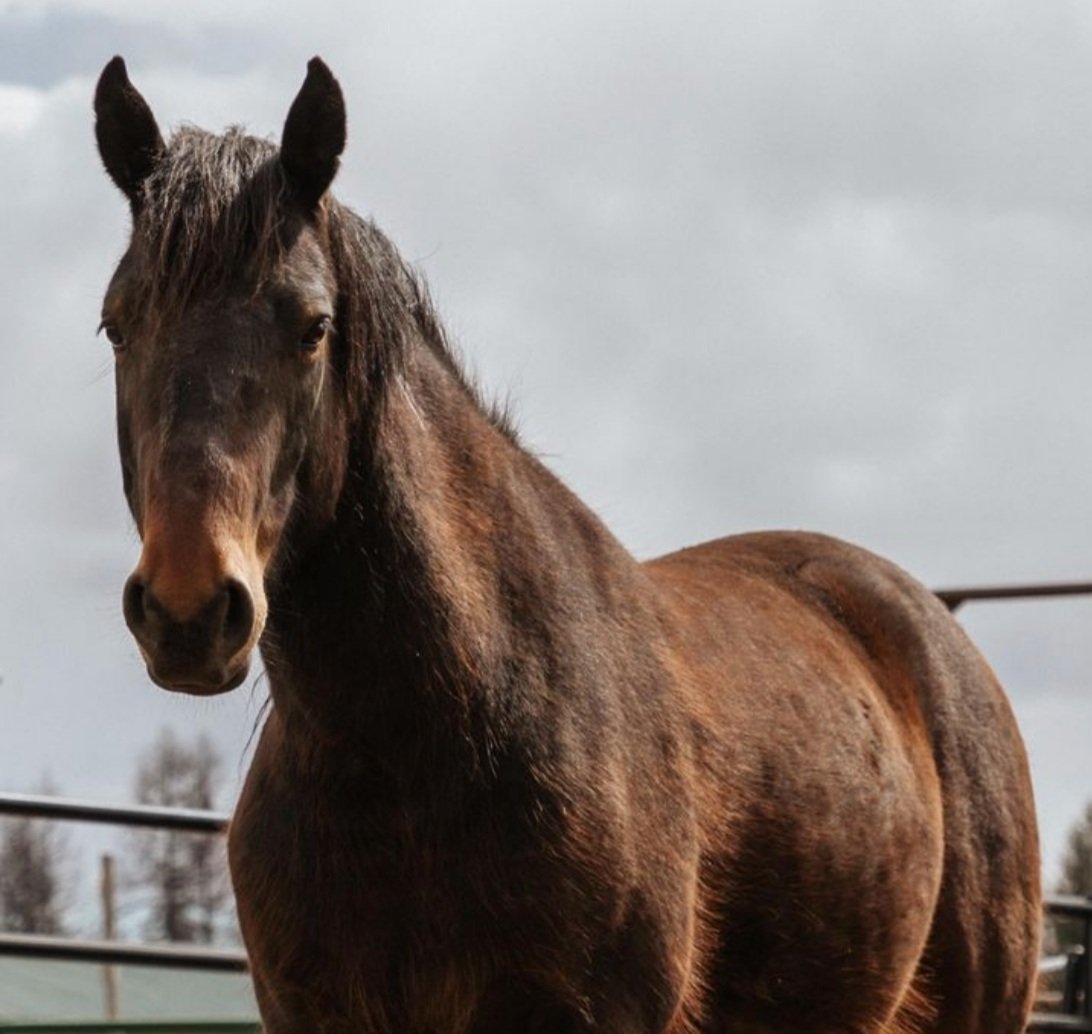
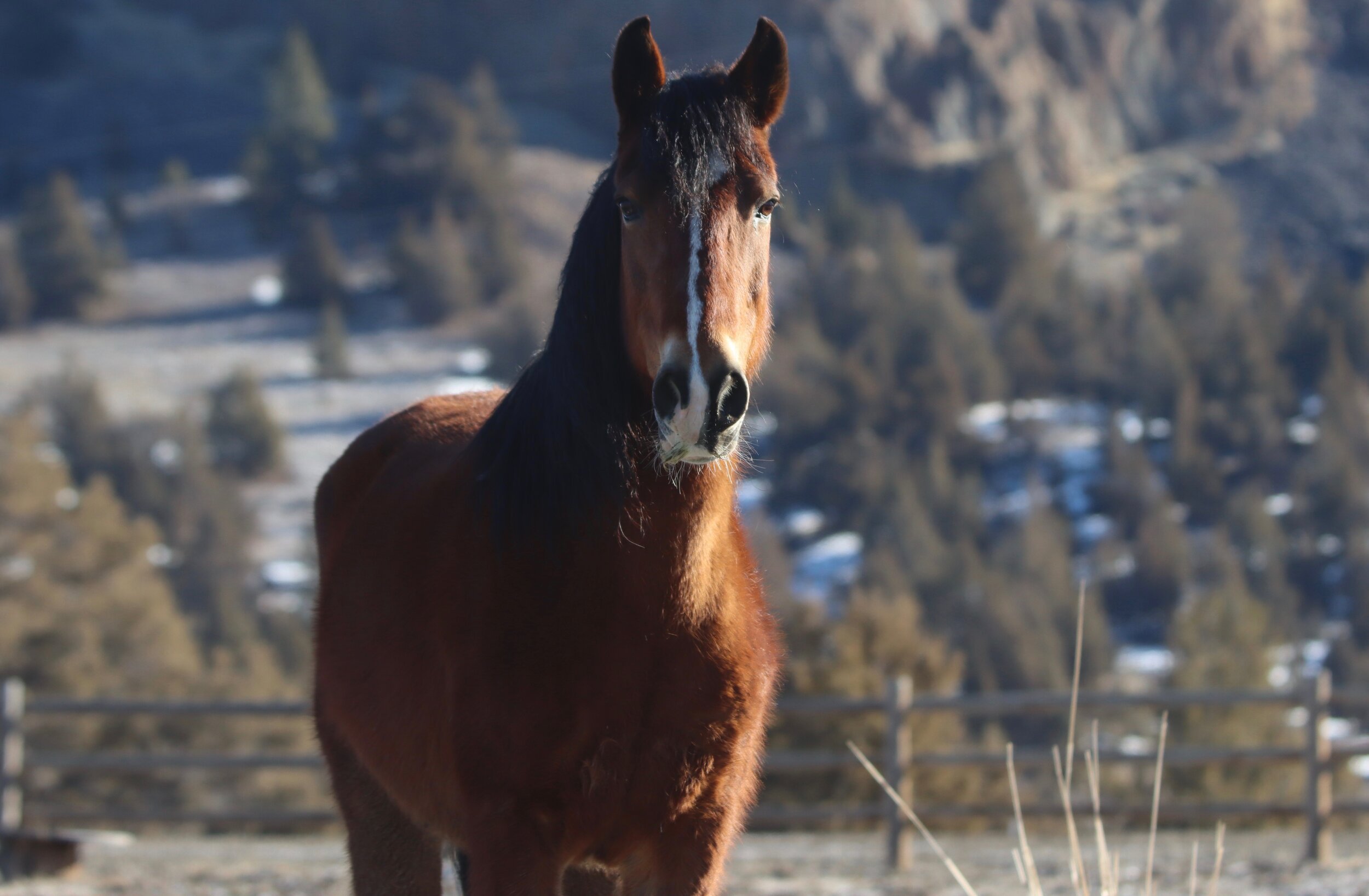
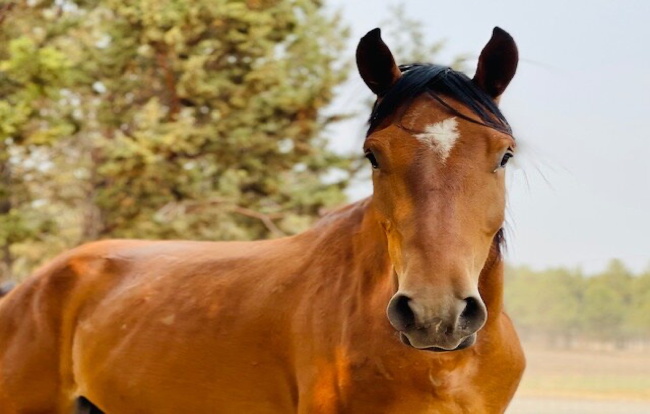
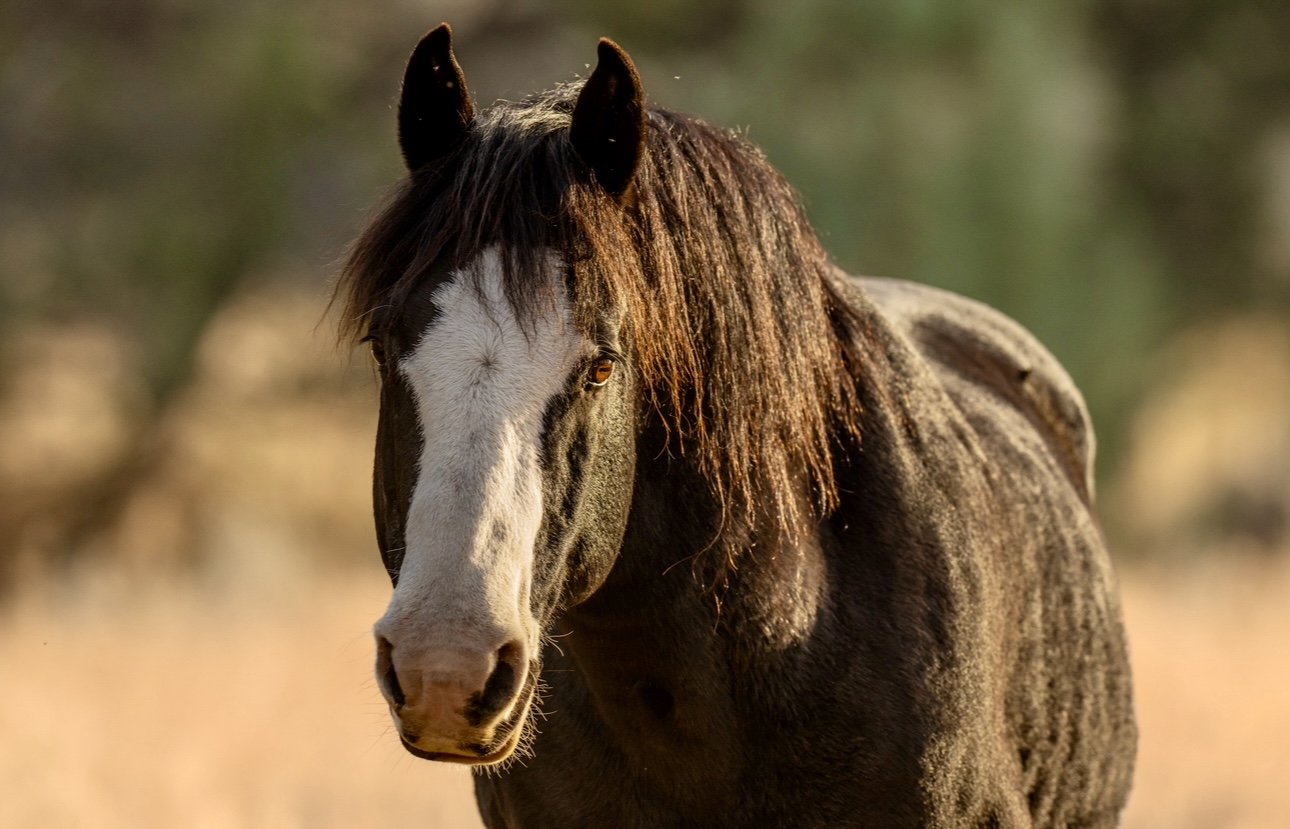
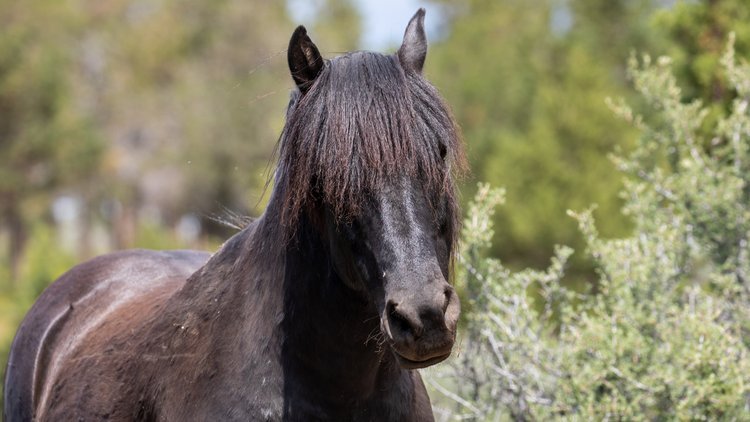
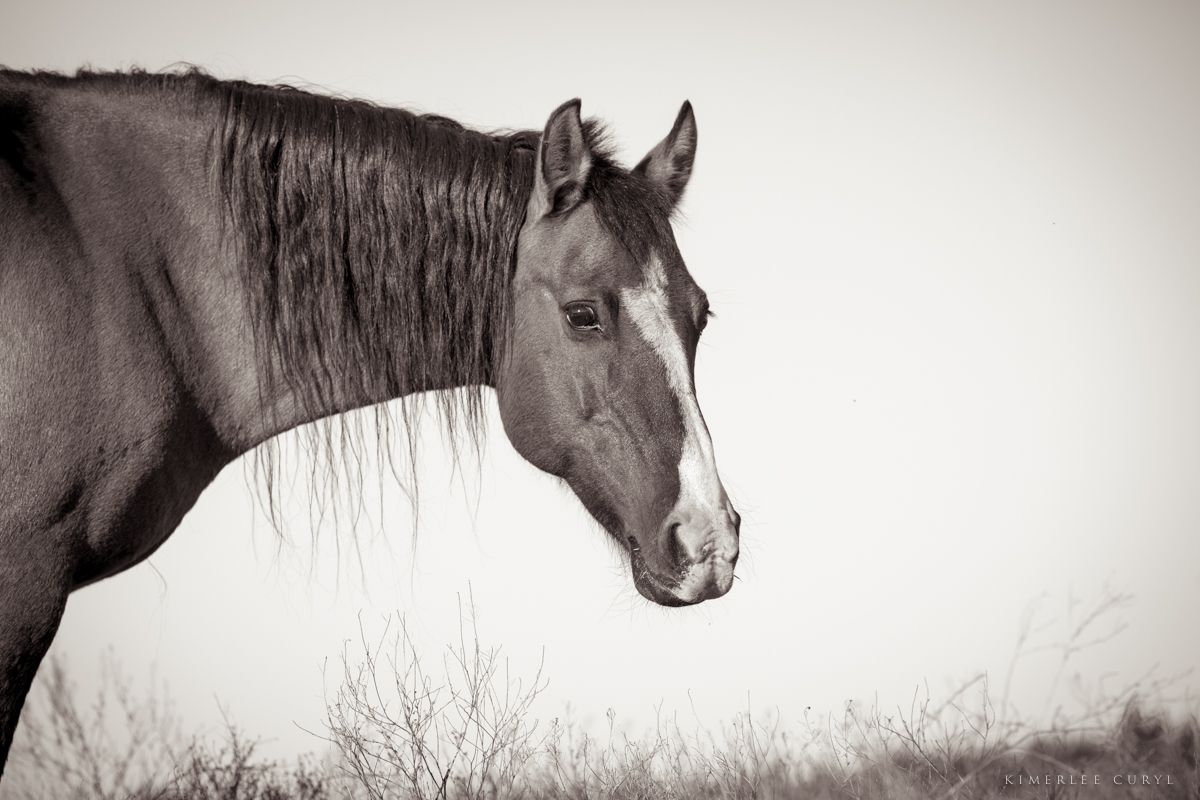
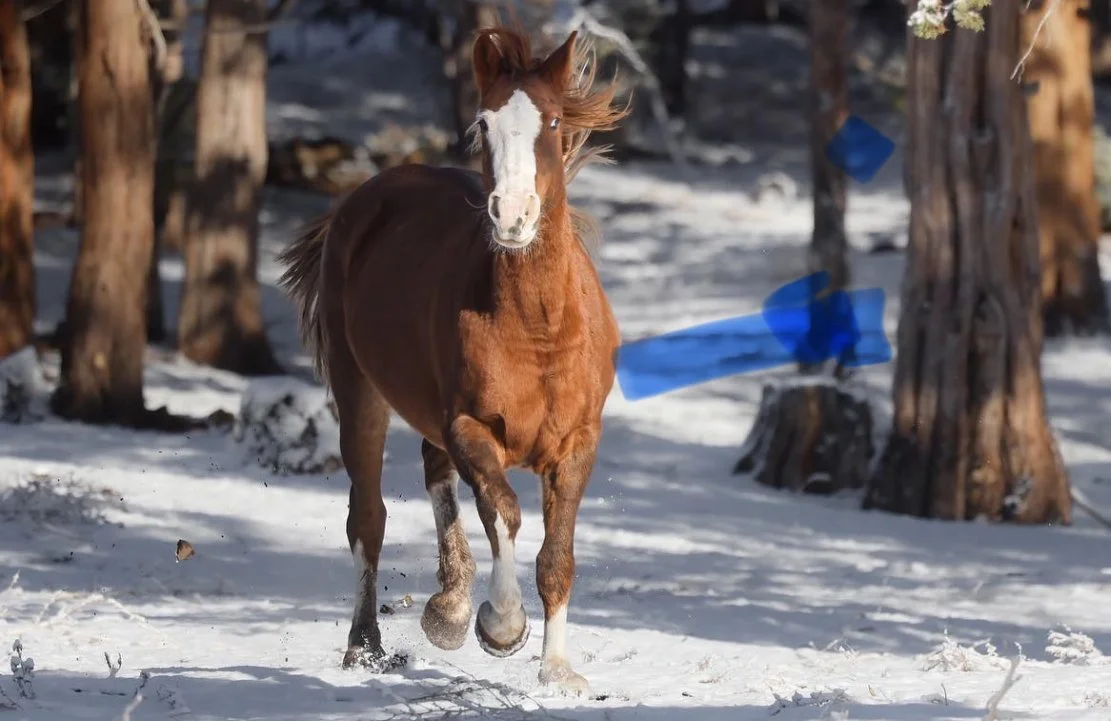
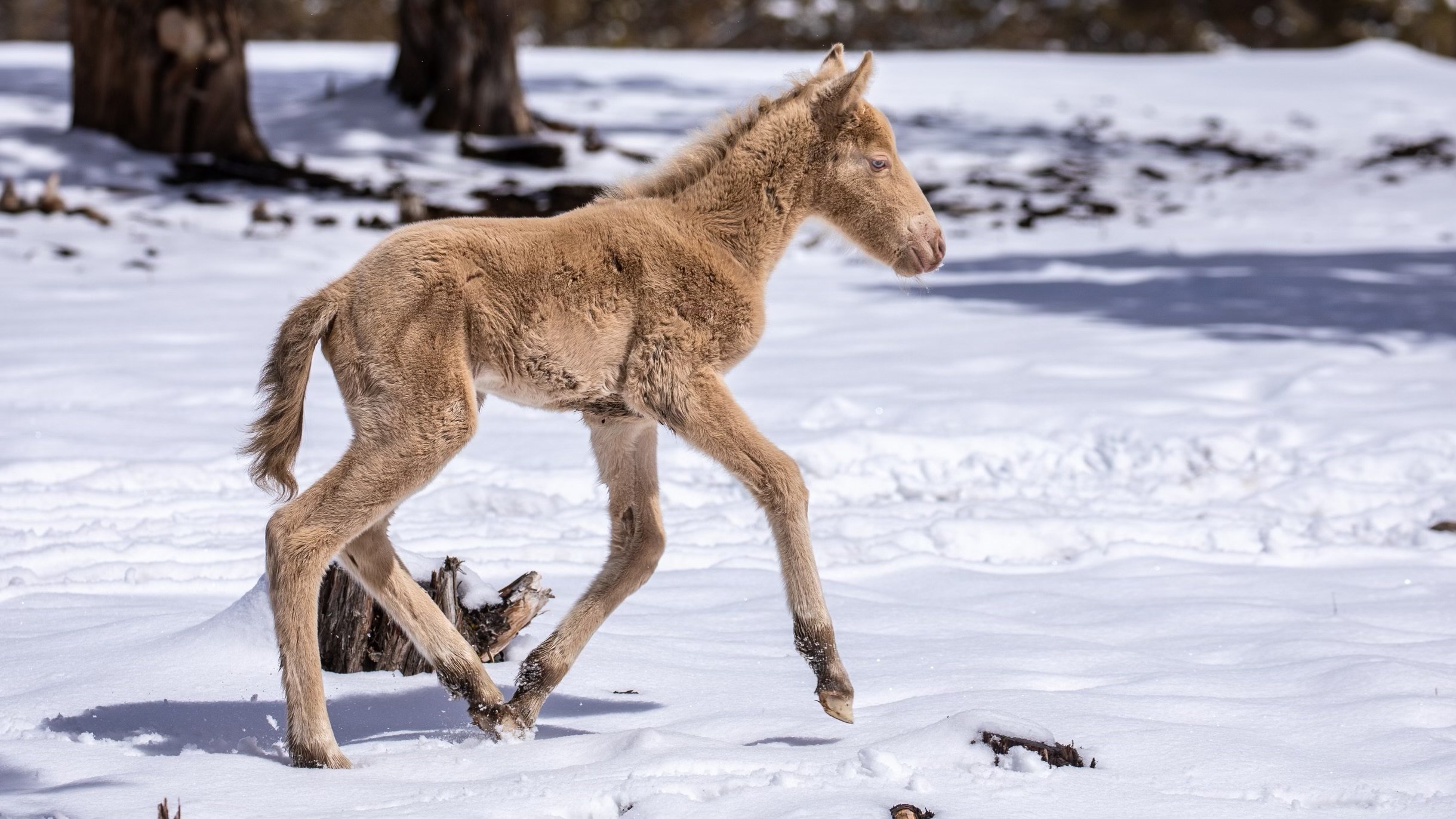
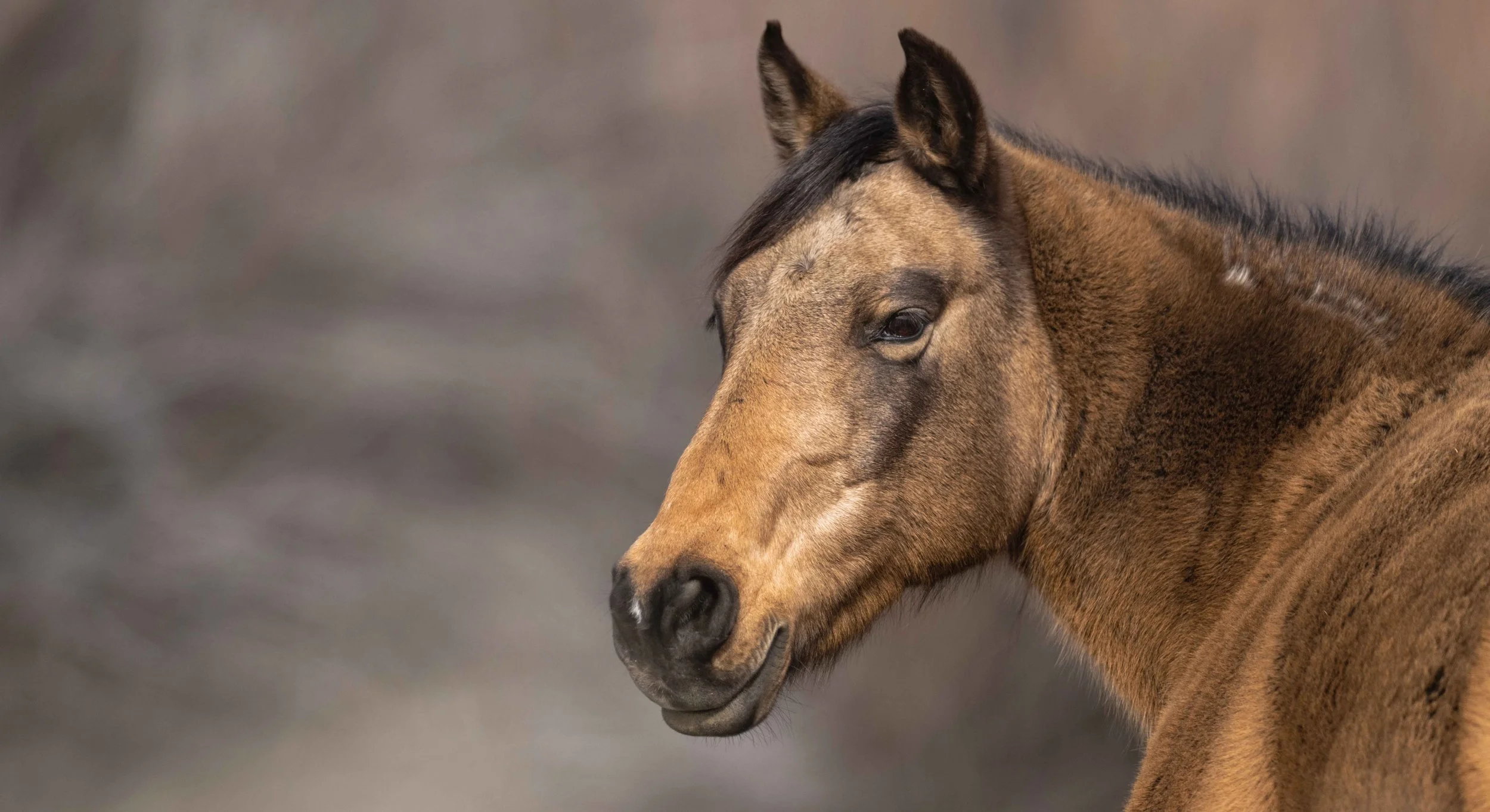
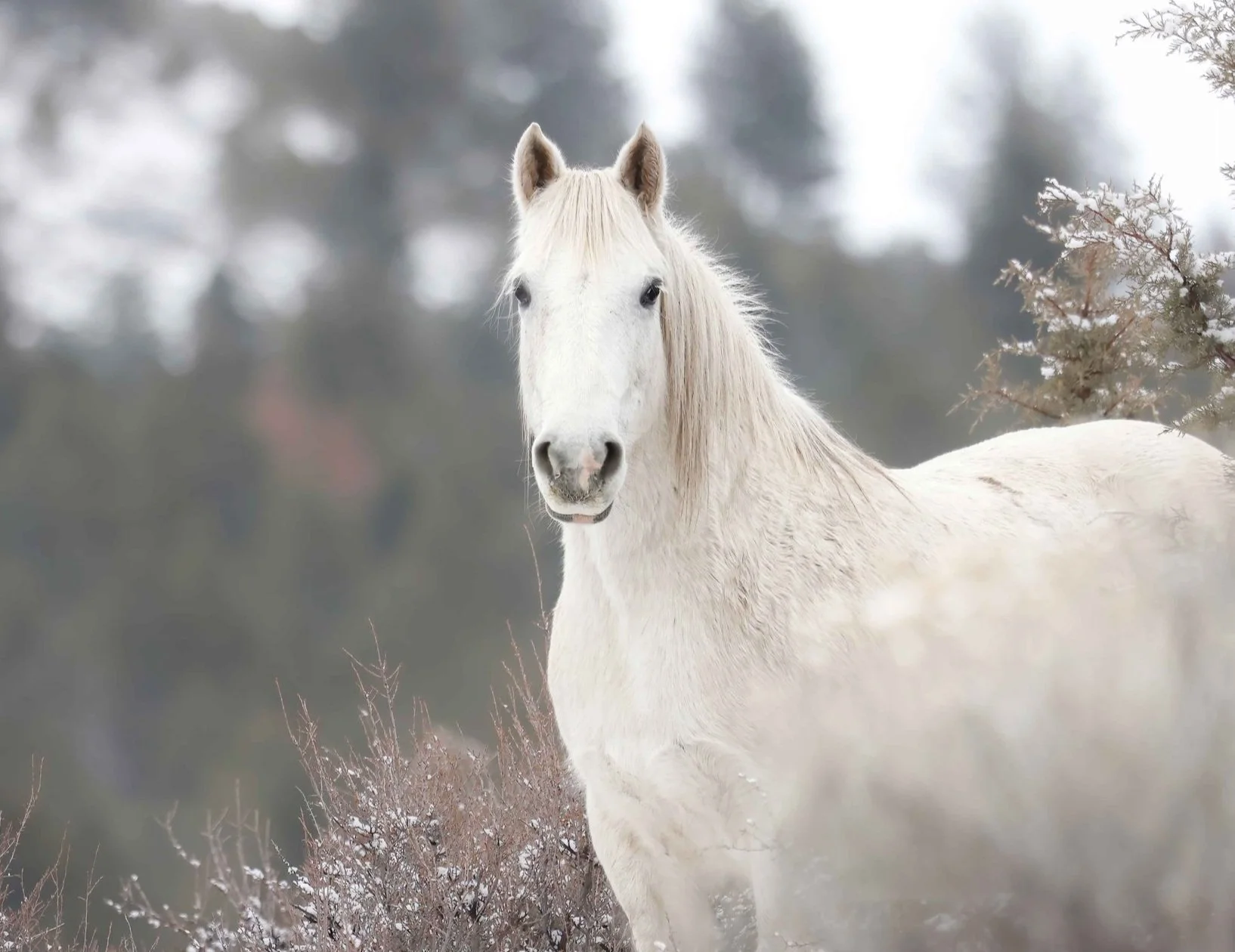
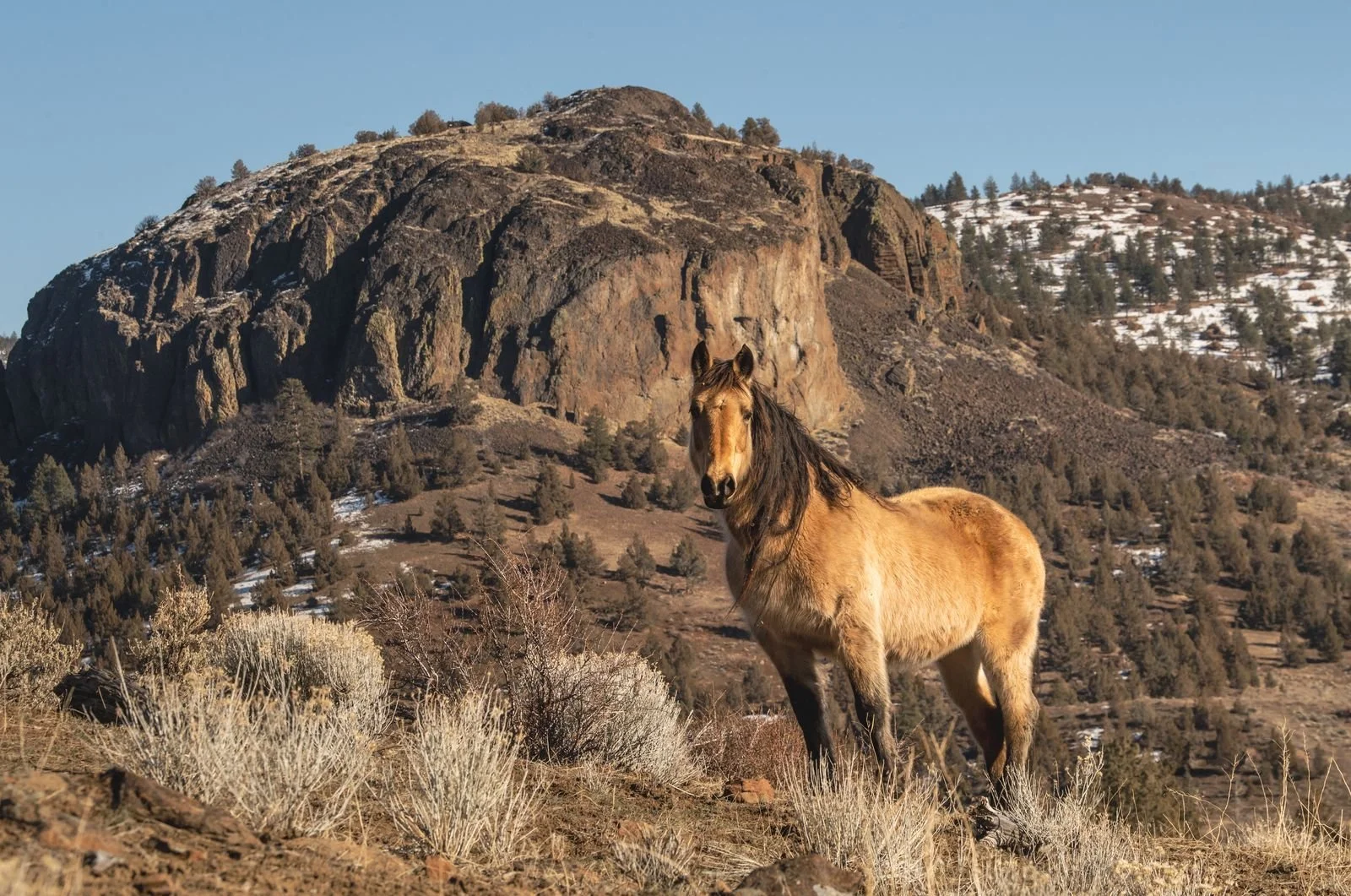
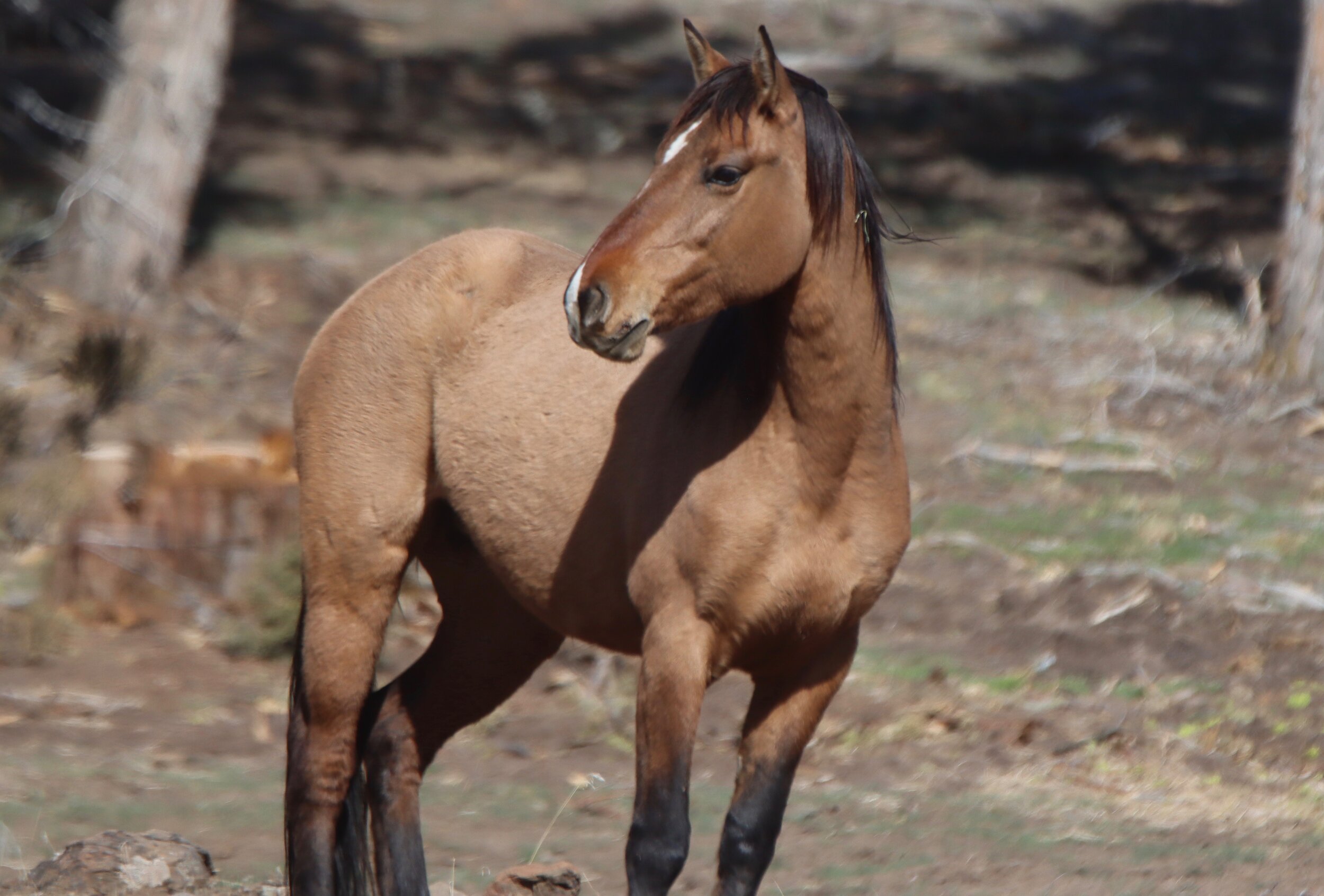
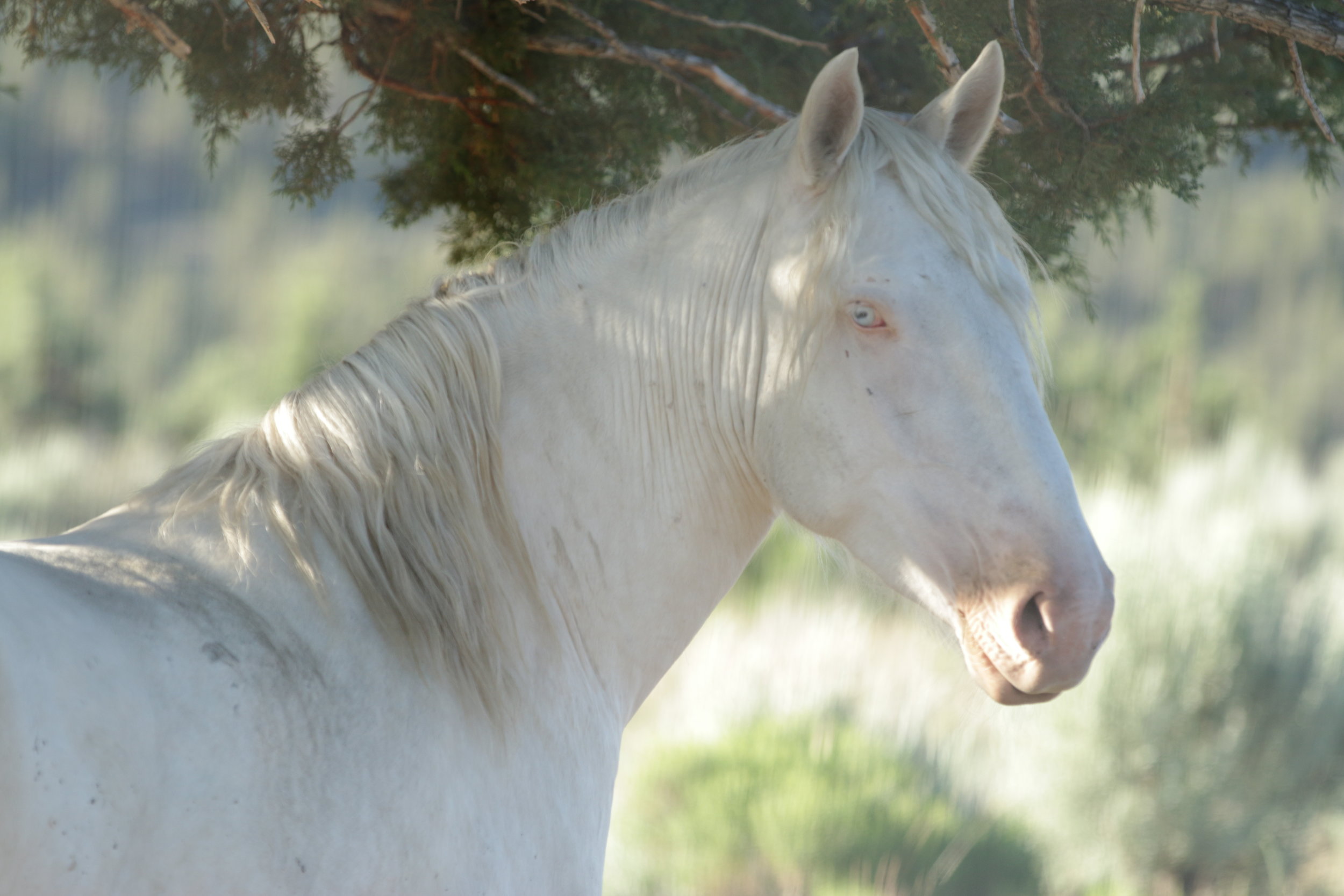
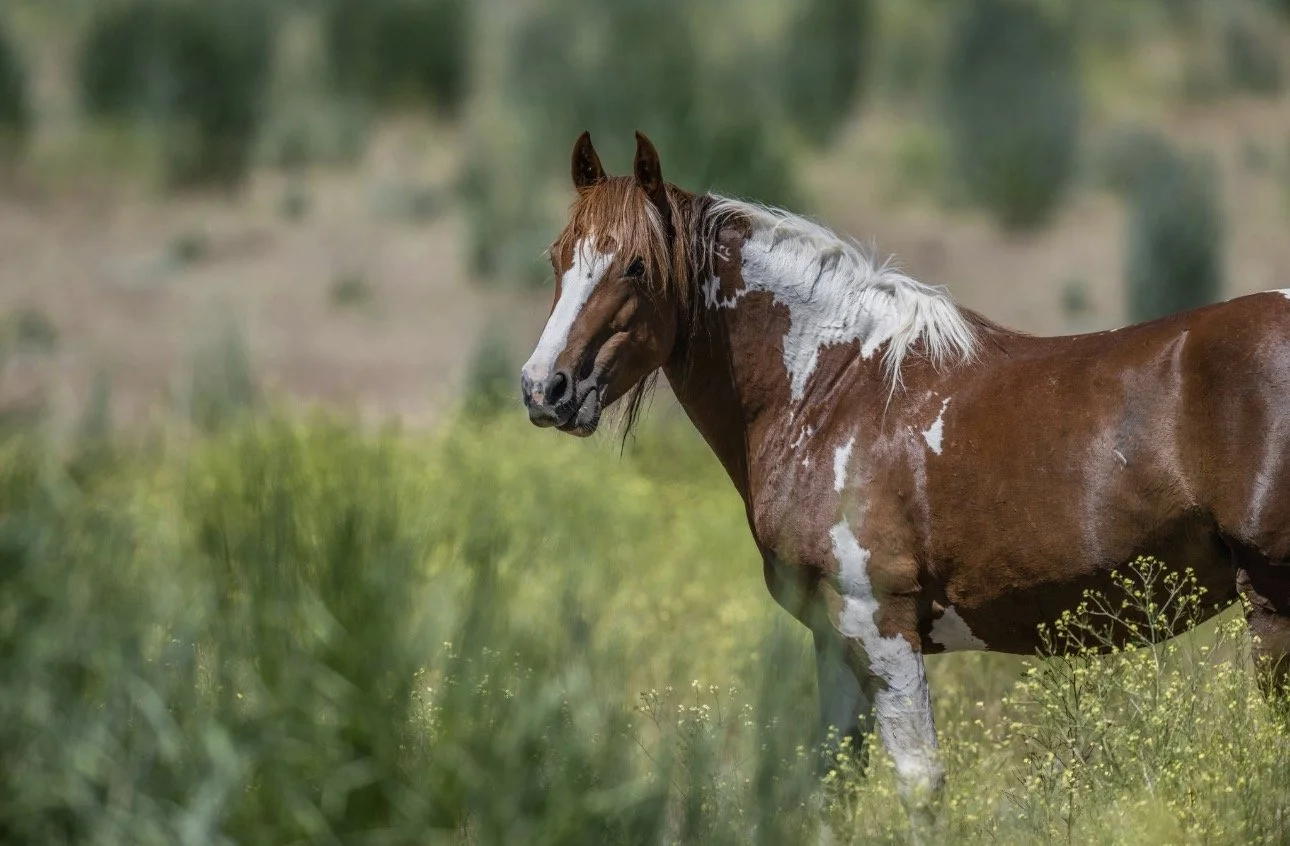
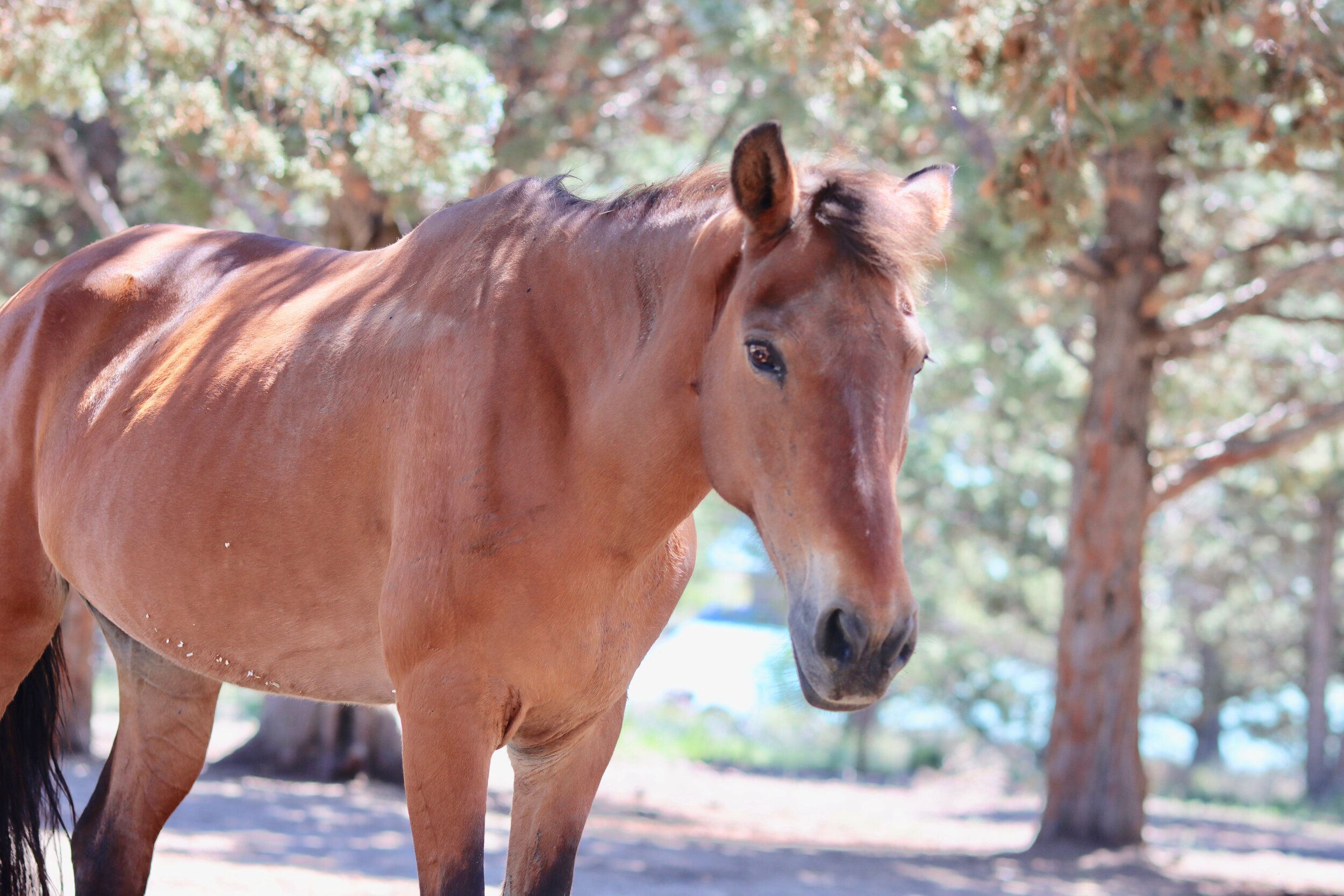
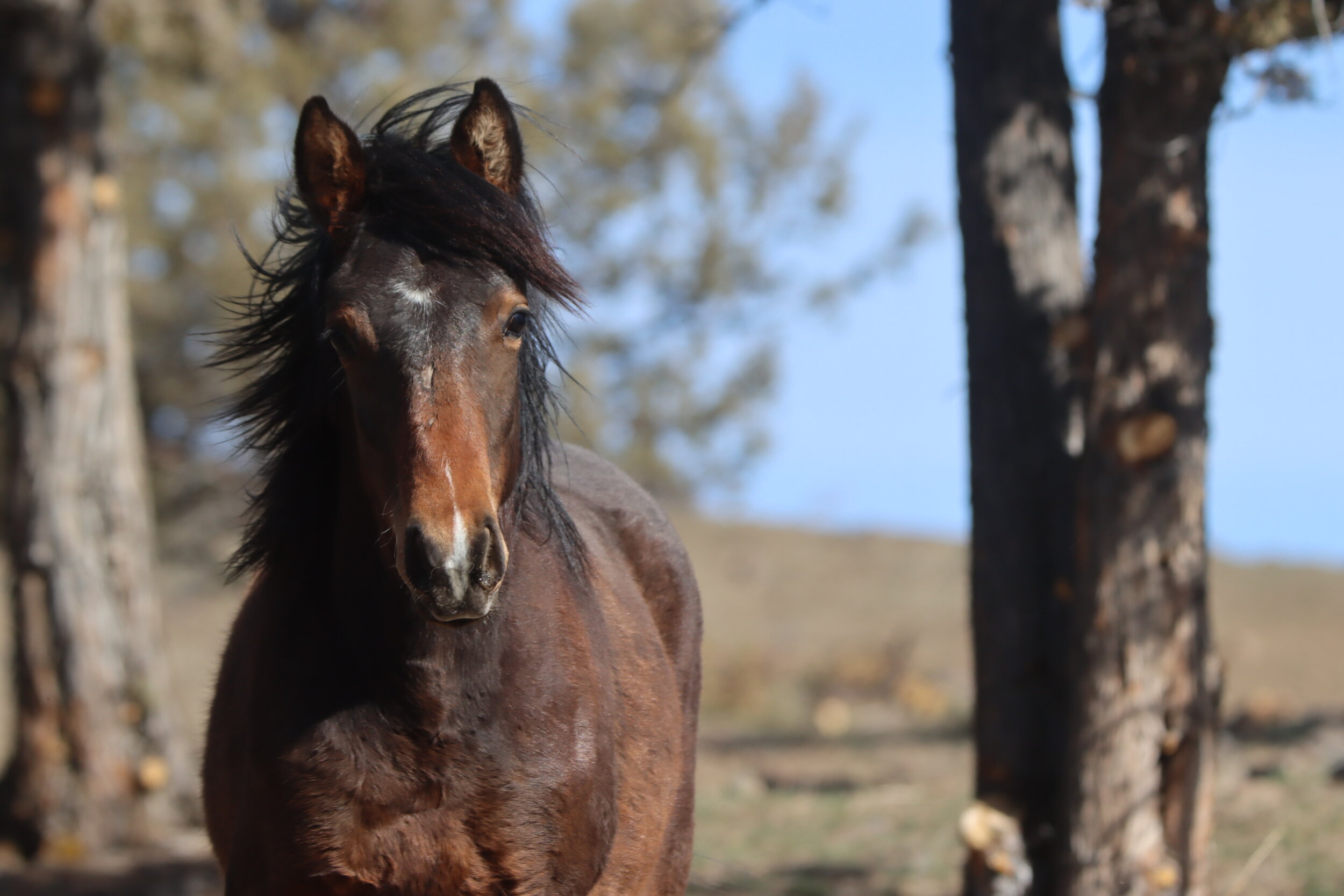
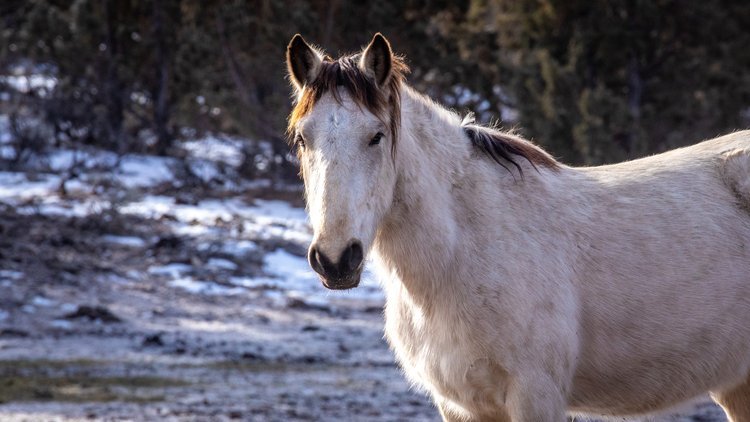
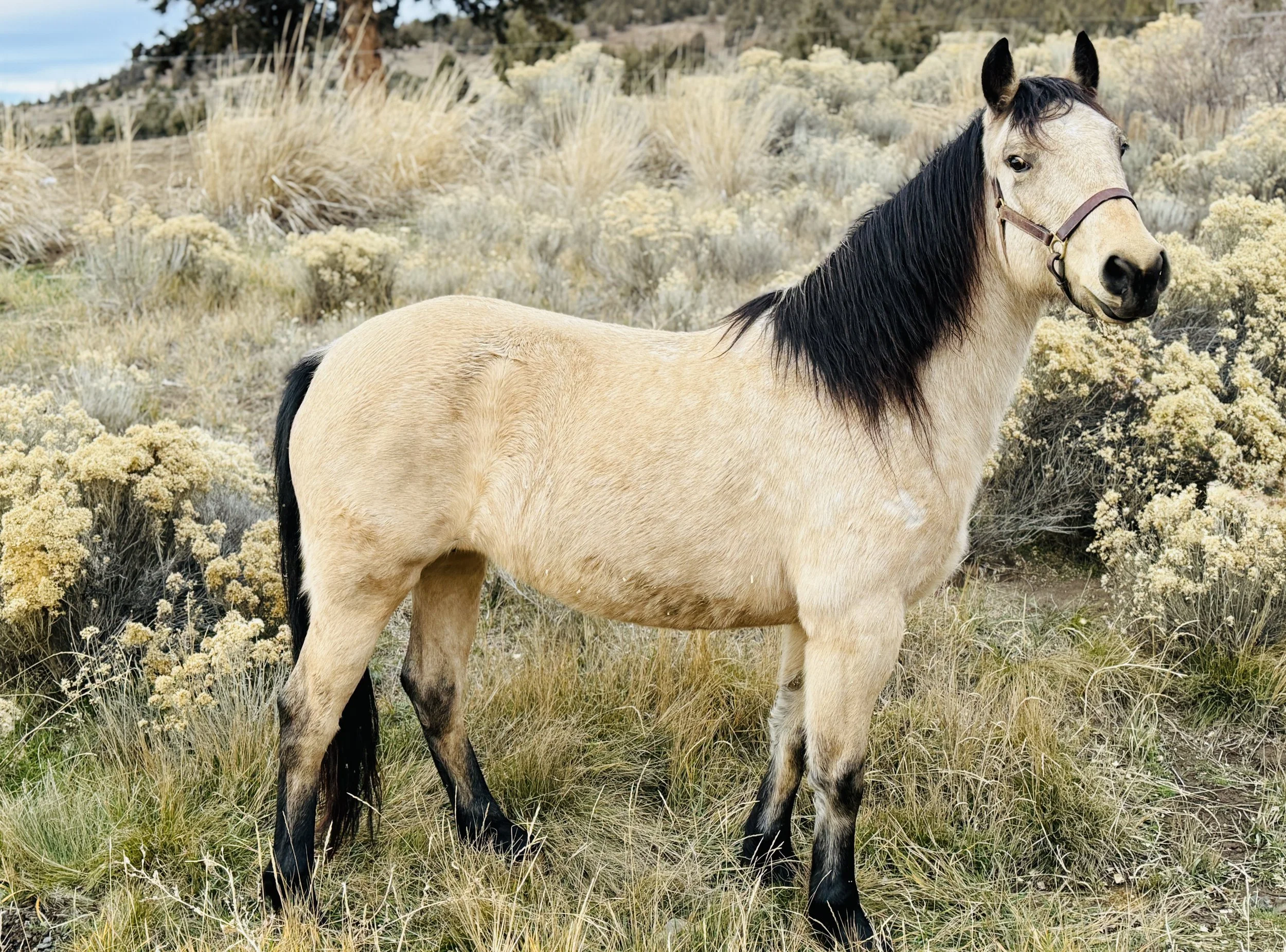
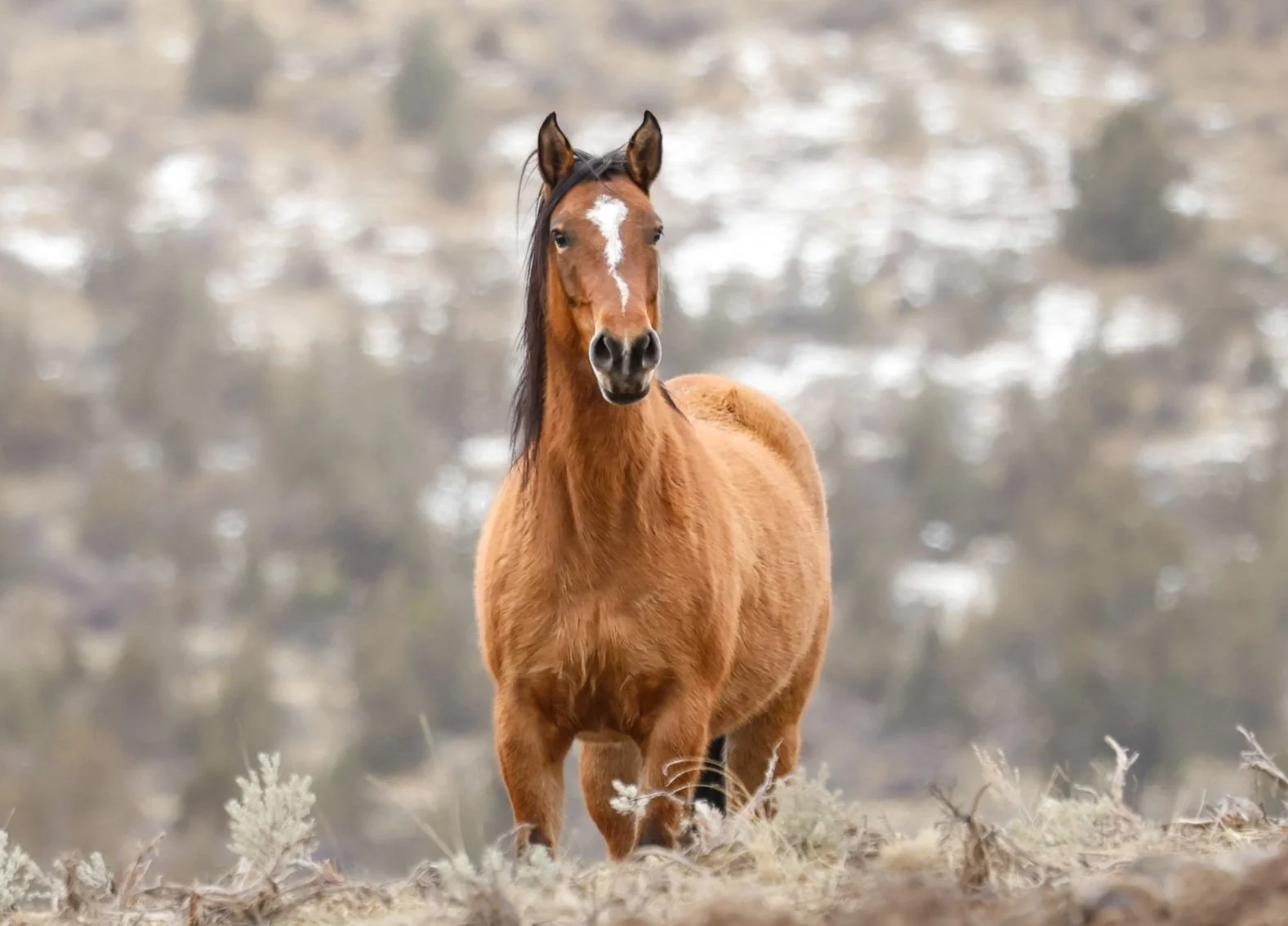
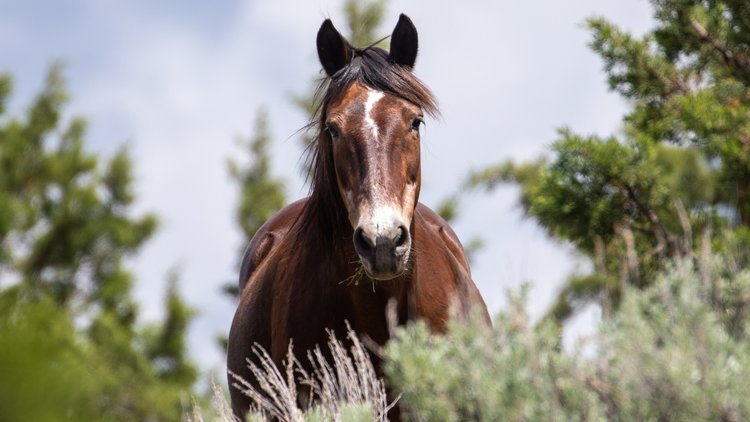
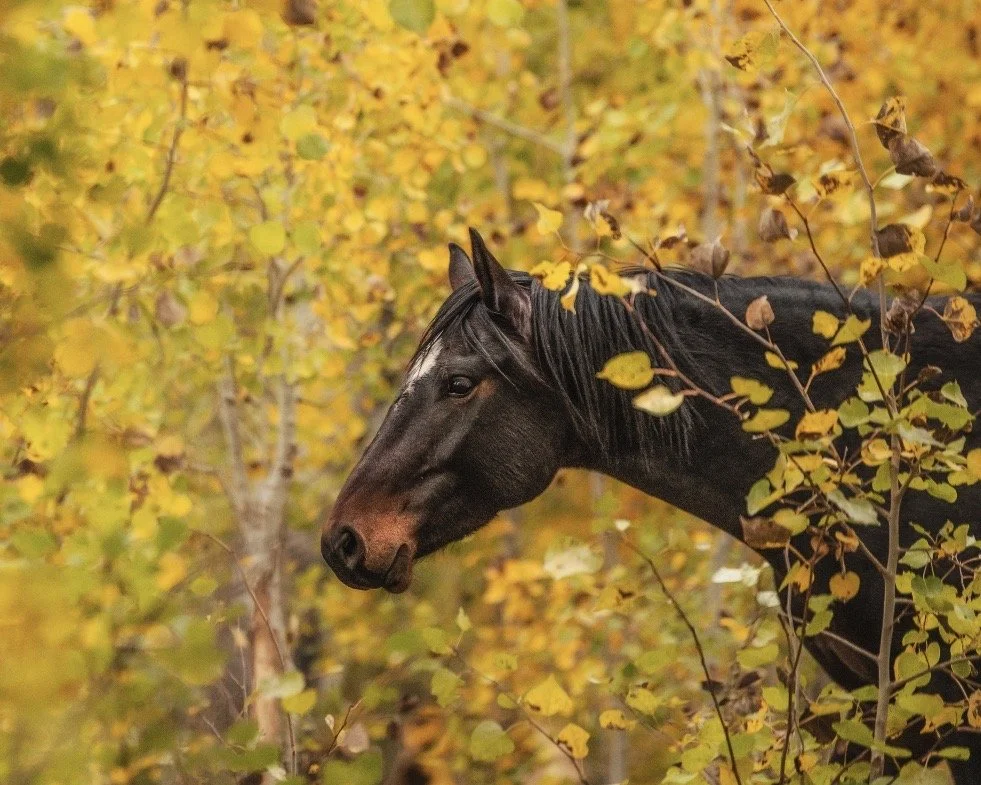
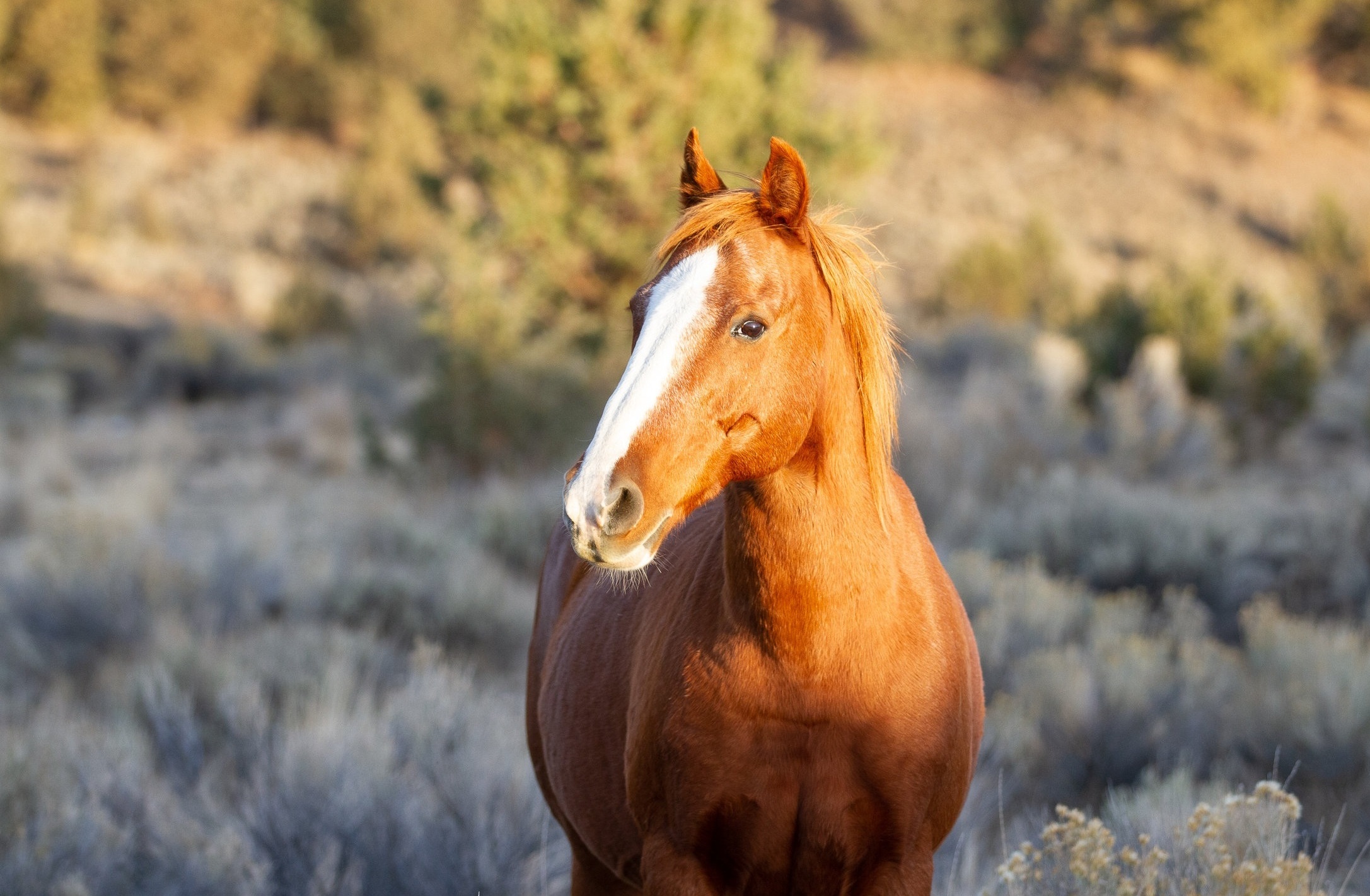
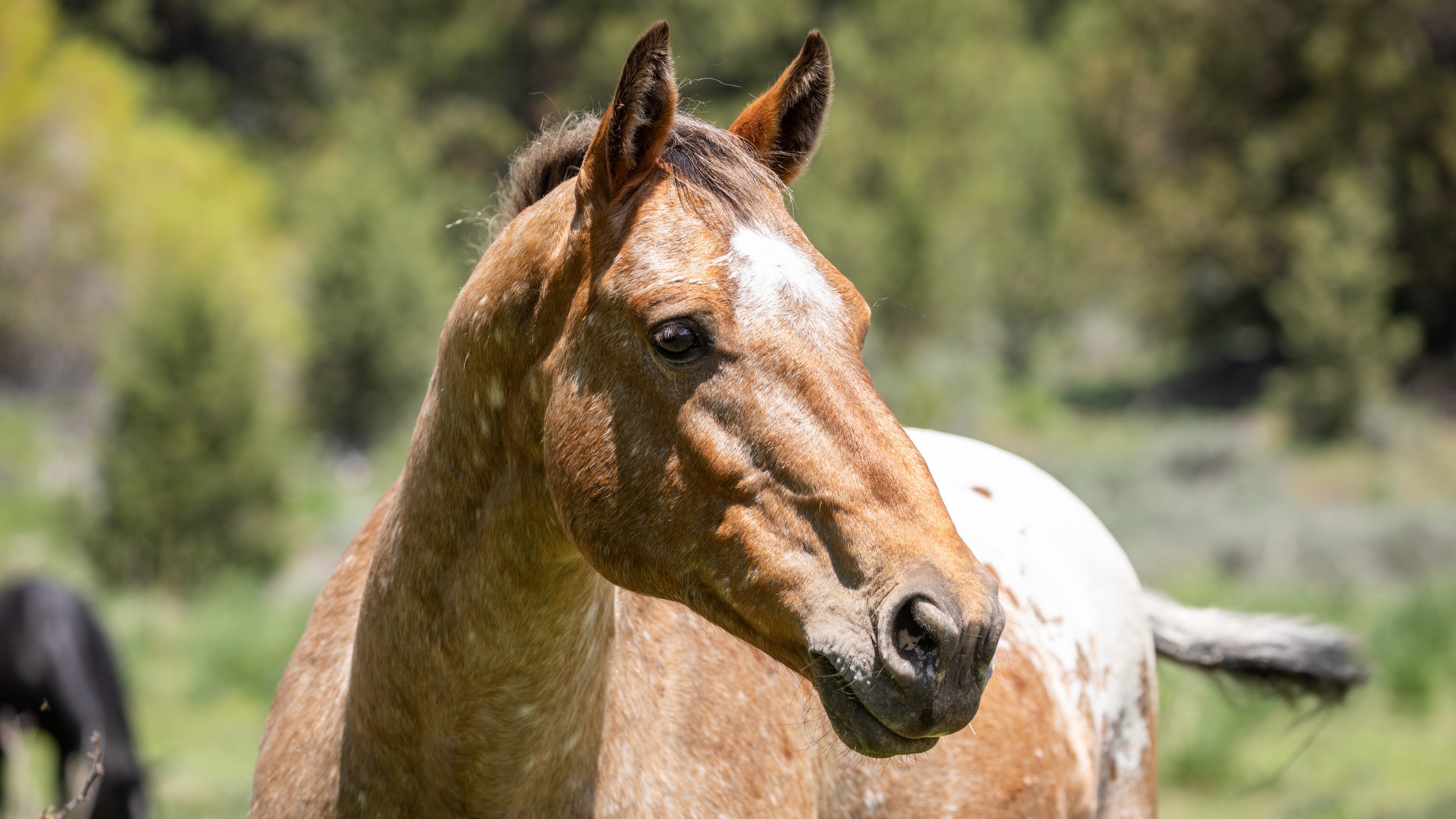
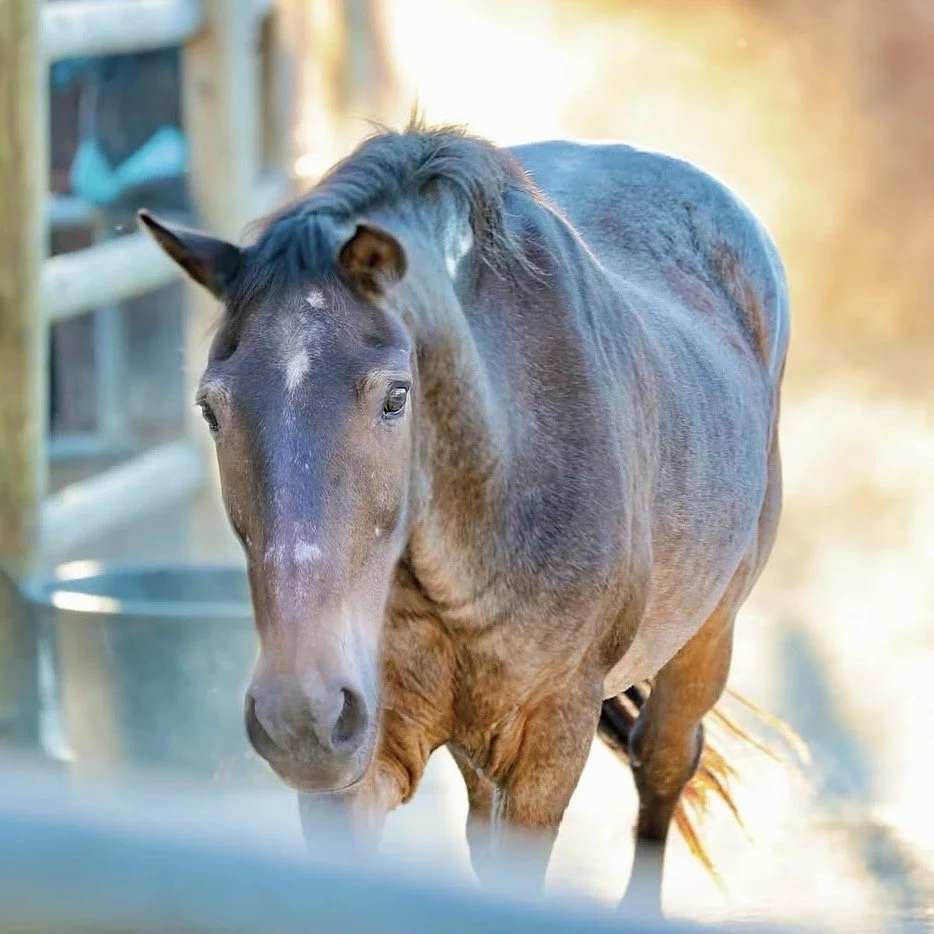
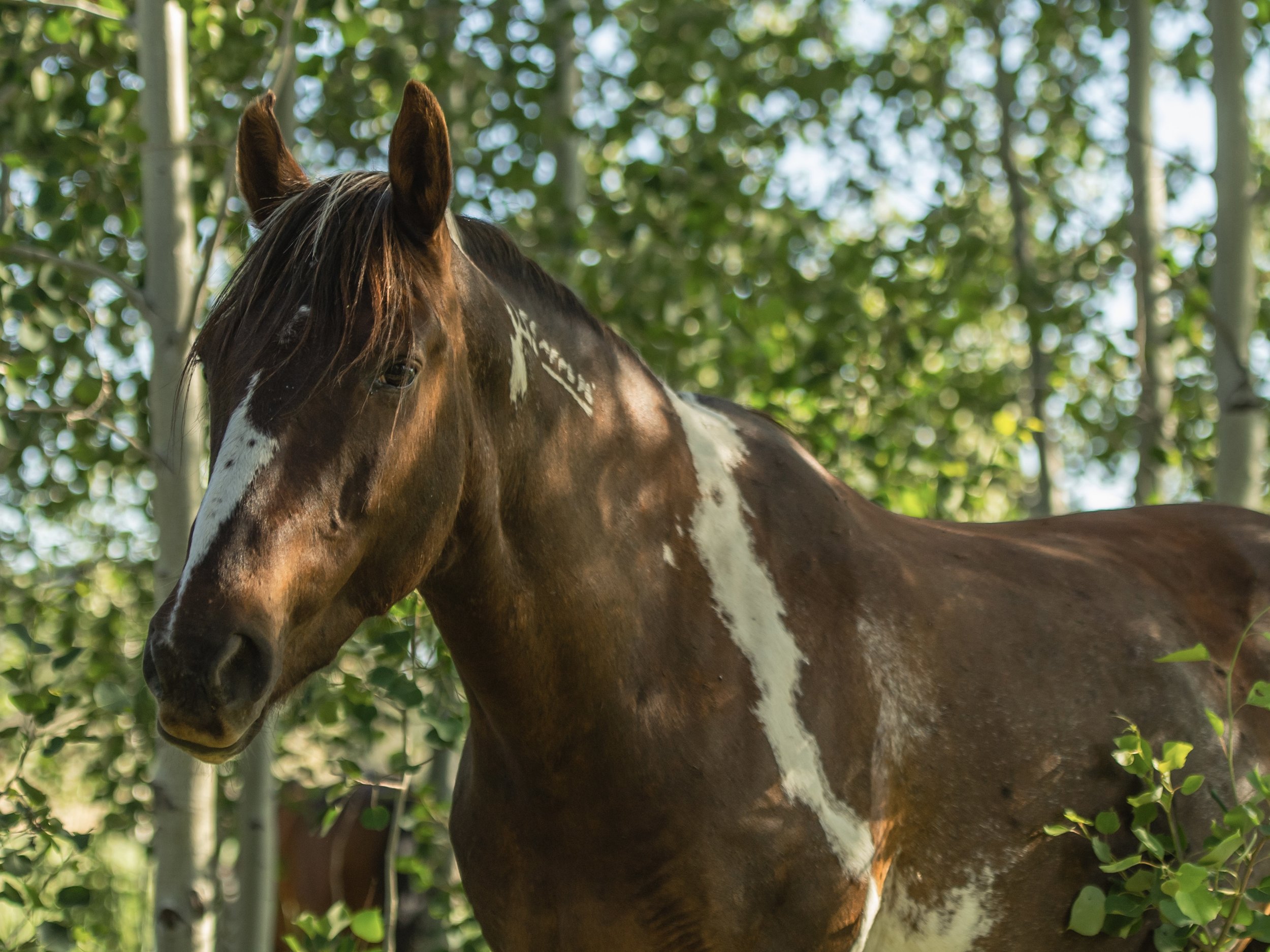
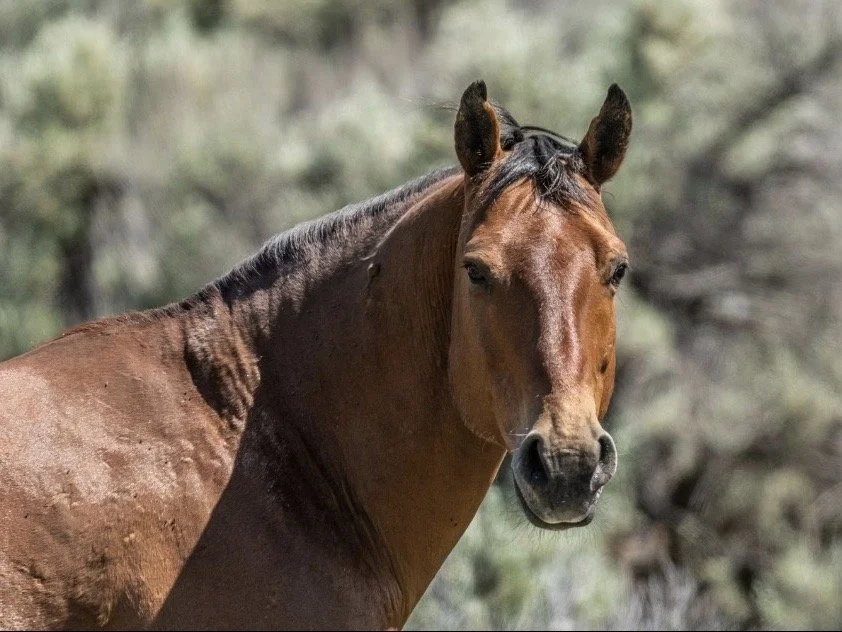
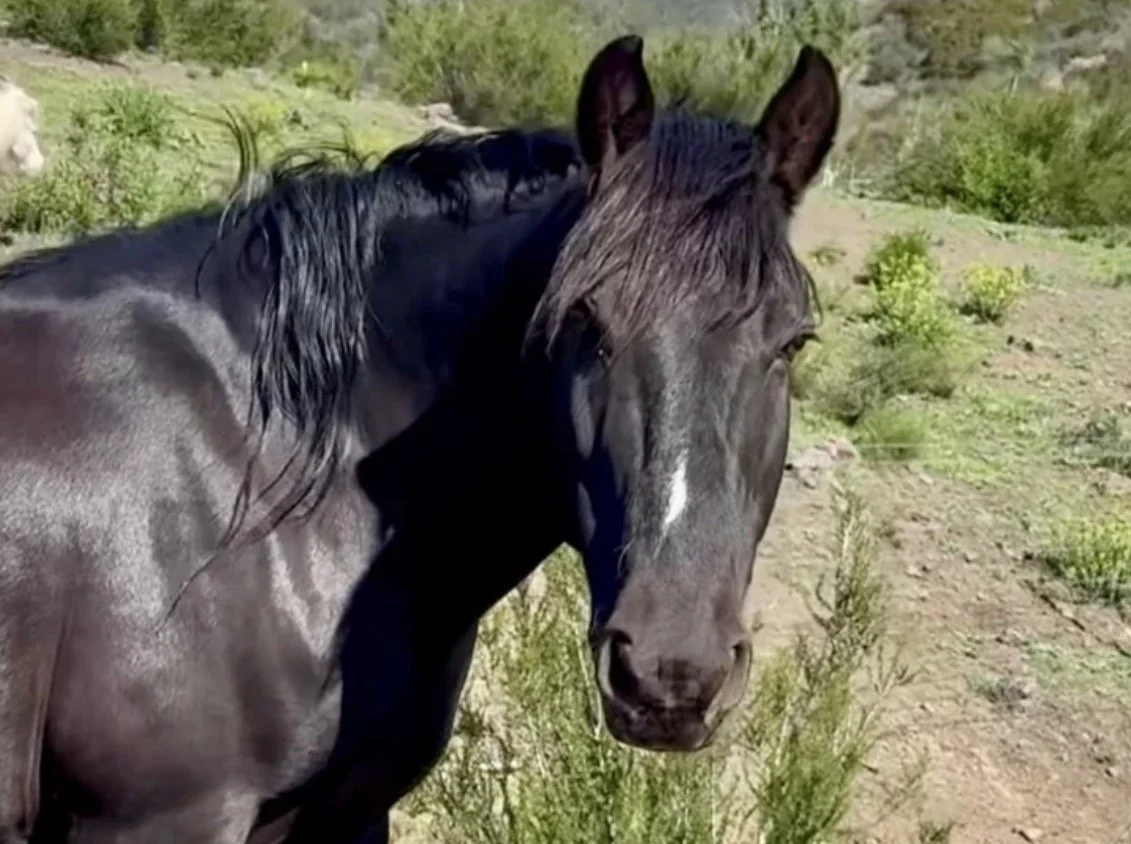
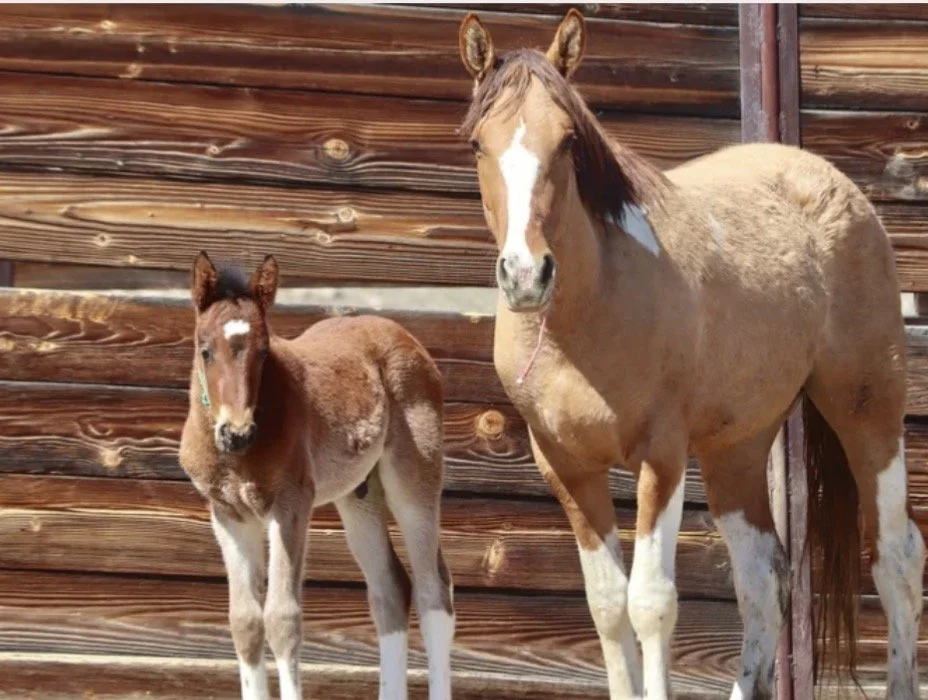
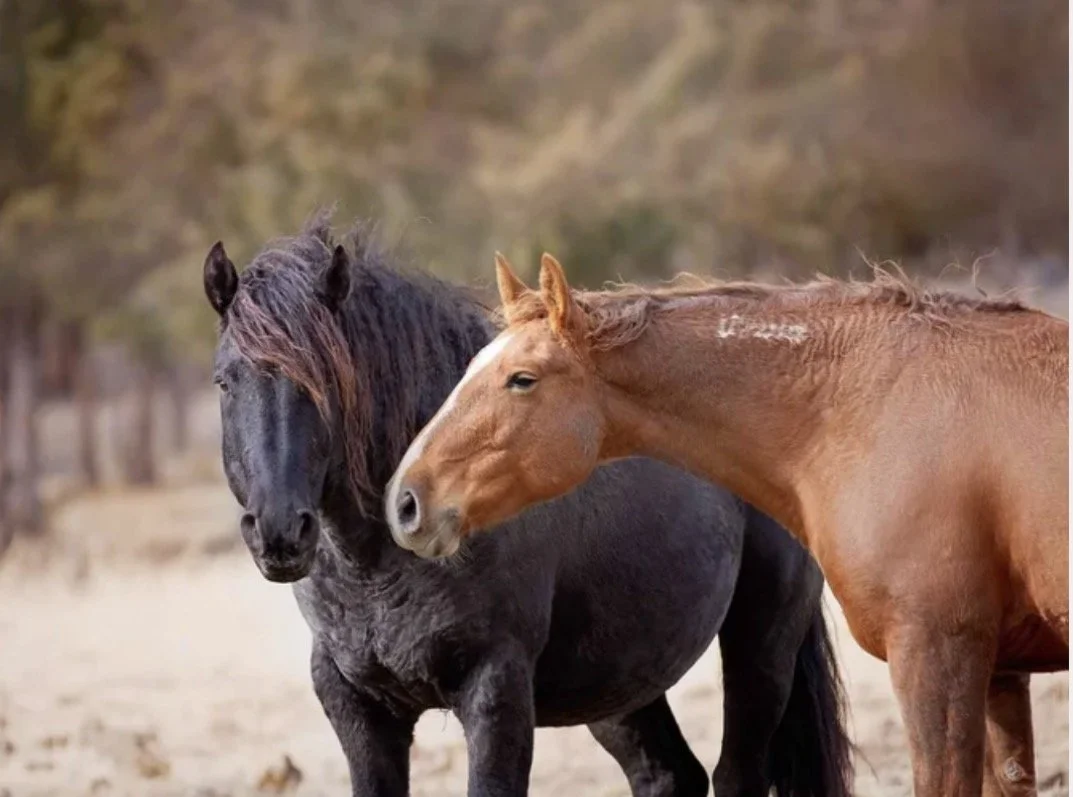
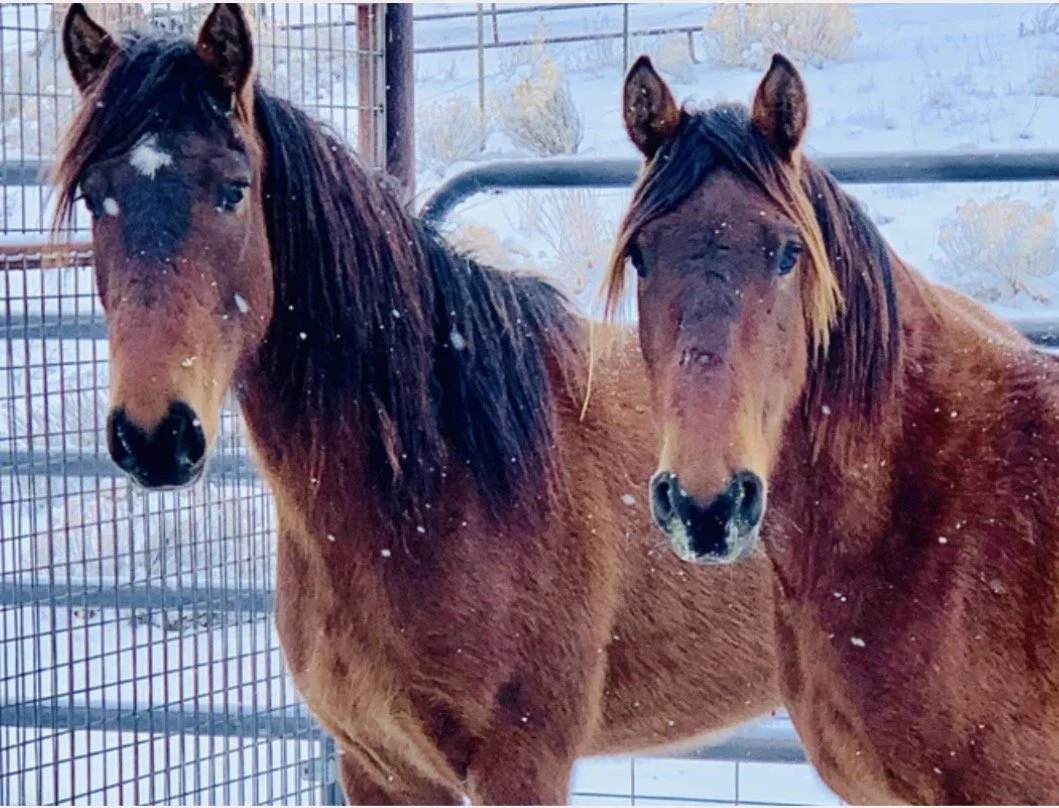
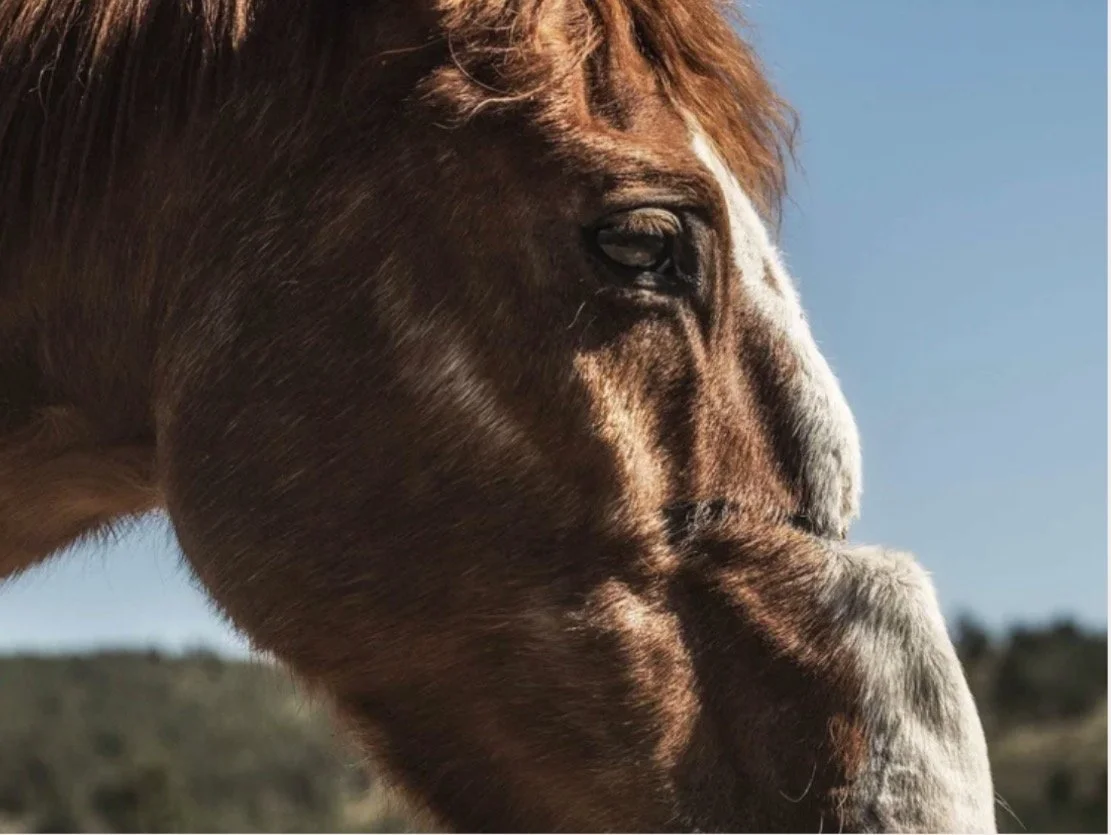
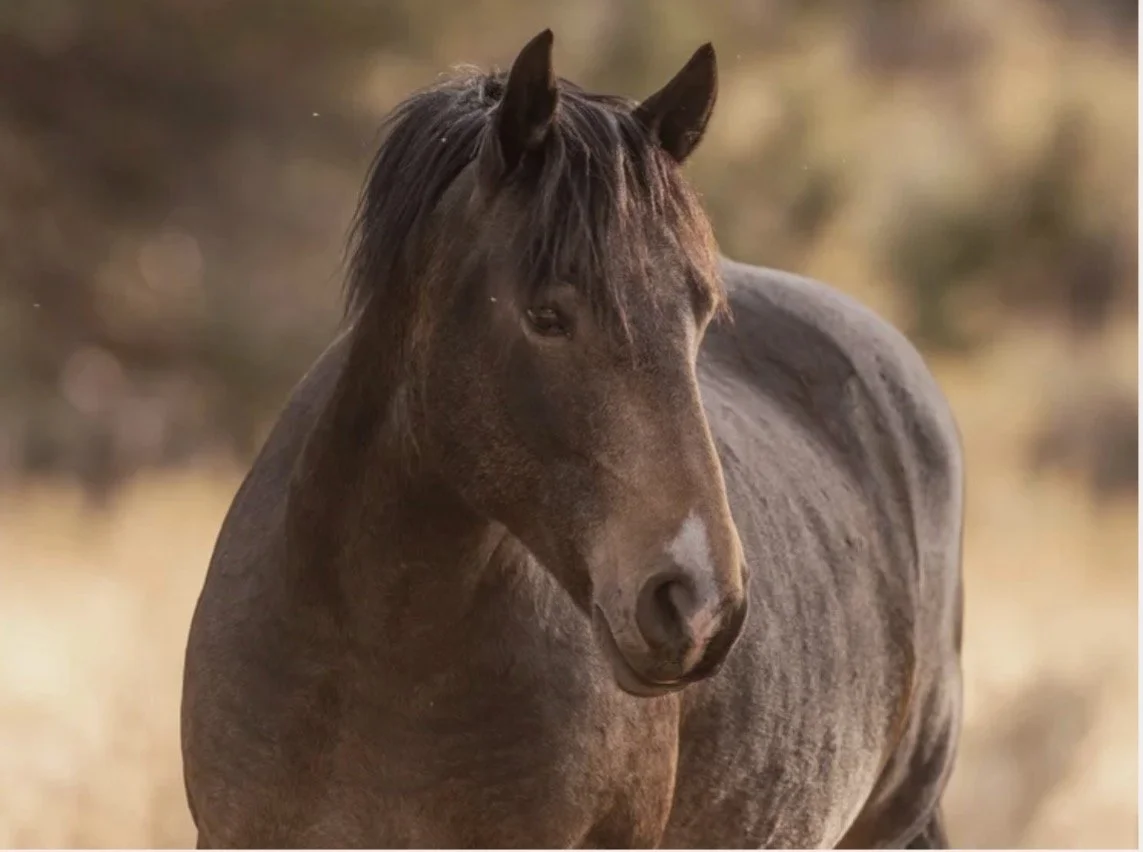
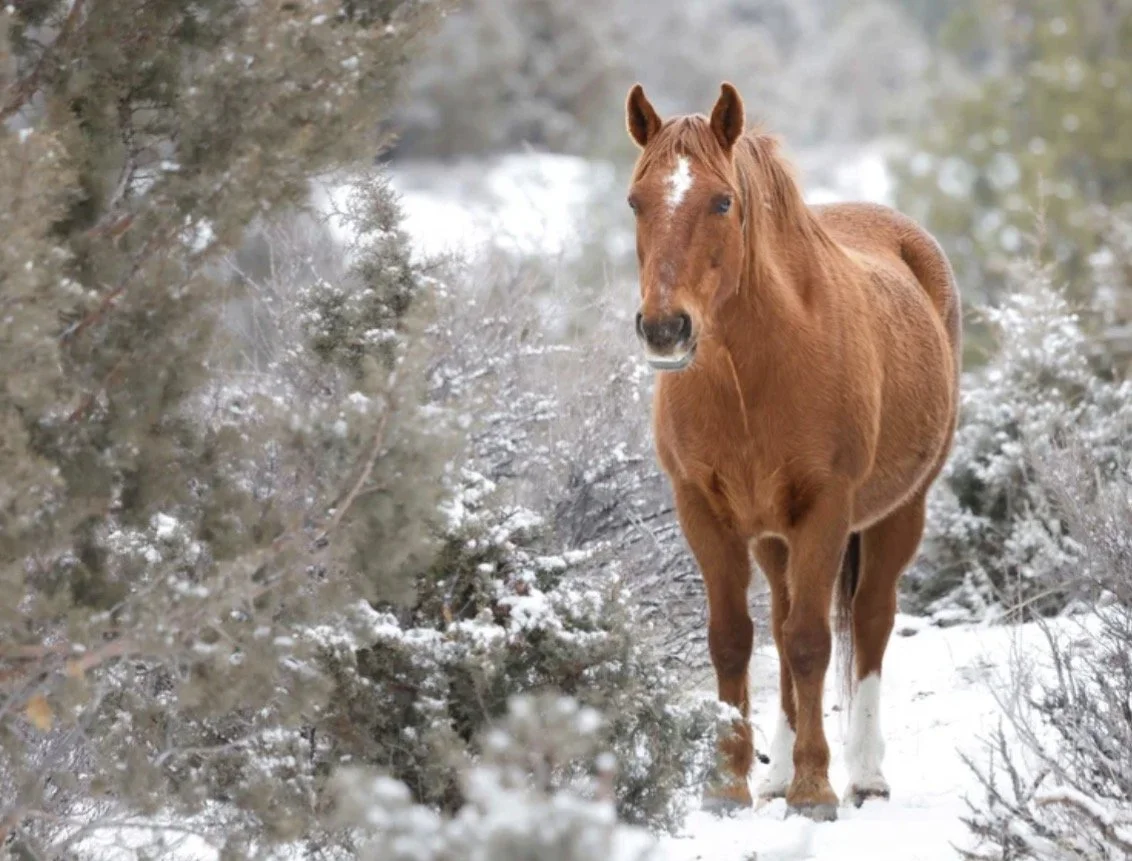
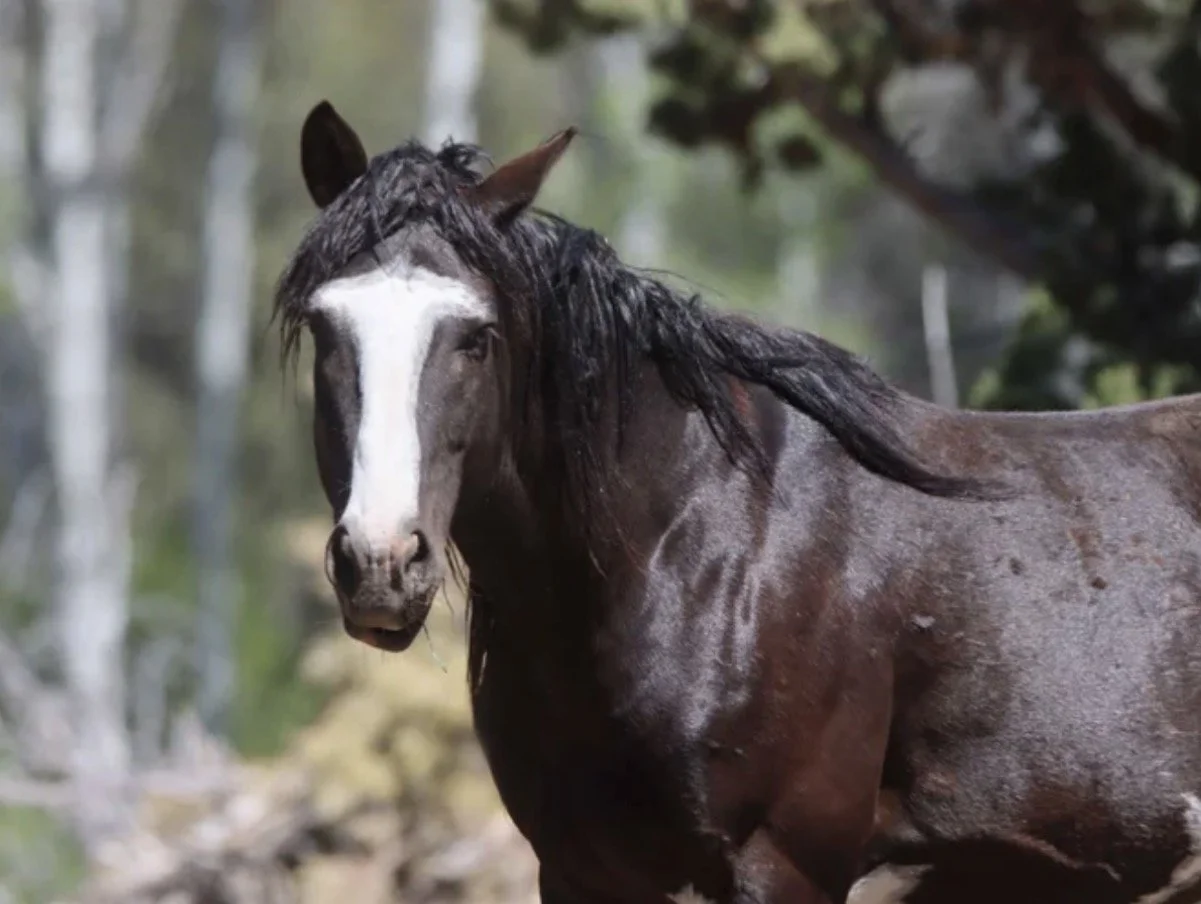
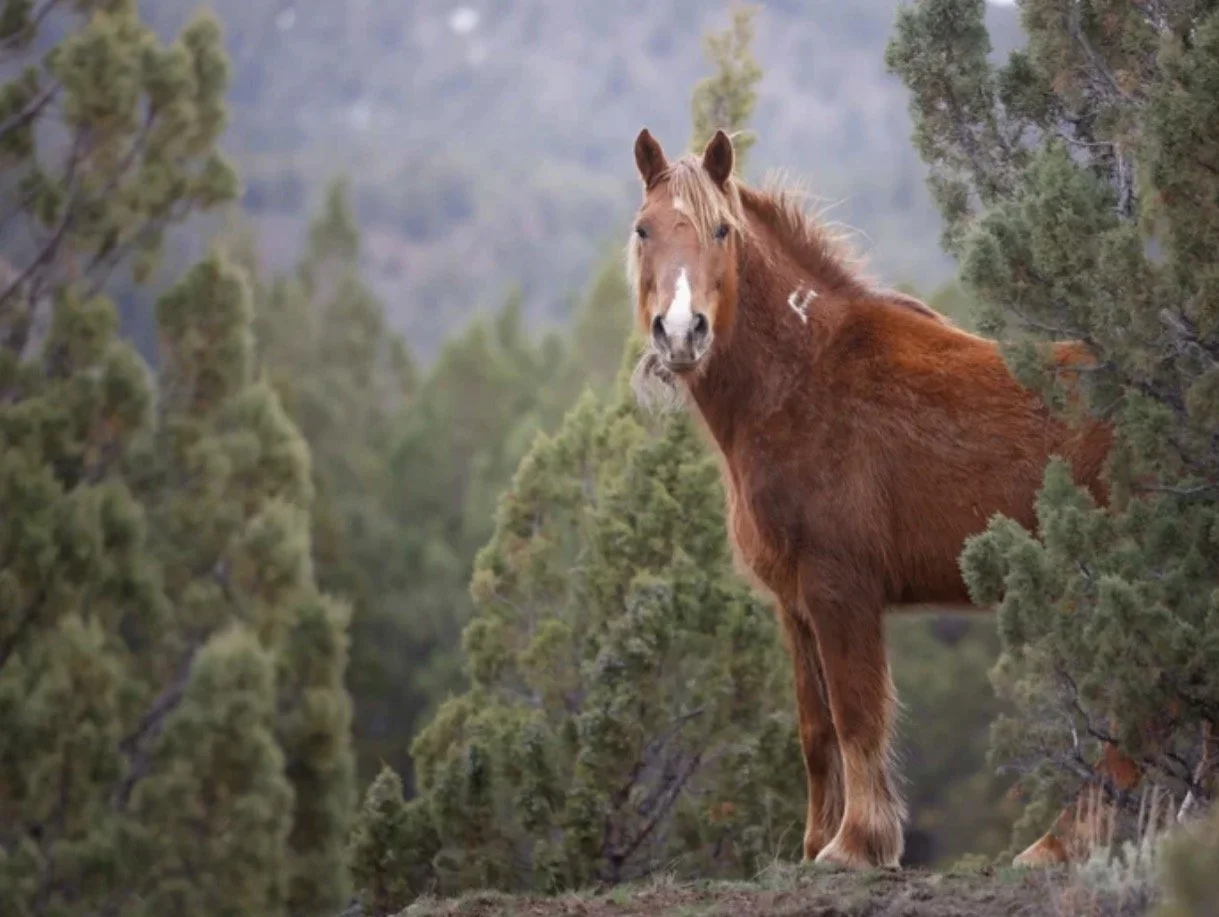
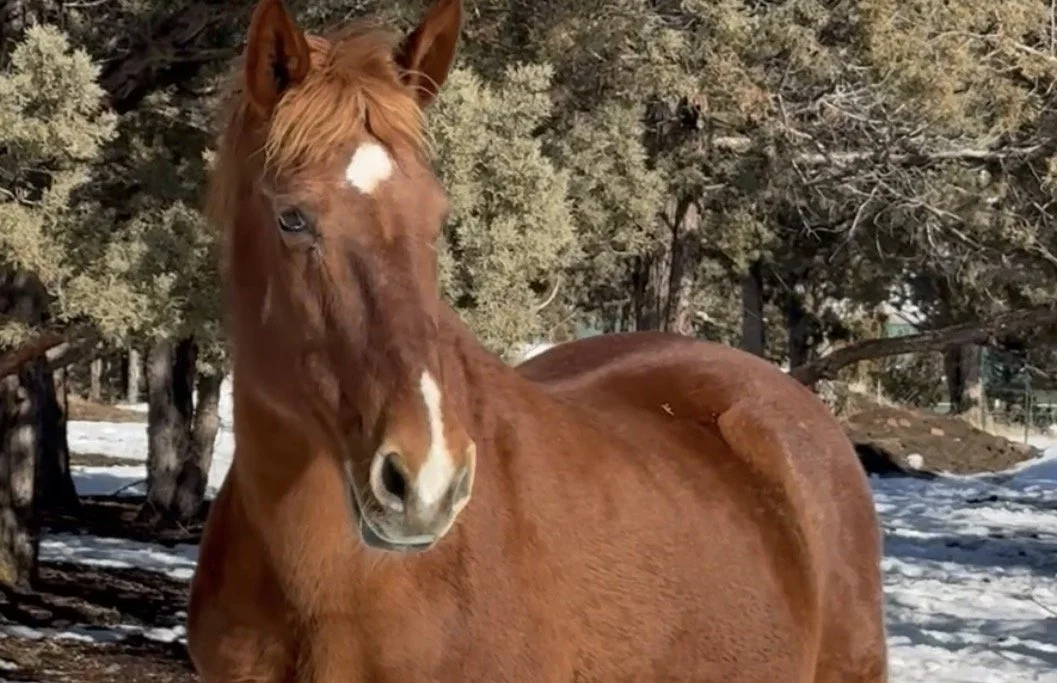
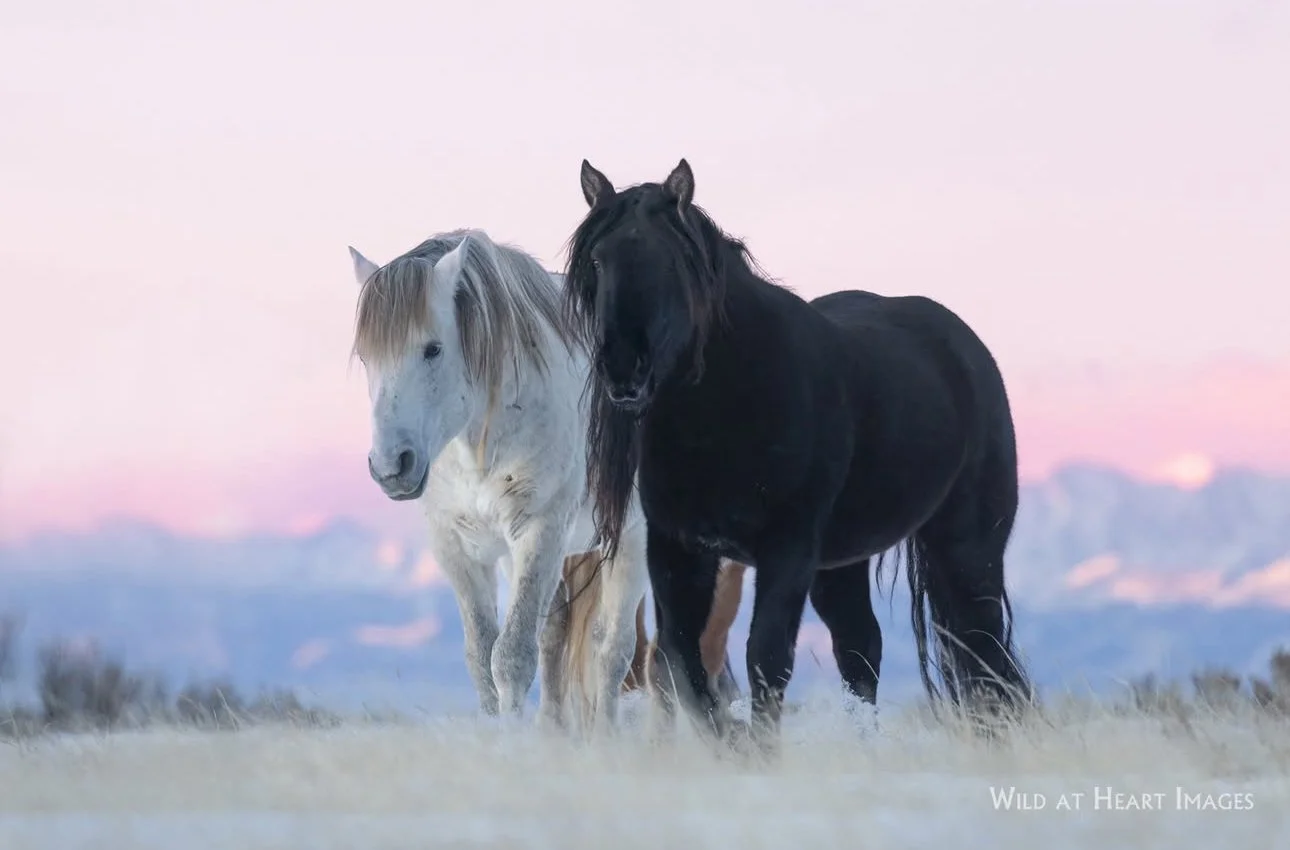
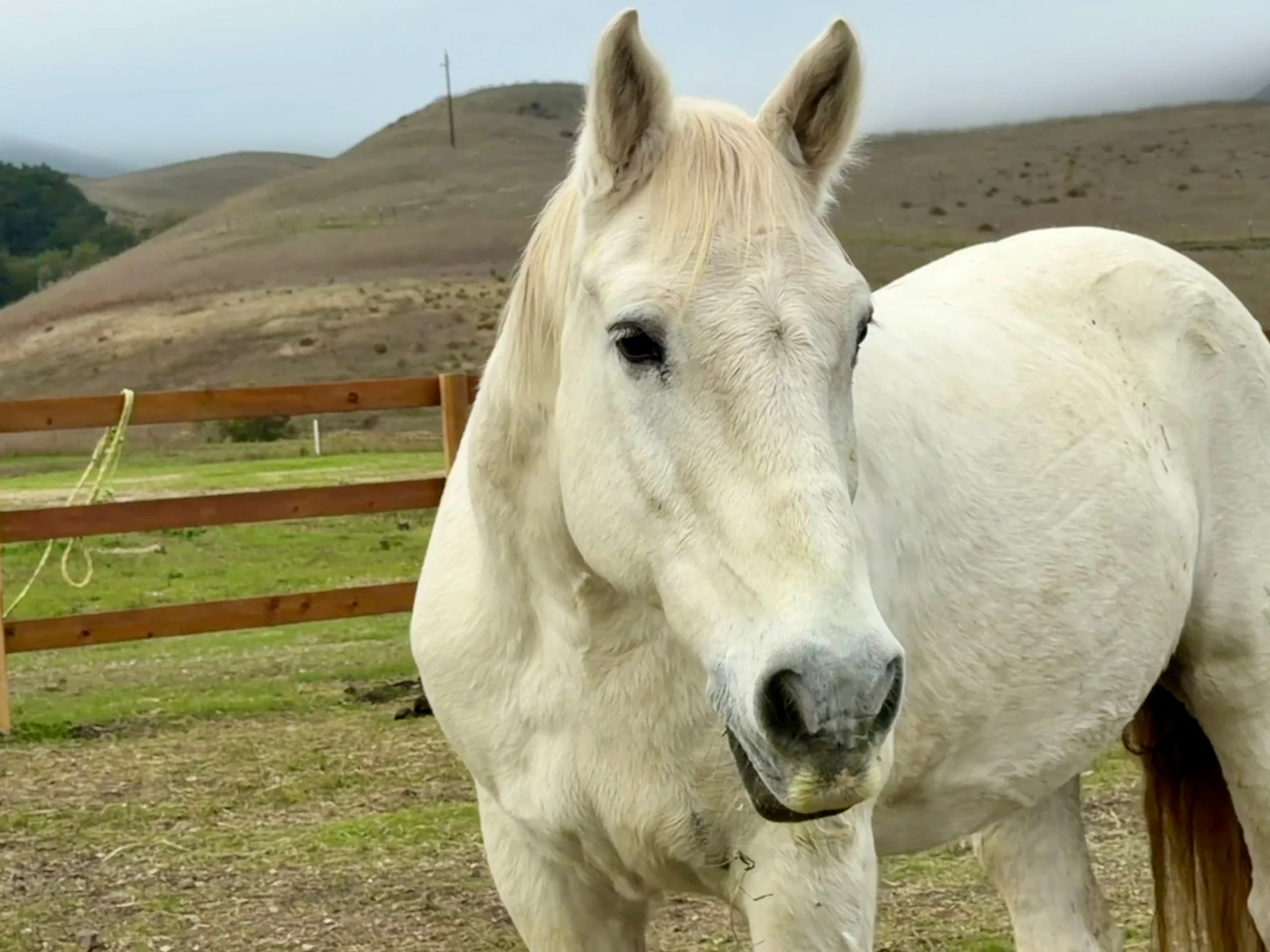
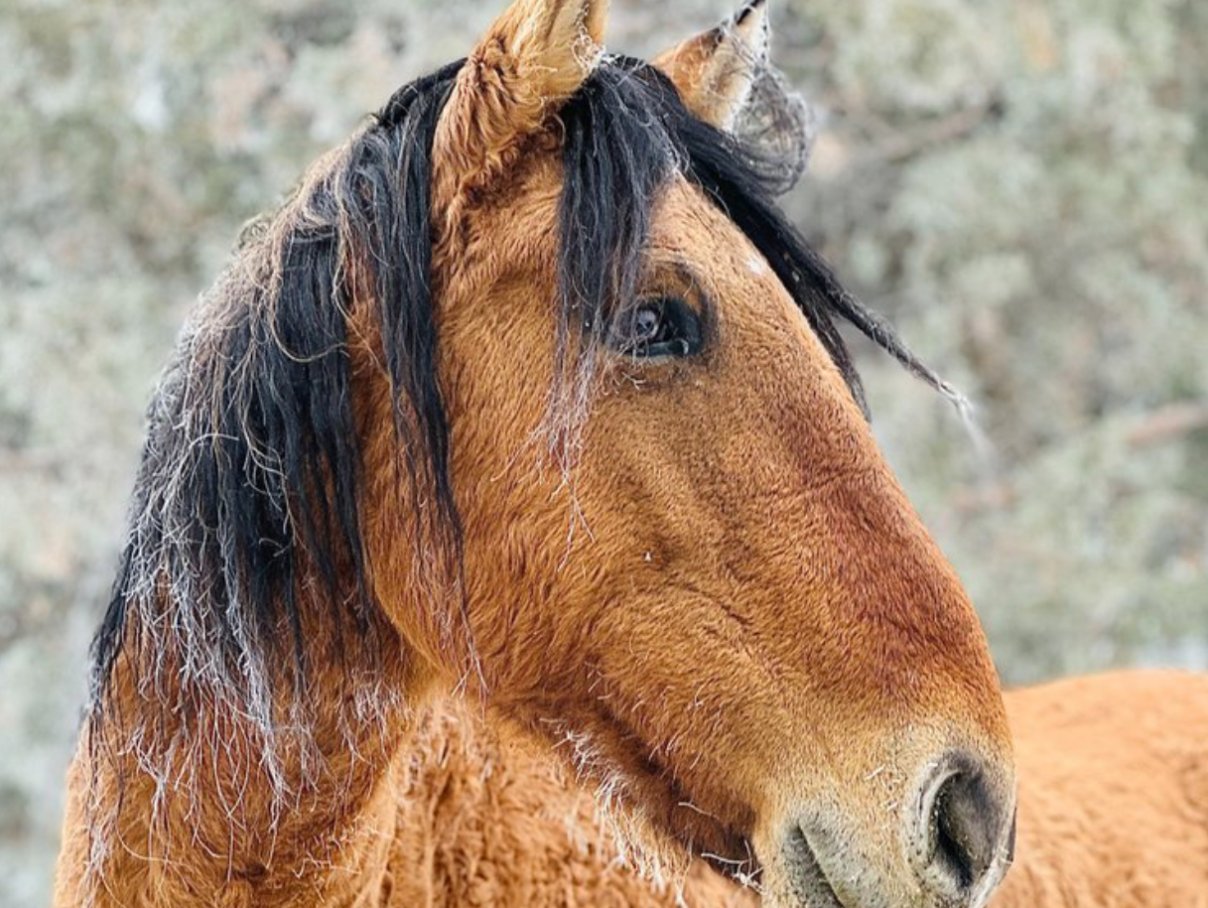
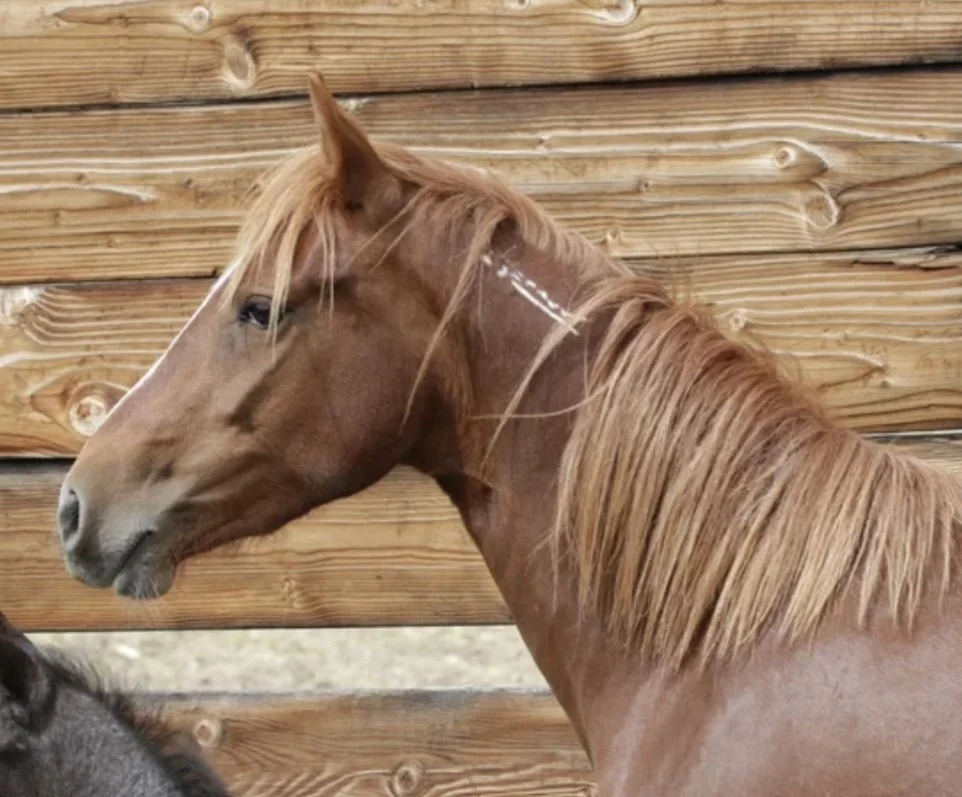
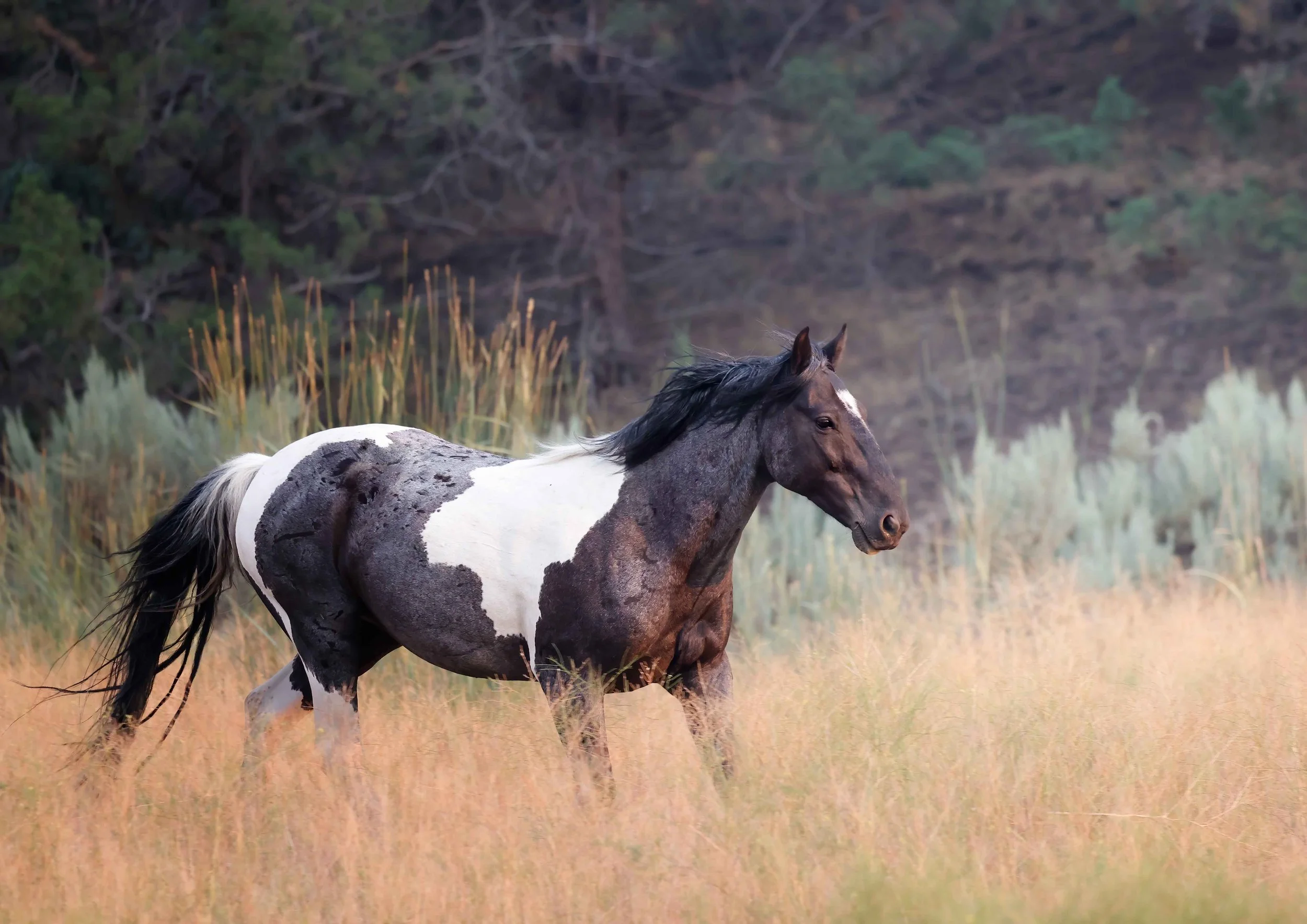
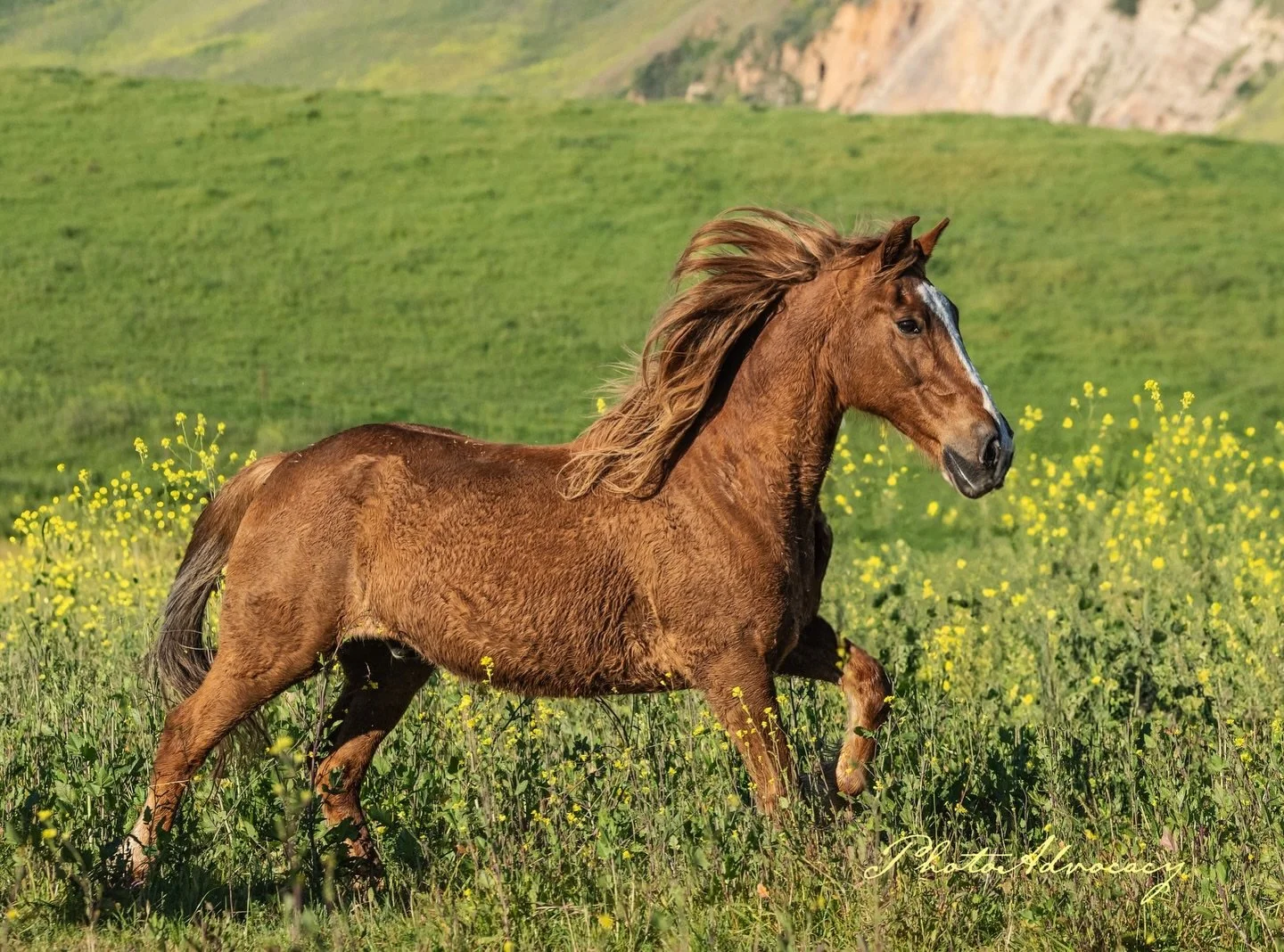
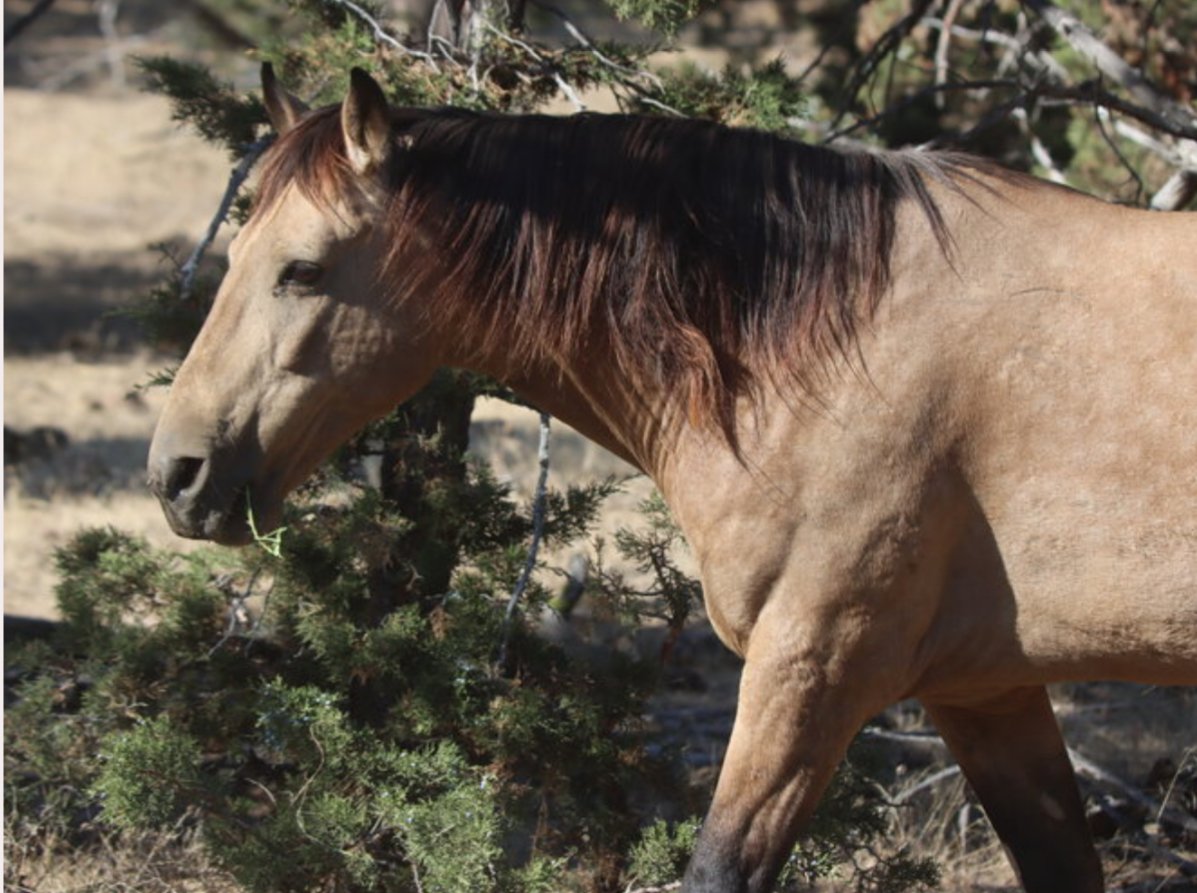
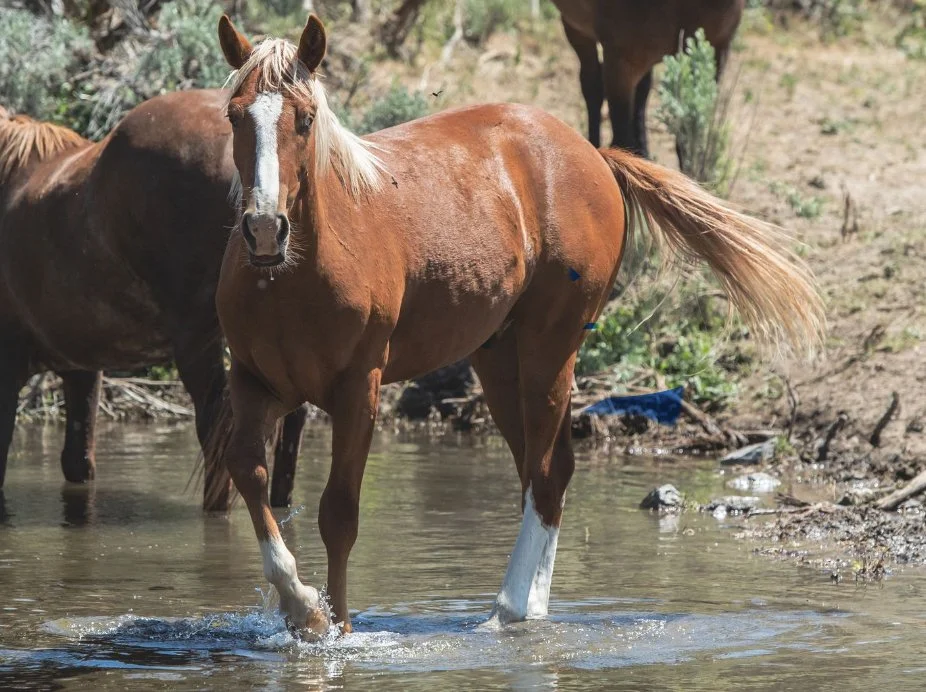
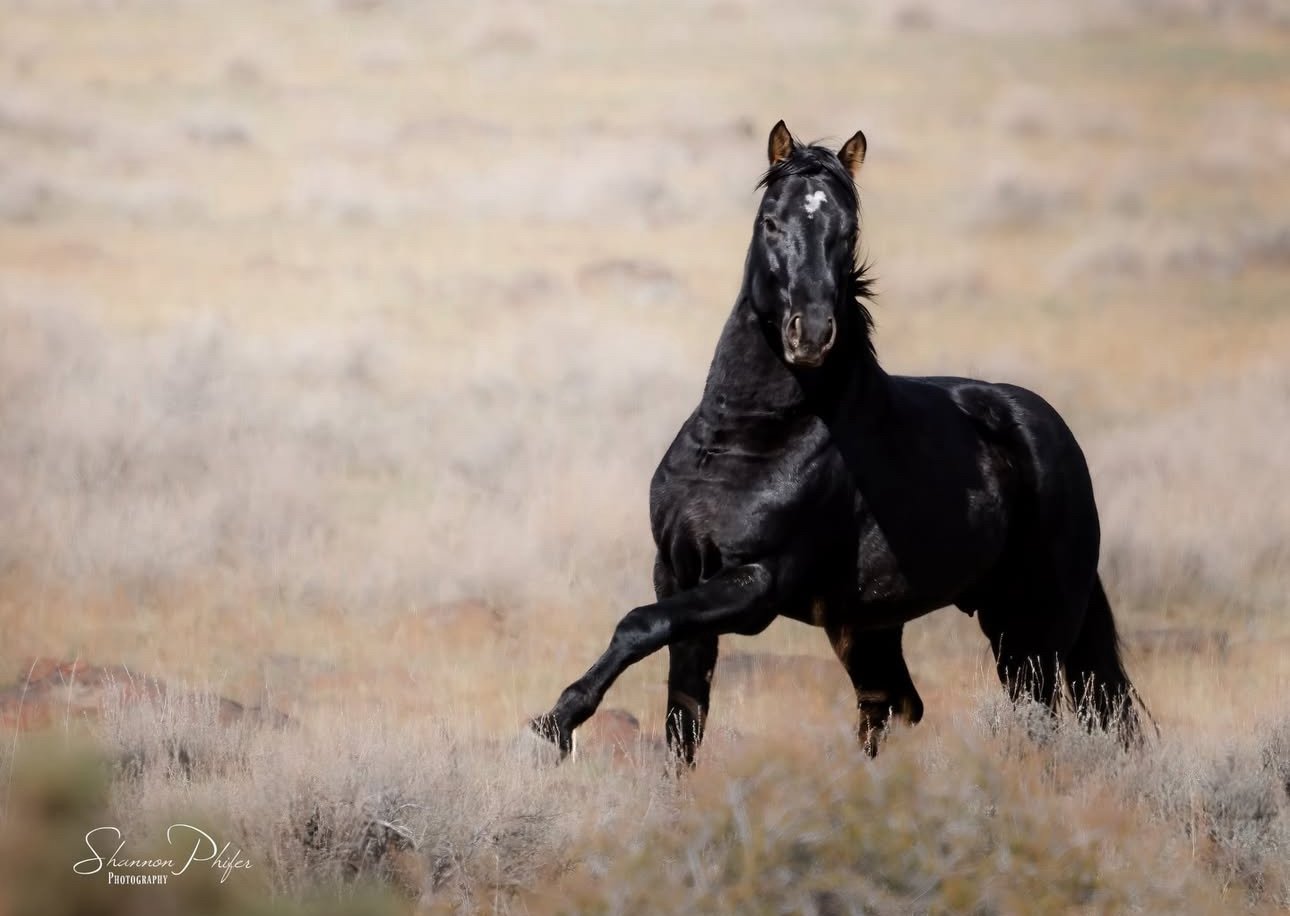
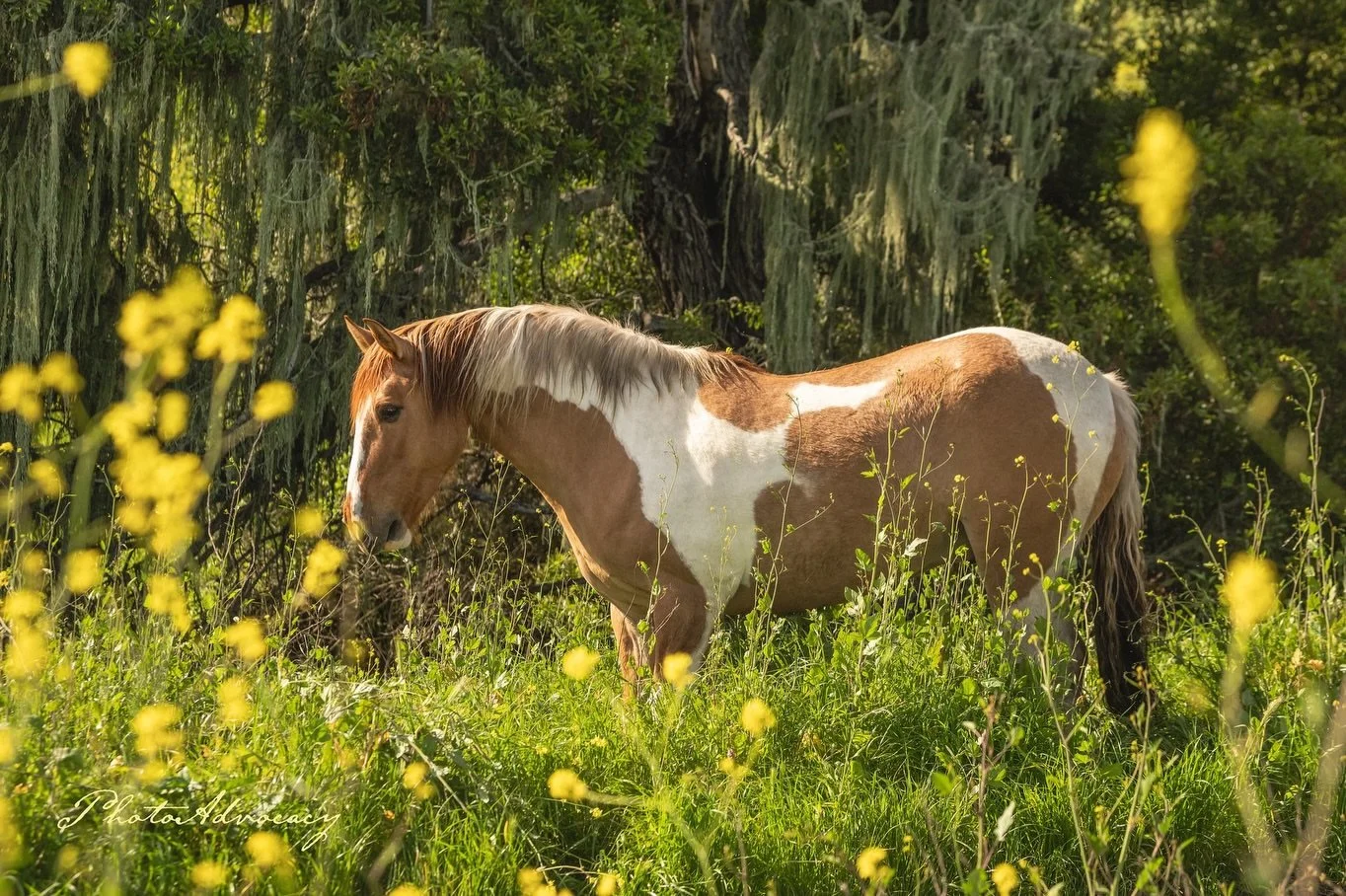
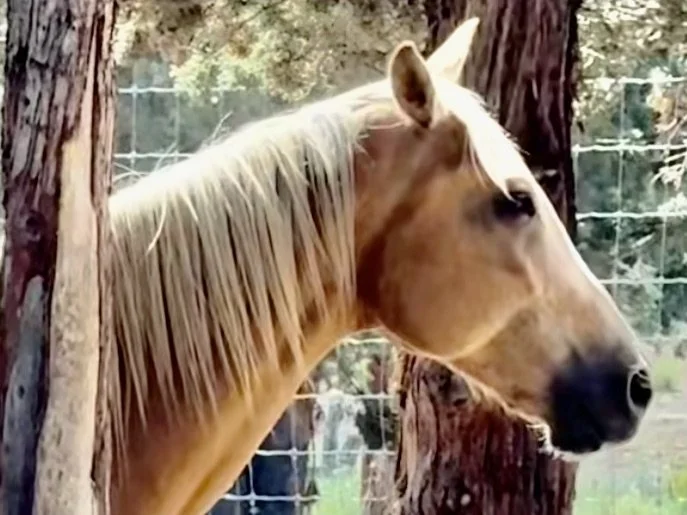
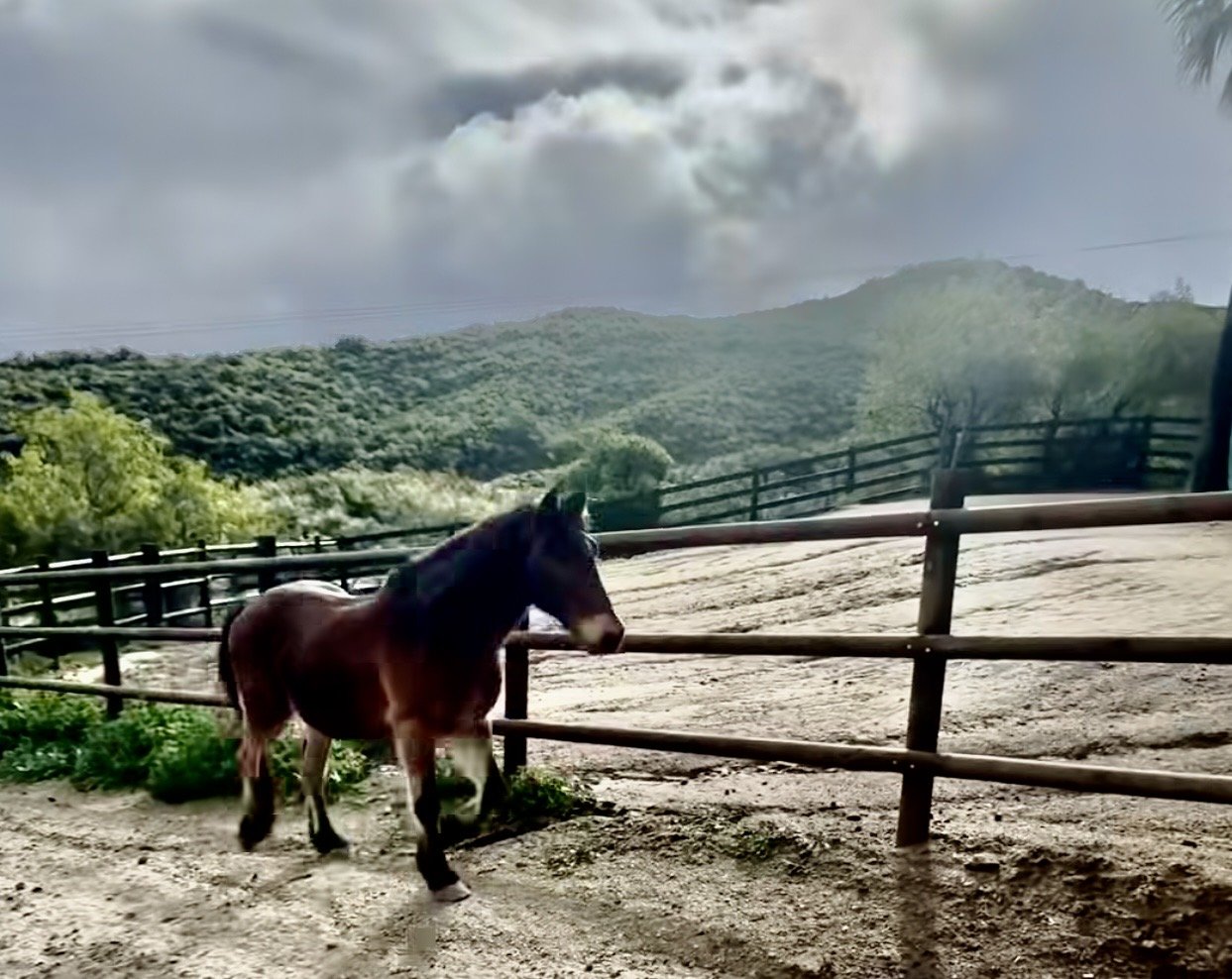
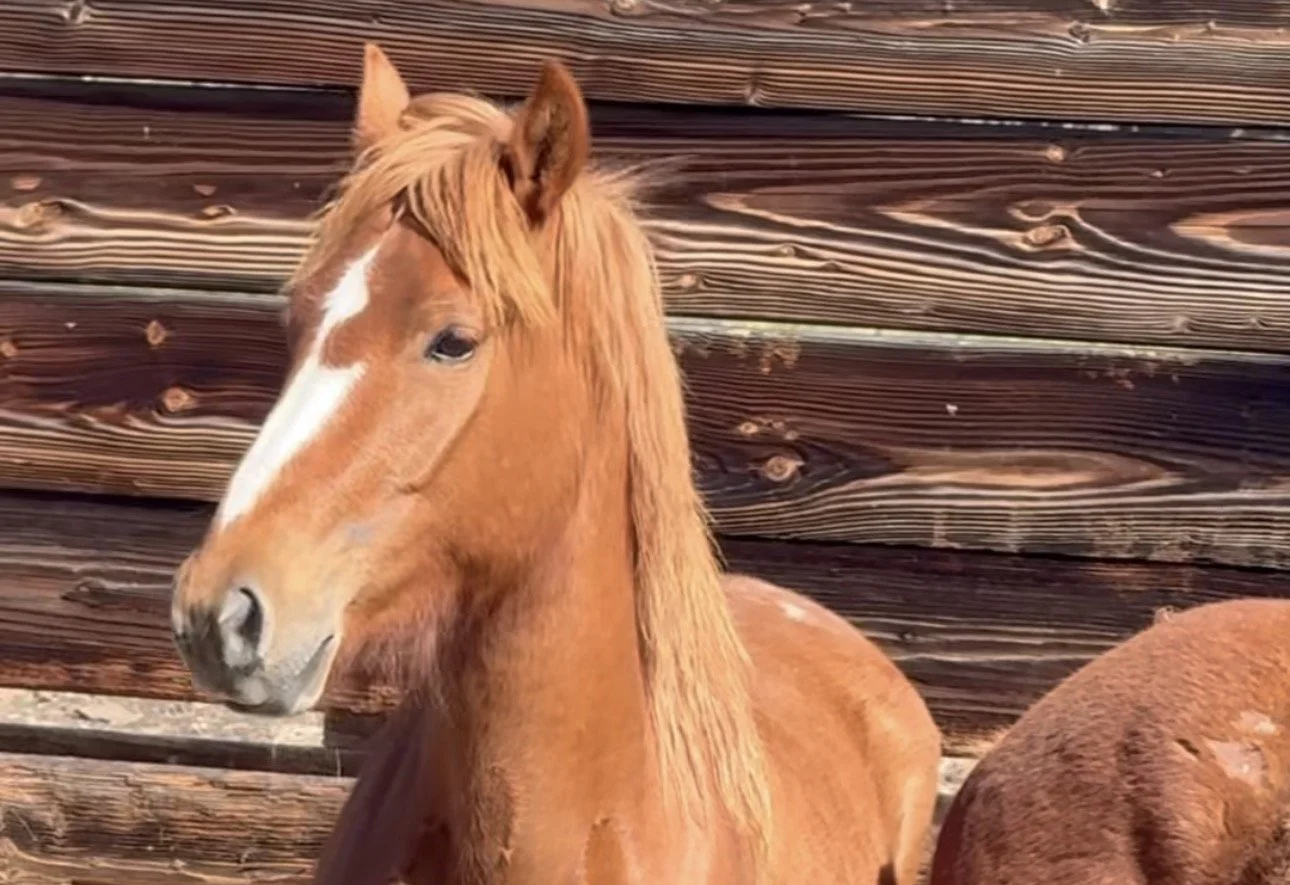
THERE ARE OVER 250 HORSES AND 50 DONKEYS HERE AT SKYDOG
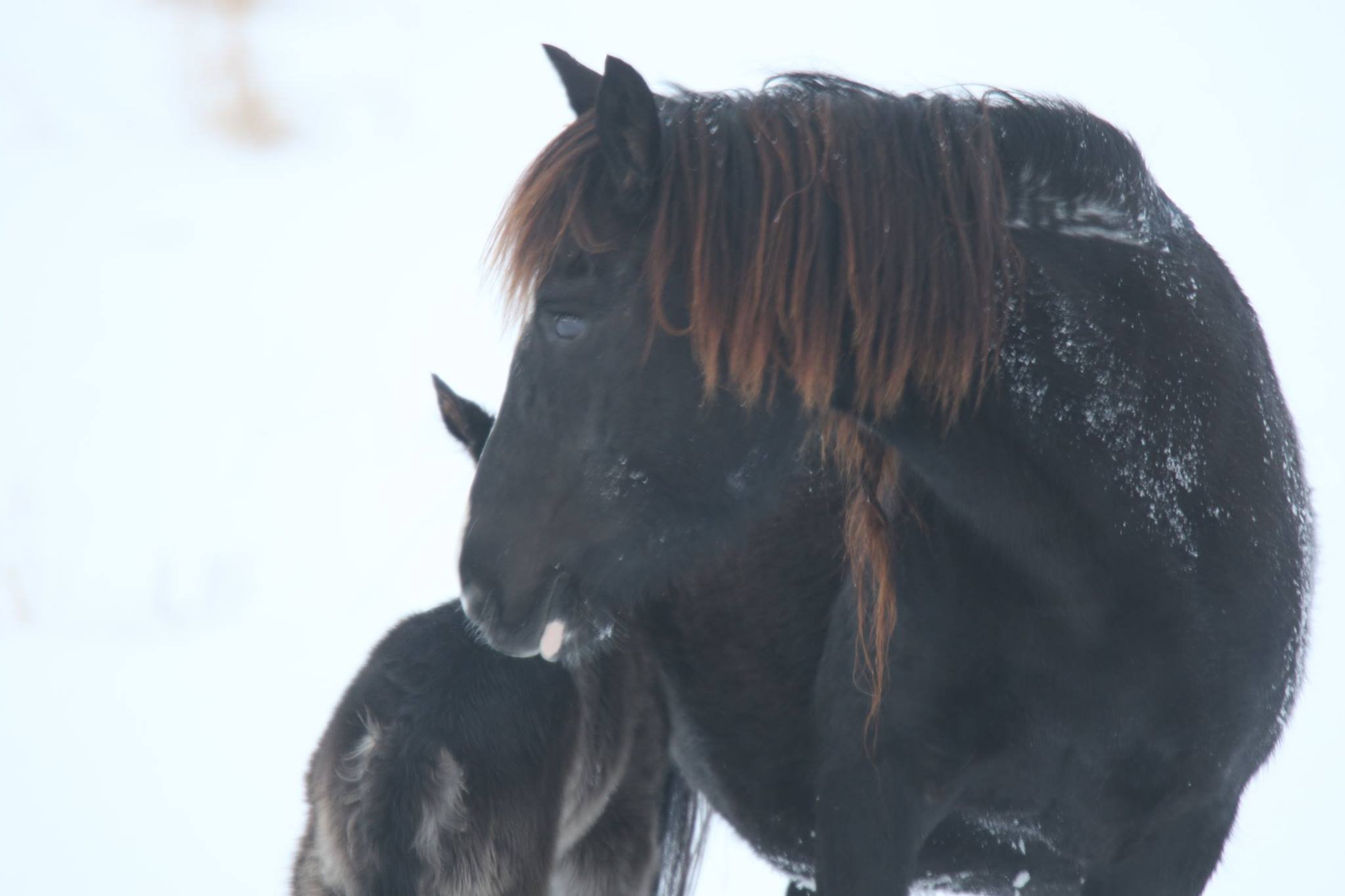
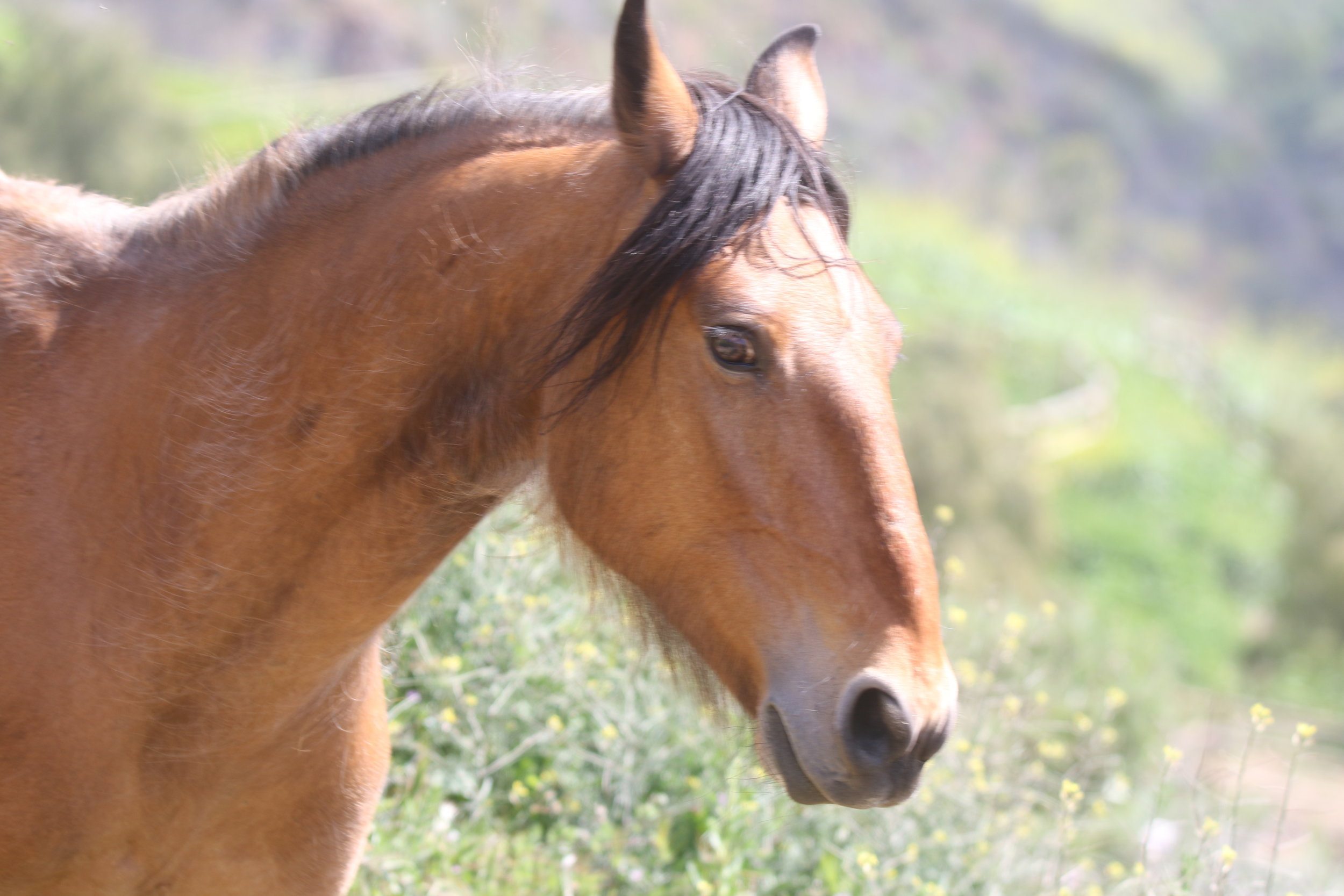
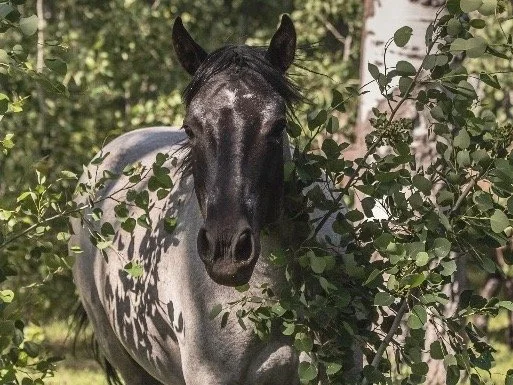
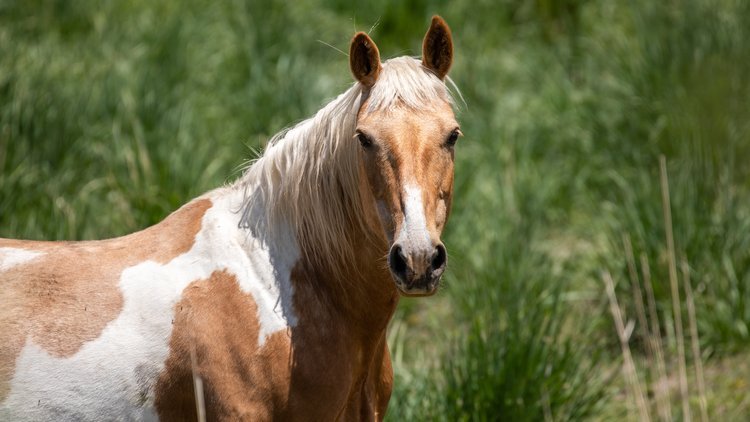
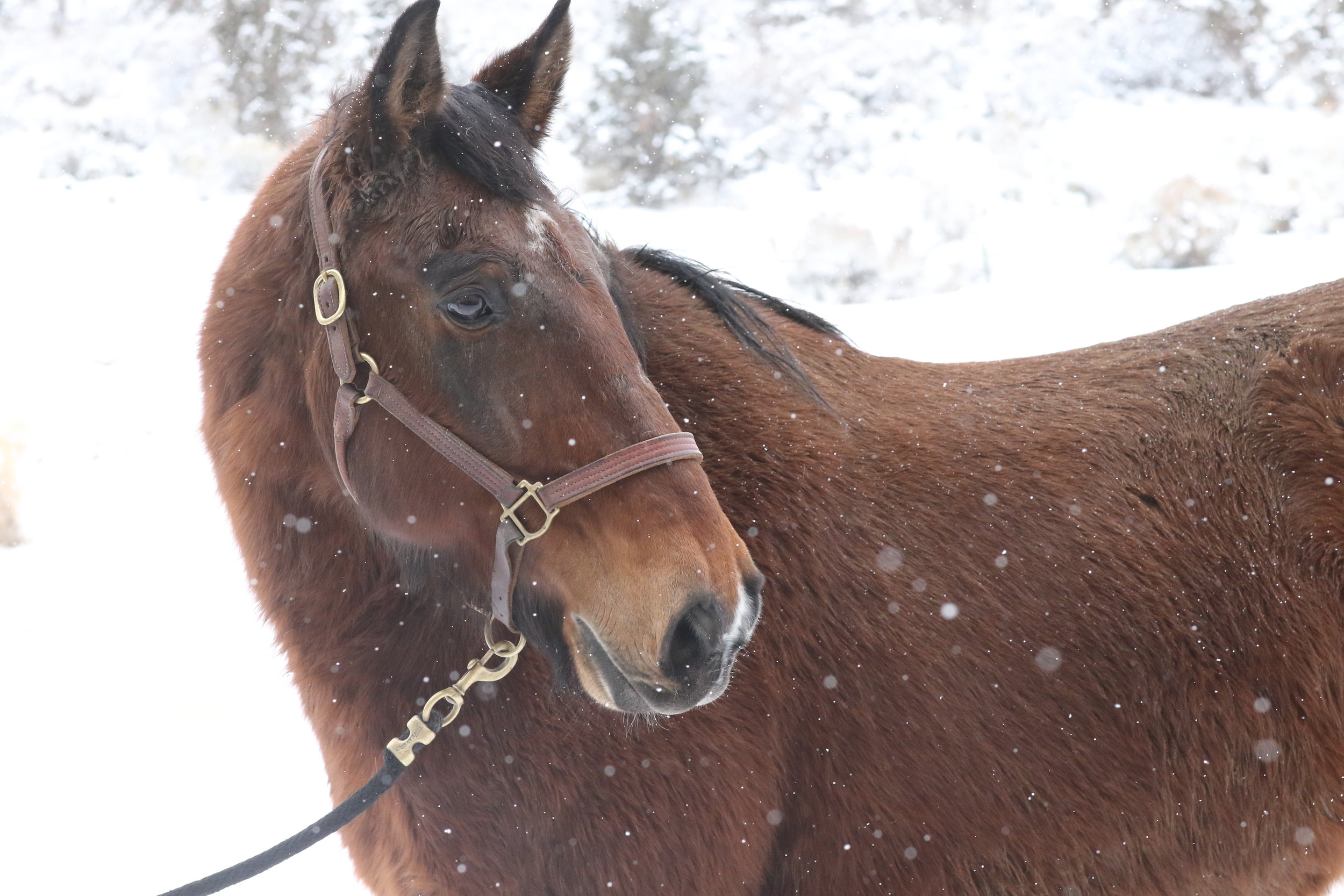
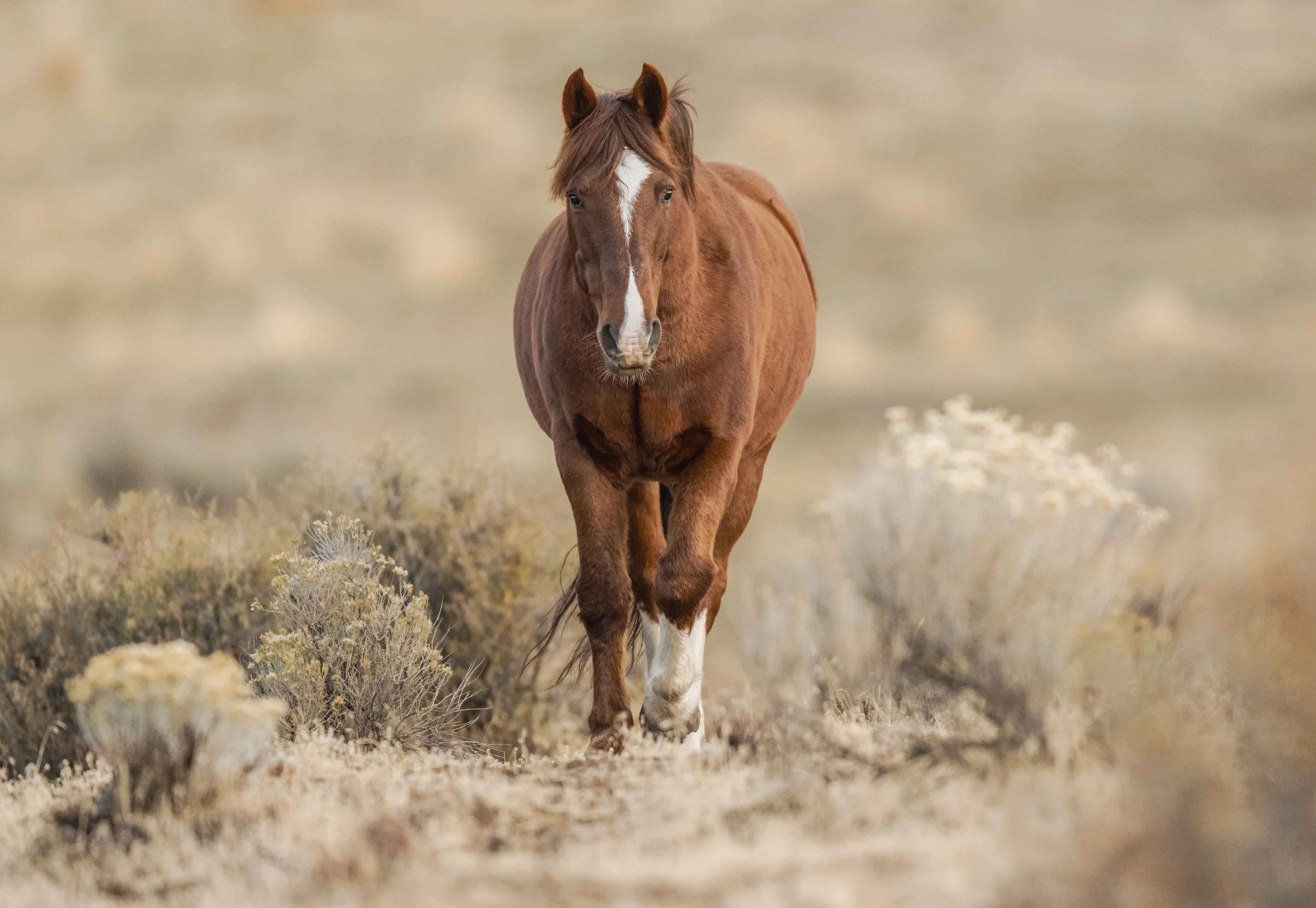
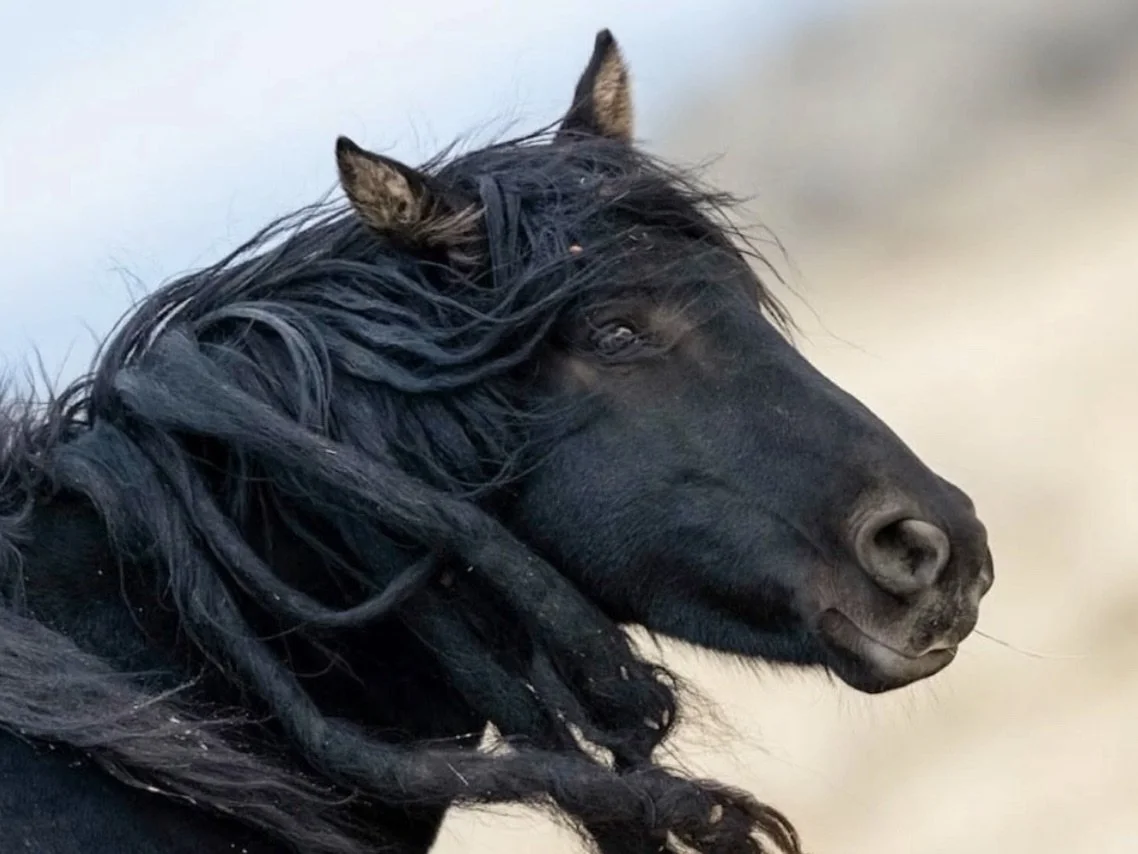
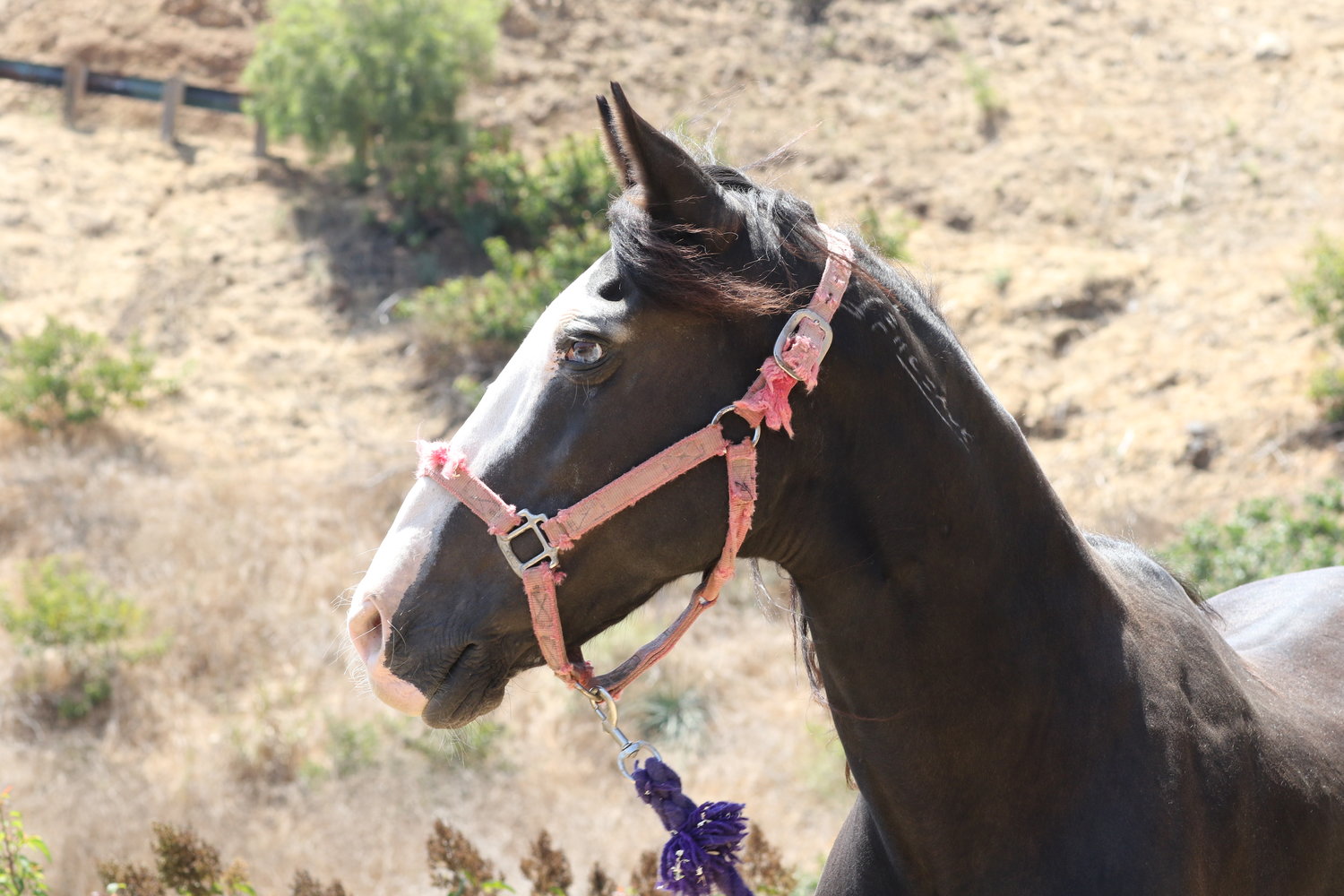
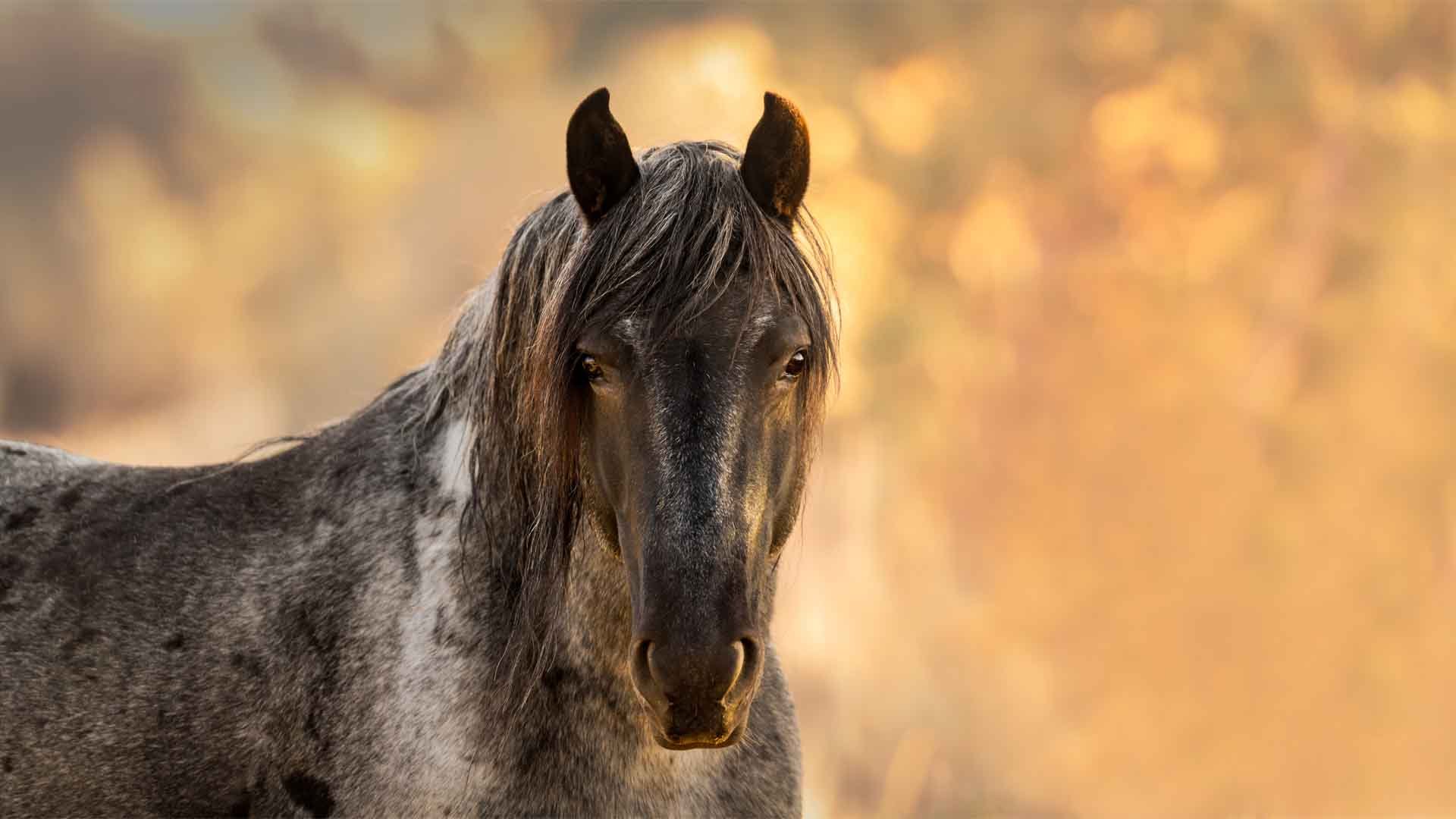
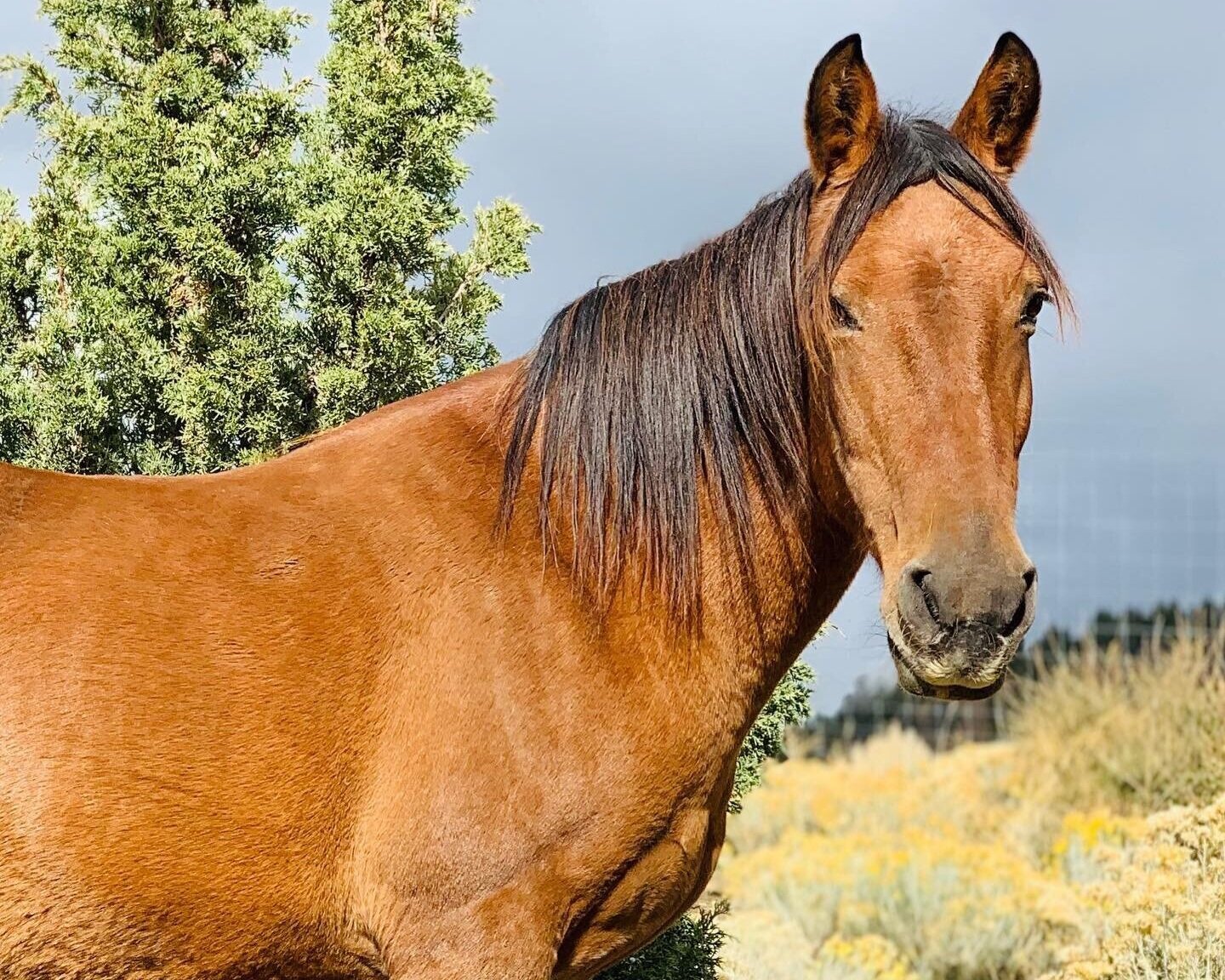
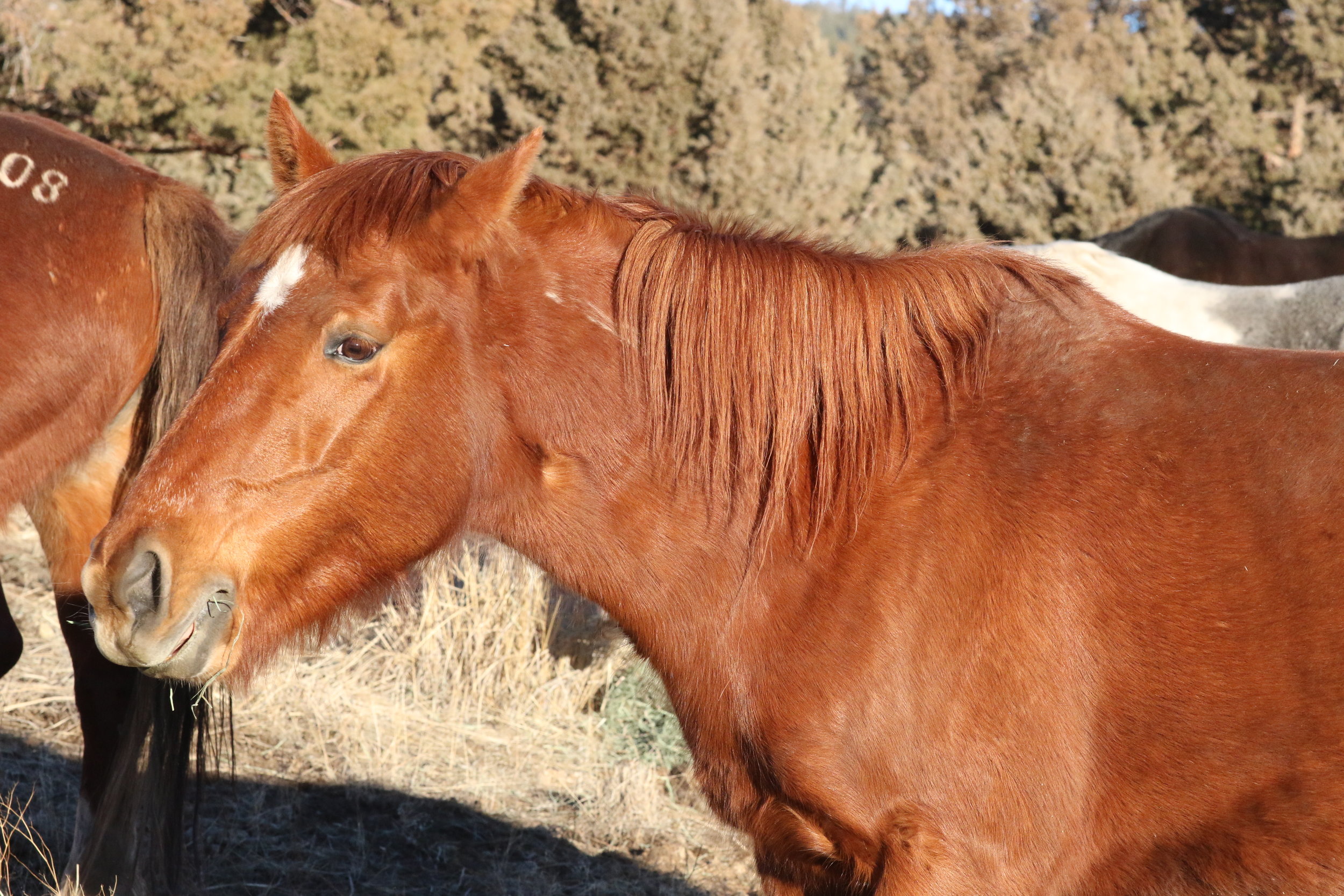
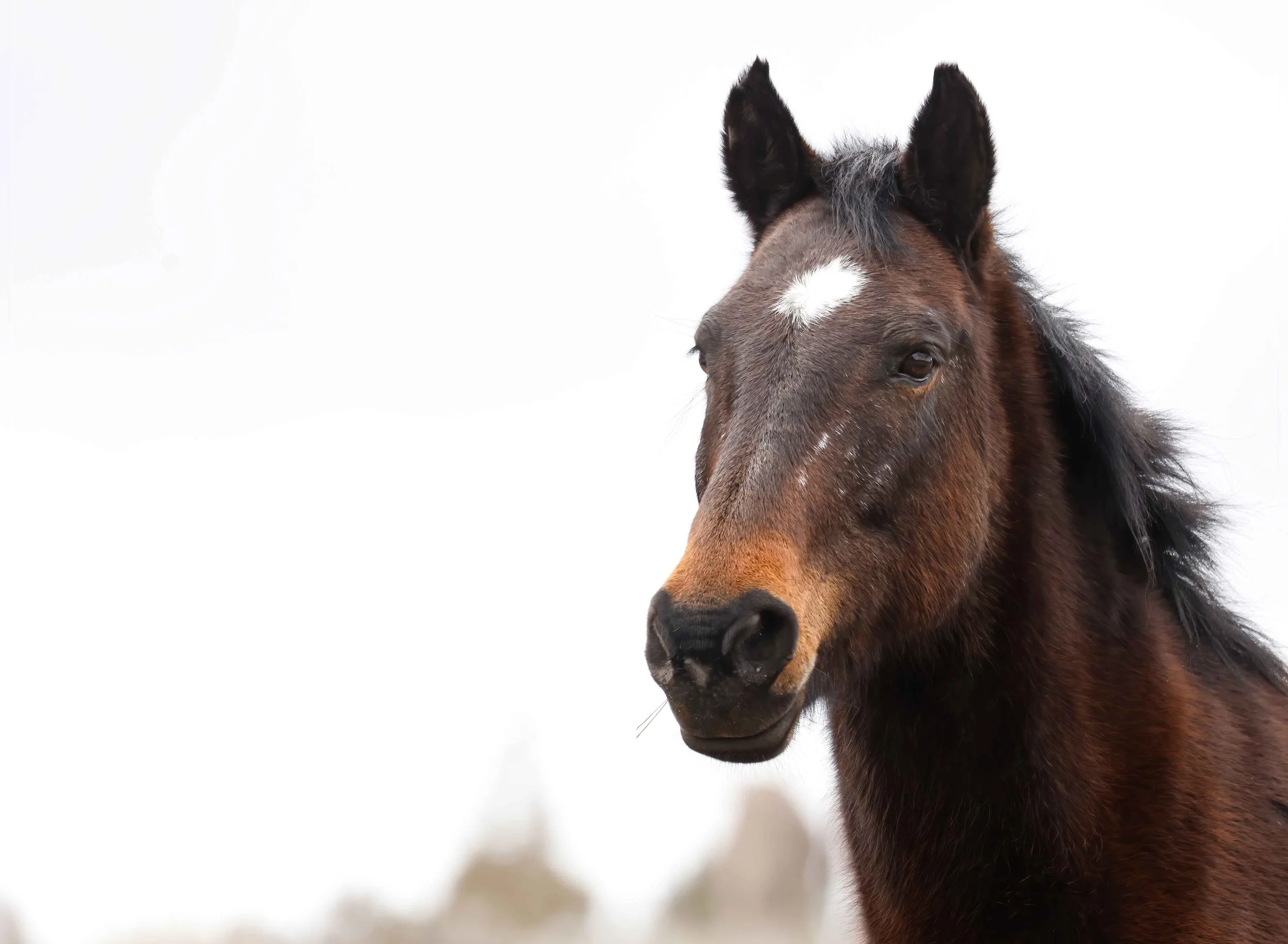
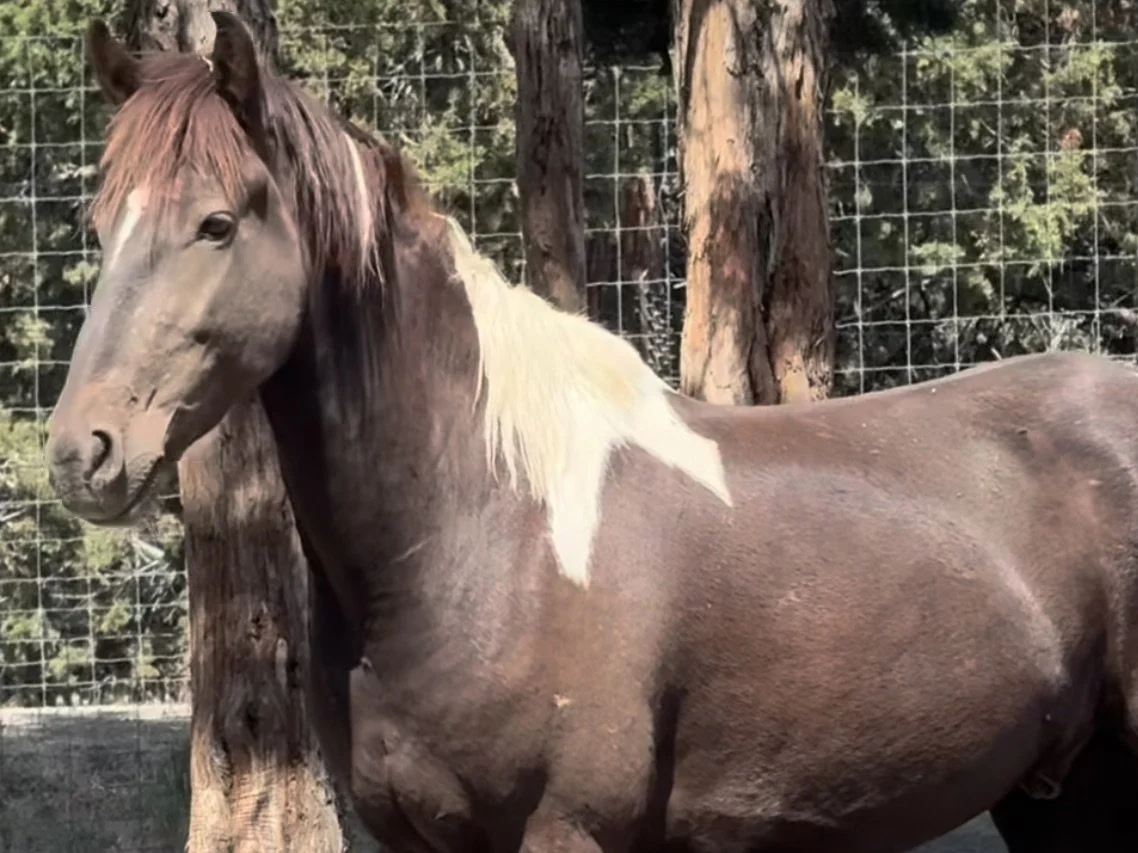
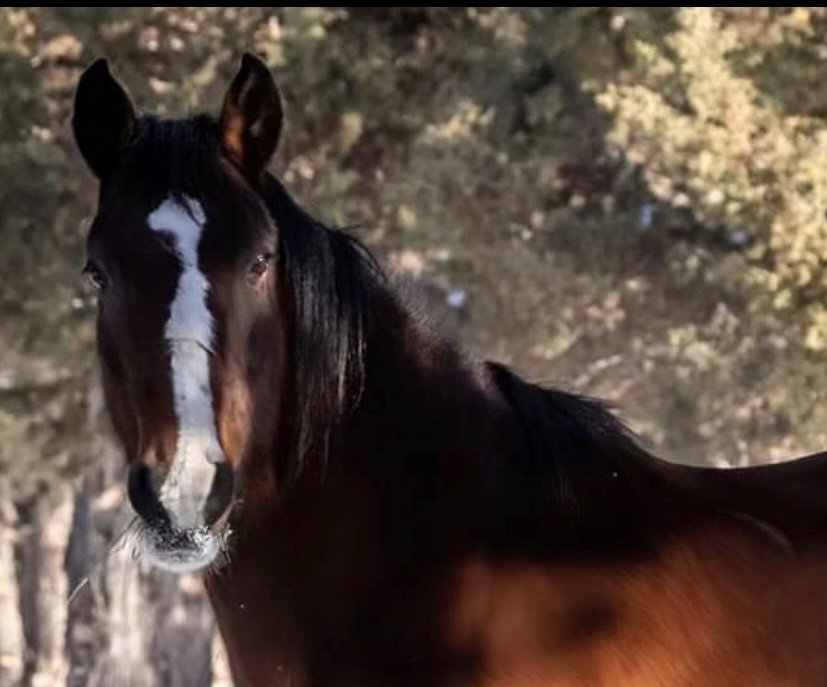
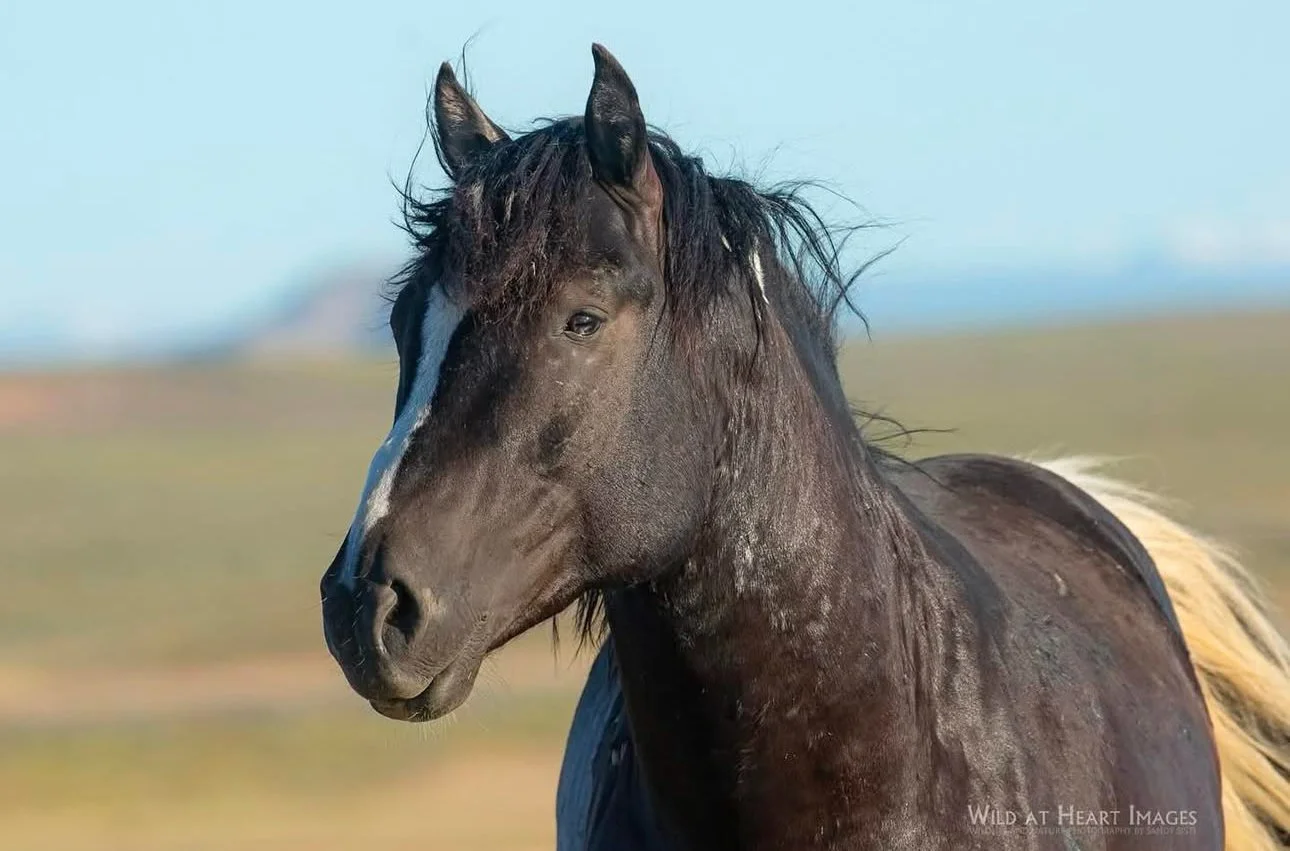
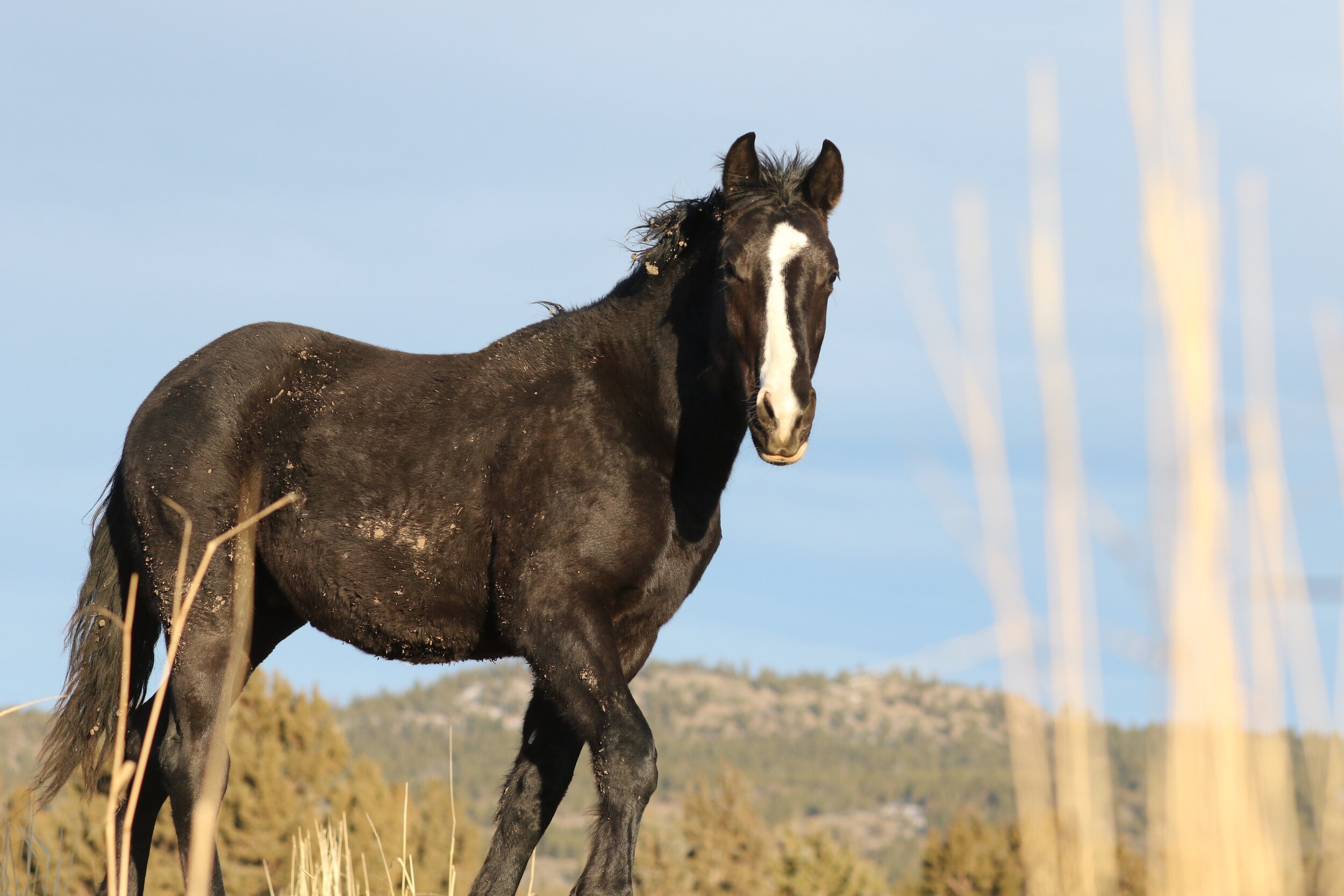
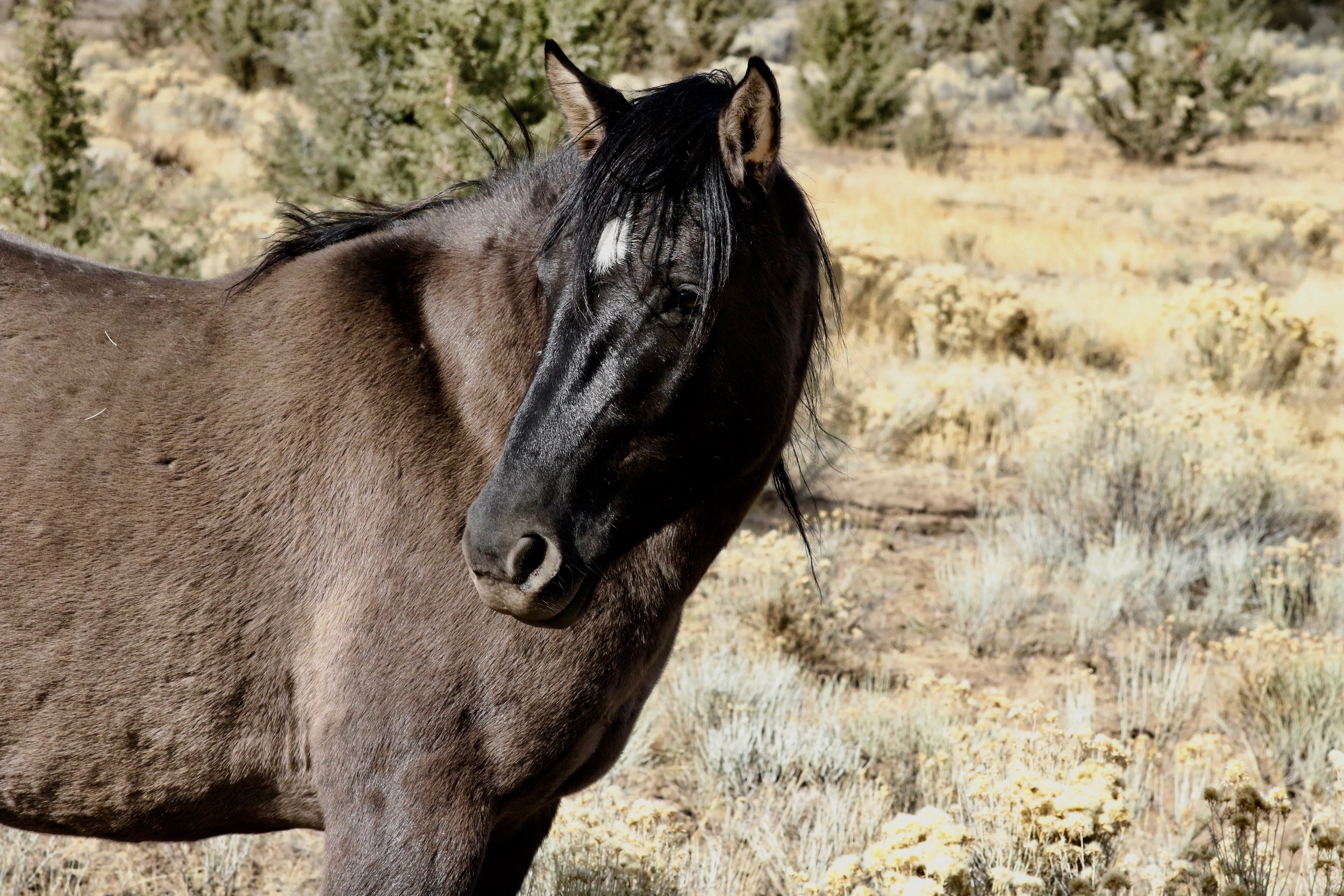
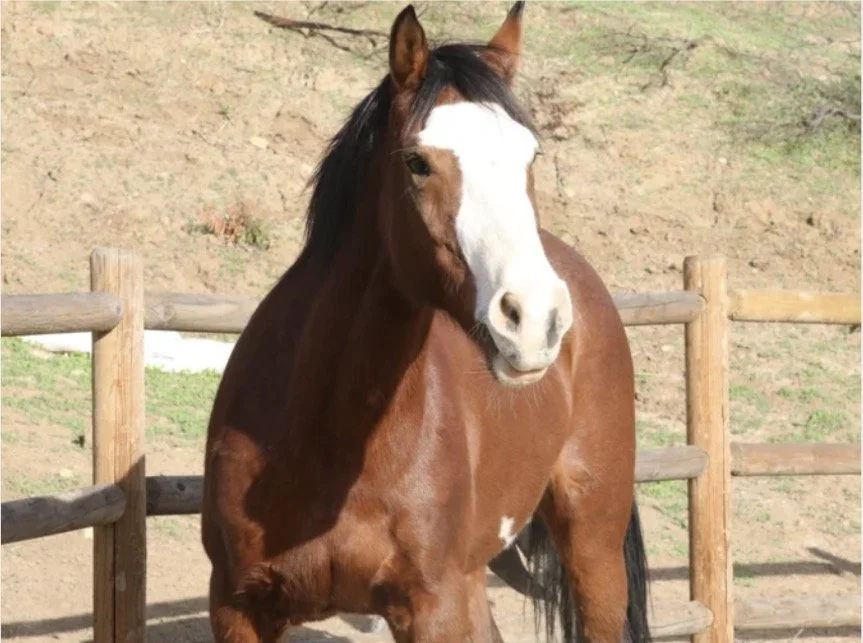
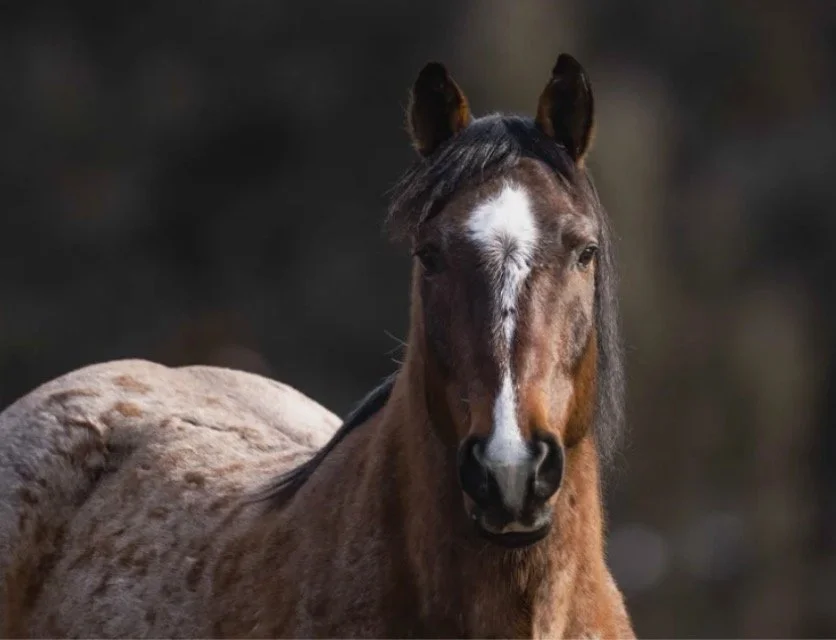
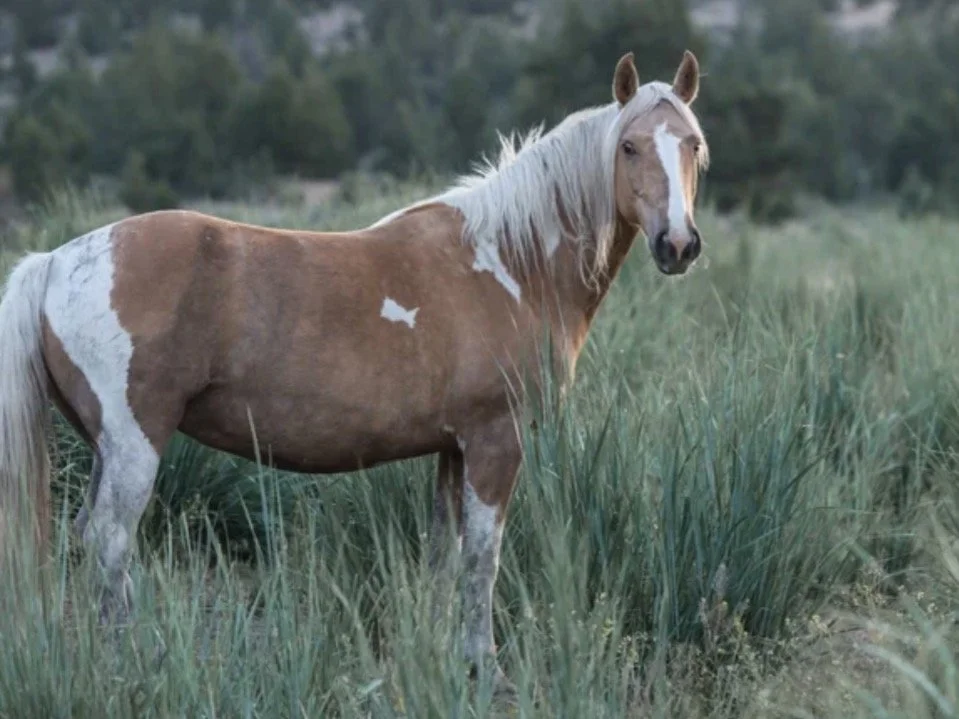
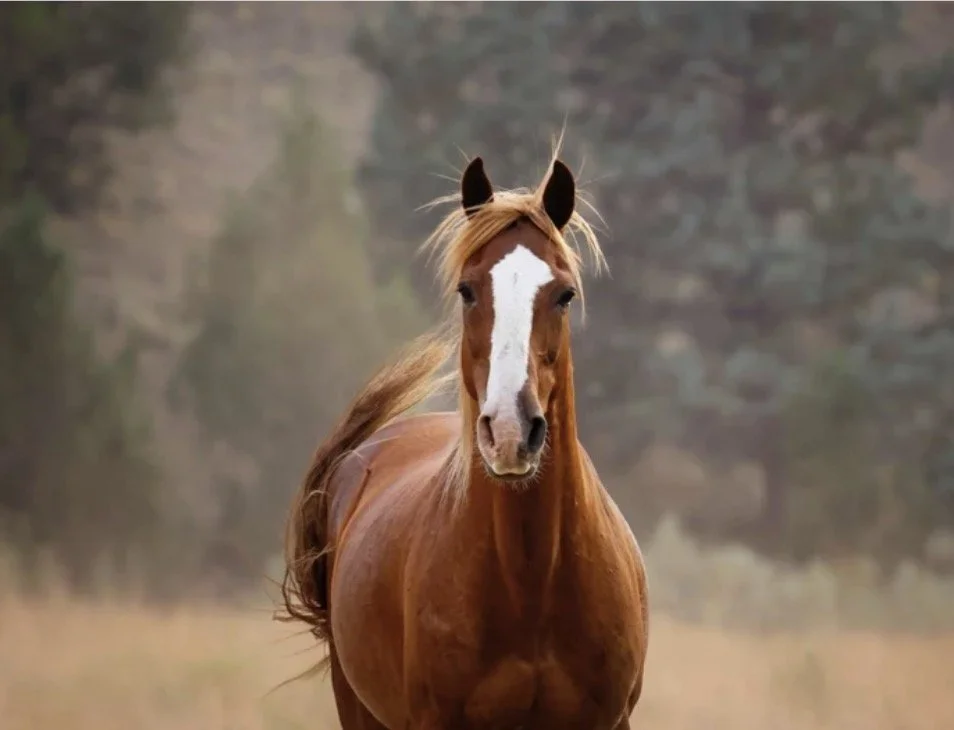
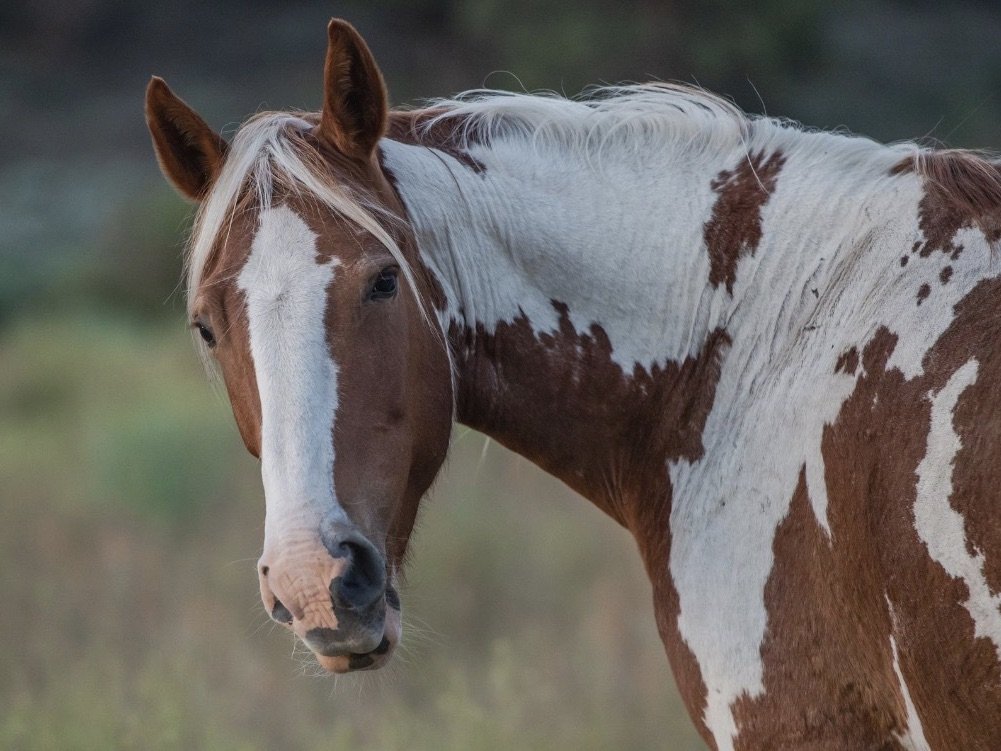
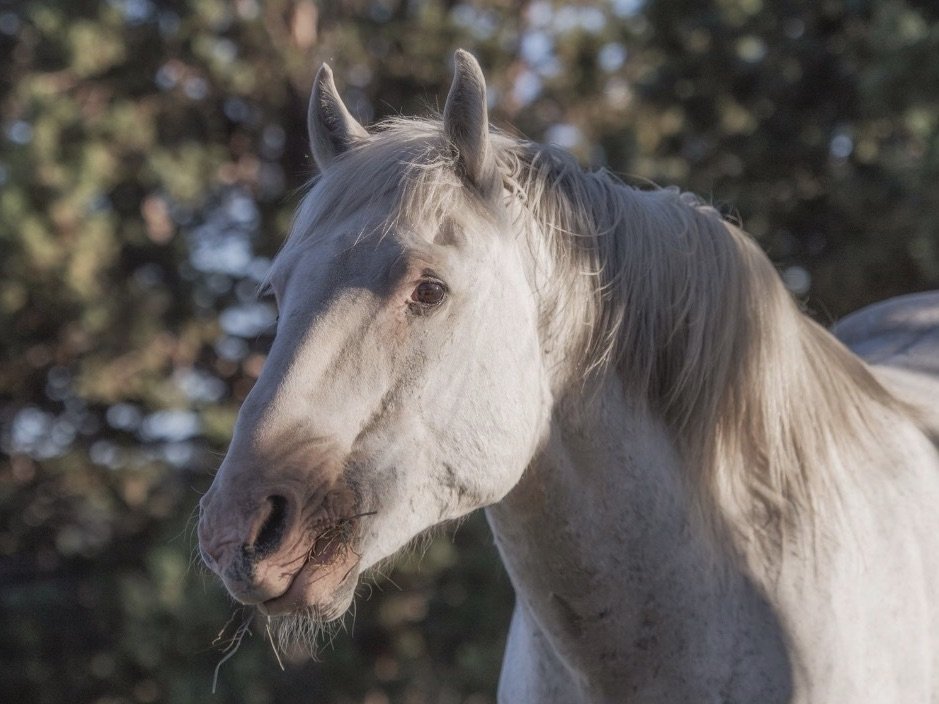
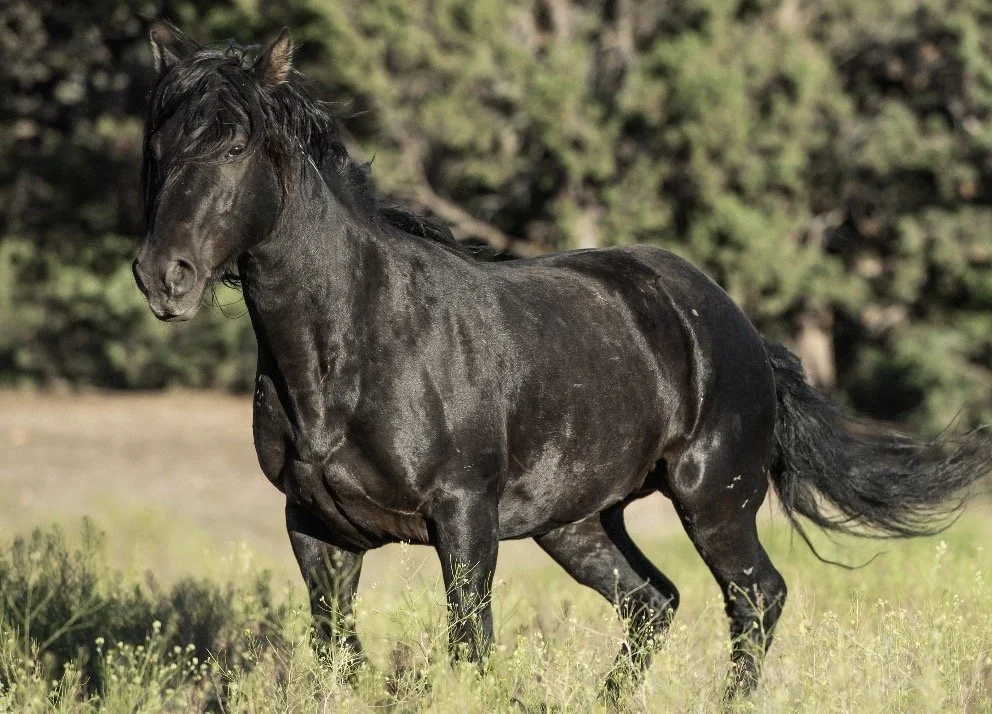
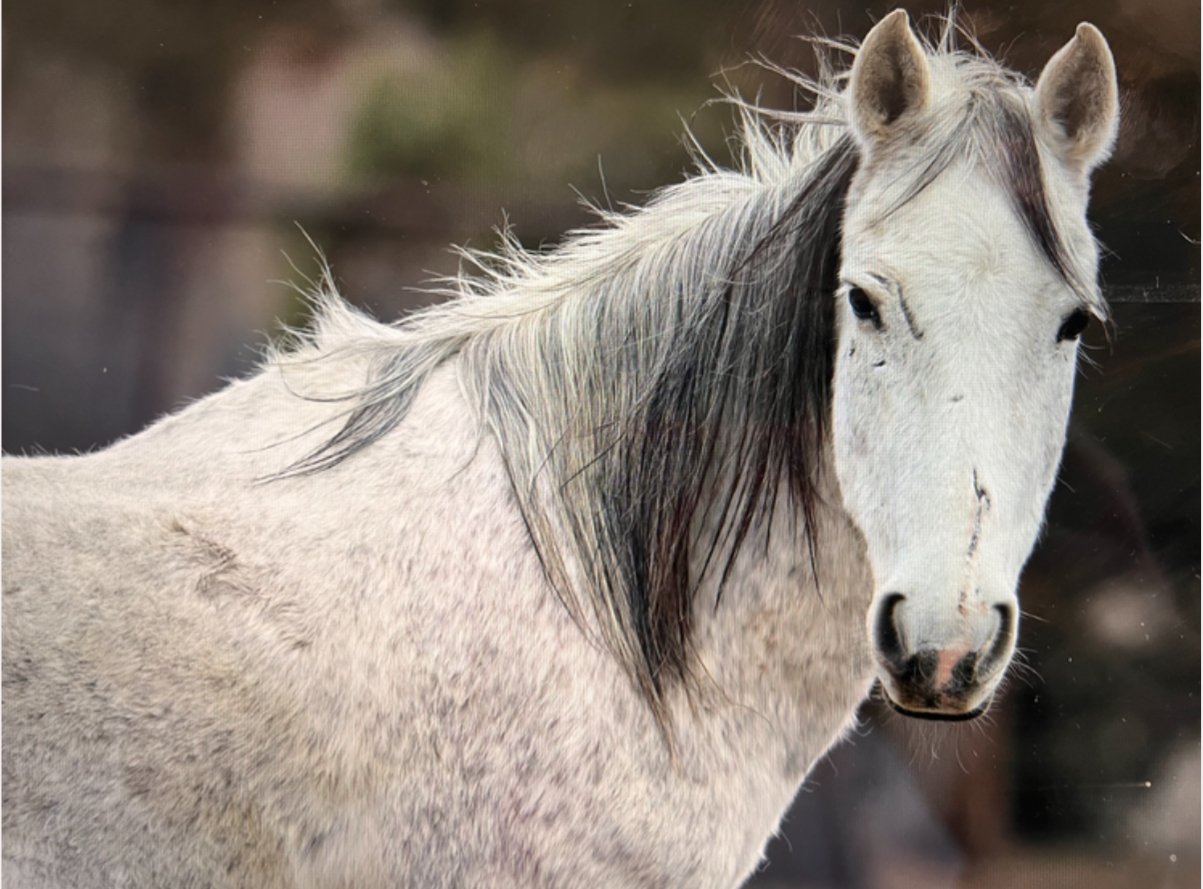
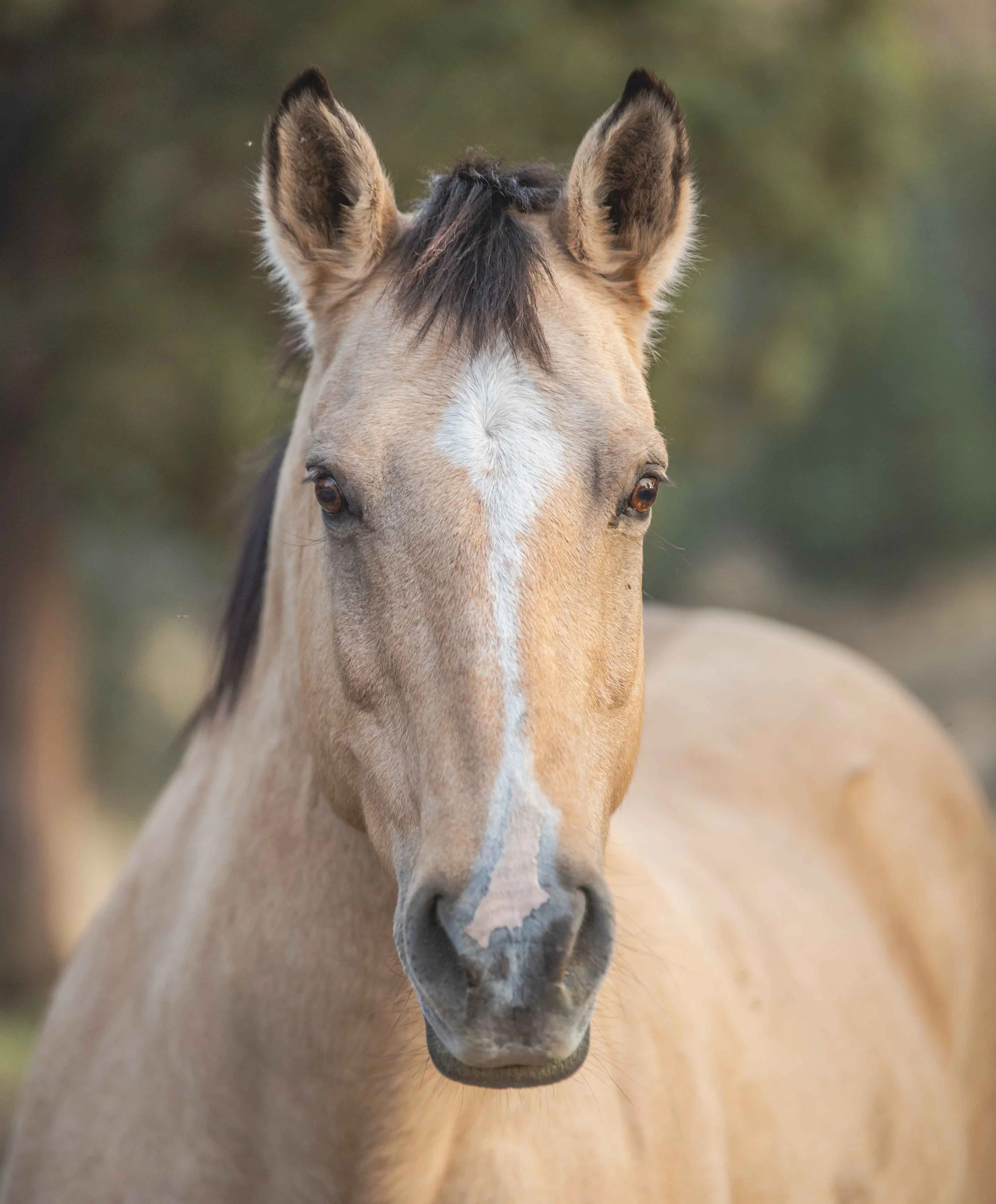
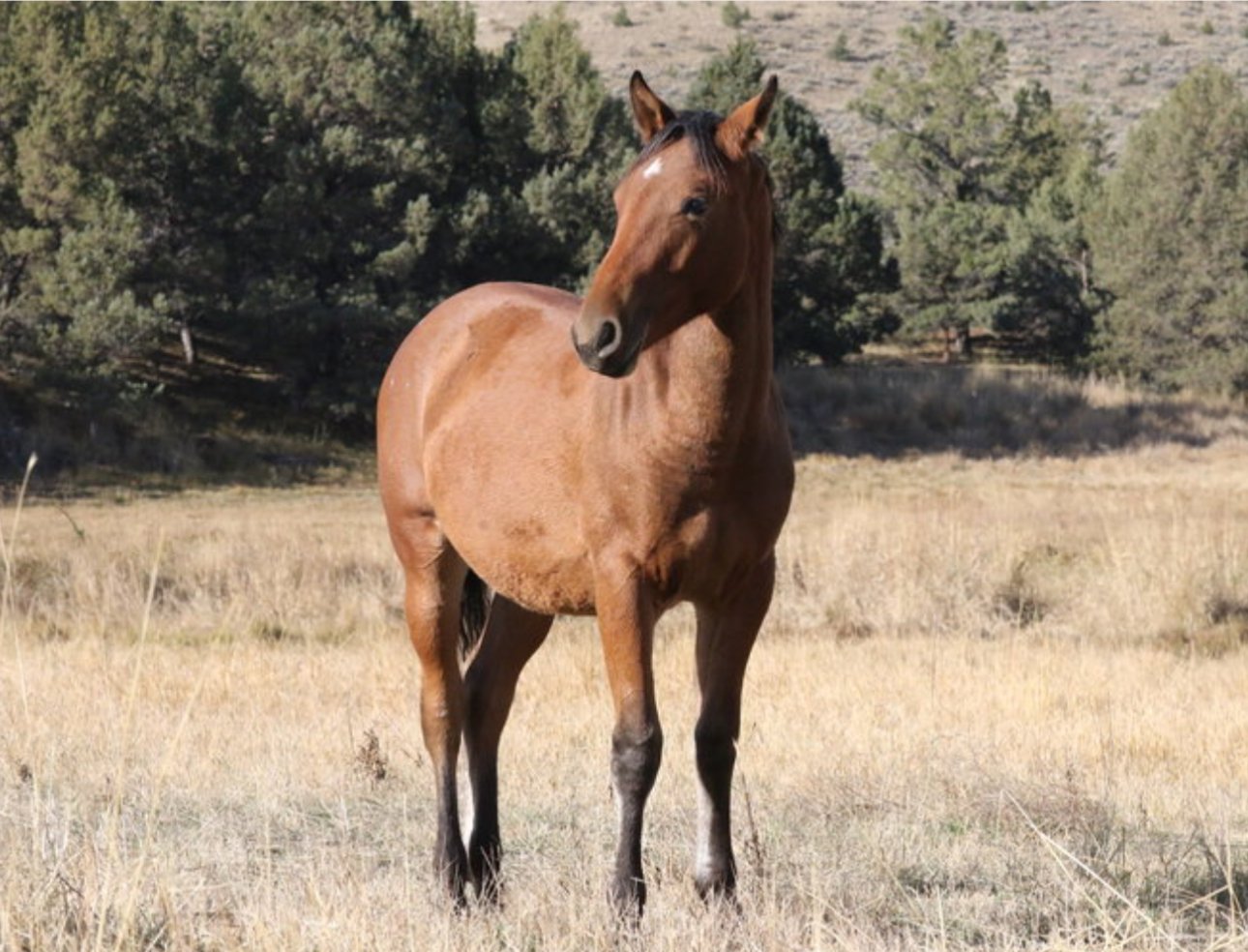
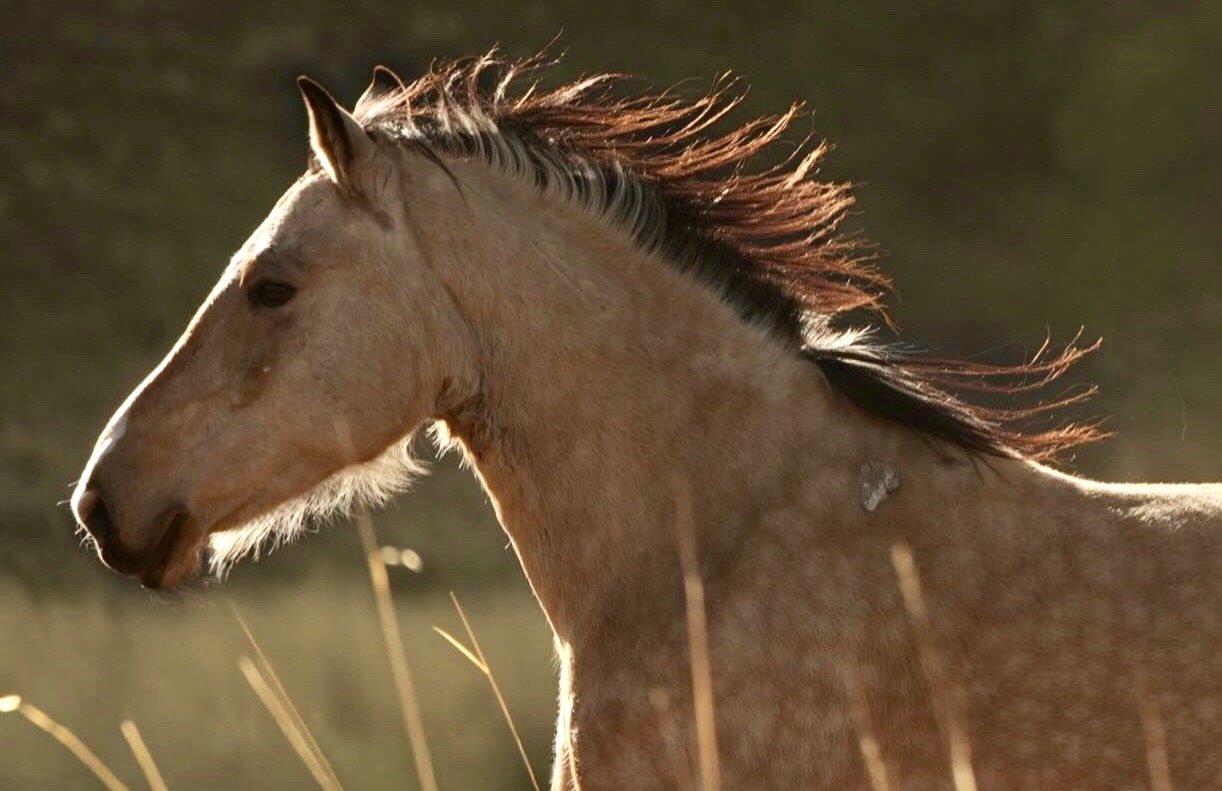
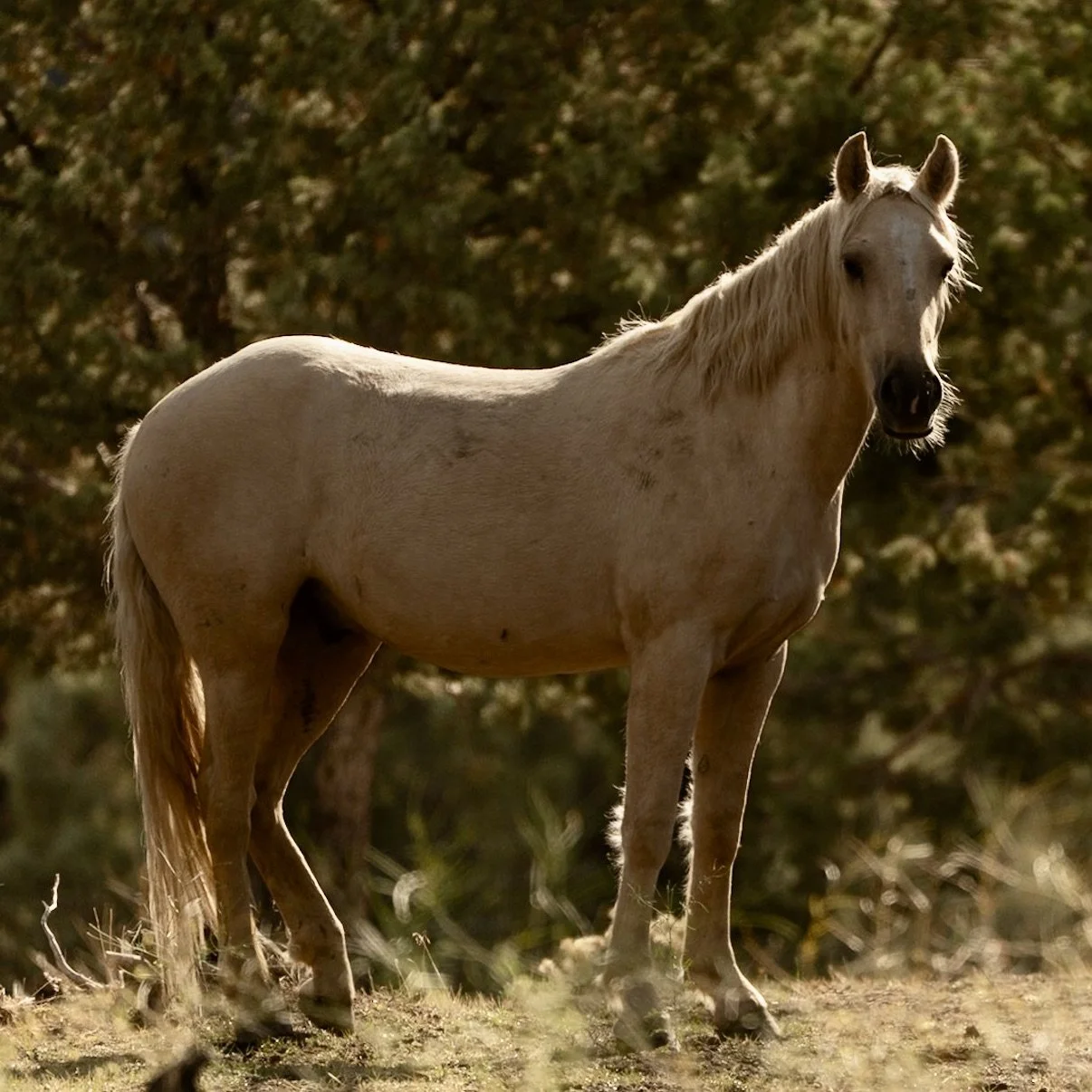
Click on the photos to find out more or read their stories on our Then and Now Page.











































































































RESCUED DONKEYS, MULES, Minis, ZONKEYS & A ZEBRA